Today’s wave of attacks means that power outages hit Ukraine on an unprecedented scale. Russia launched a massive combined missile and drone barrage targeting Ukraine’s energy system, plunging multiple cities into darkness and raising fears of a humanitarian crisis as winter sets in.
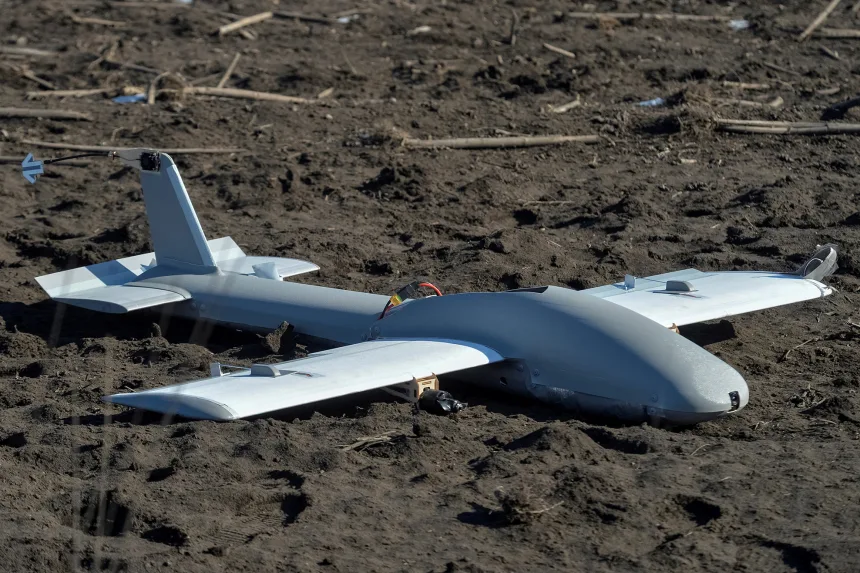
Ukraine’s state-owned energy firm announced that two major thermal power plants, in the Kharkiv and Kyiv regions—were destroyed overnight. Generation at those sites dropped to zero. Russian forces struck with 45 missiles and 458 drones, of which Ukrainian air defenses intercepted 406 drones but only nine missiles.
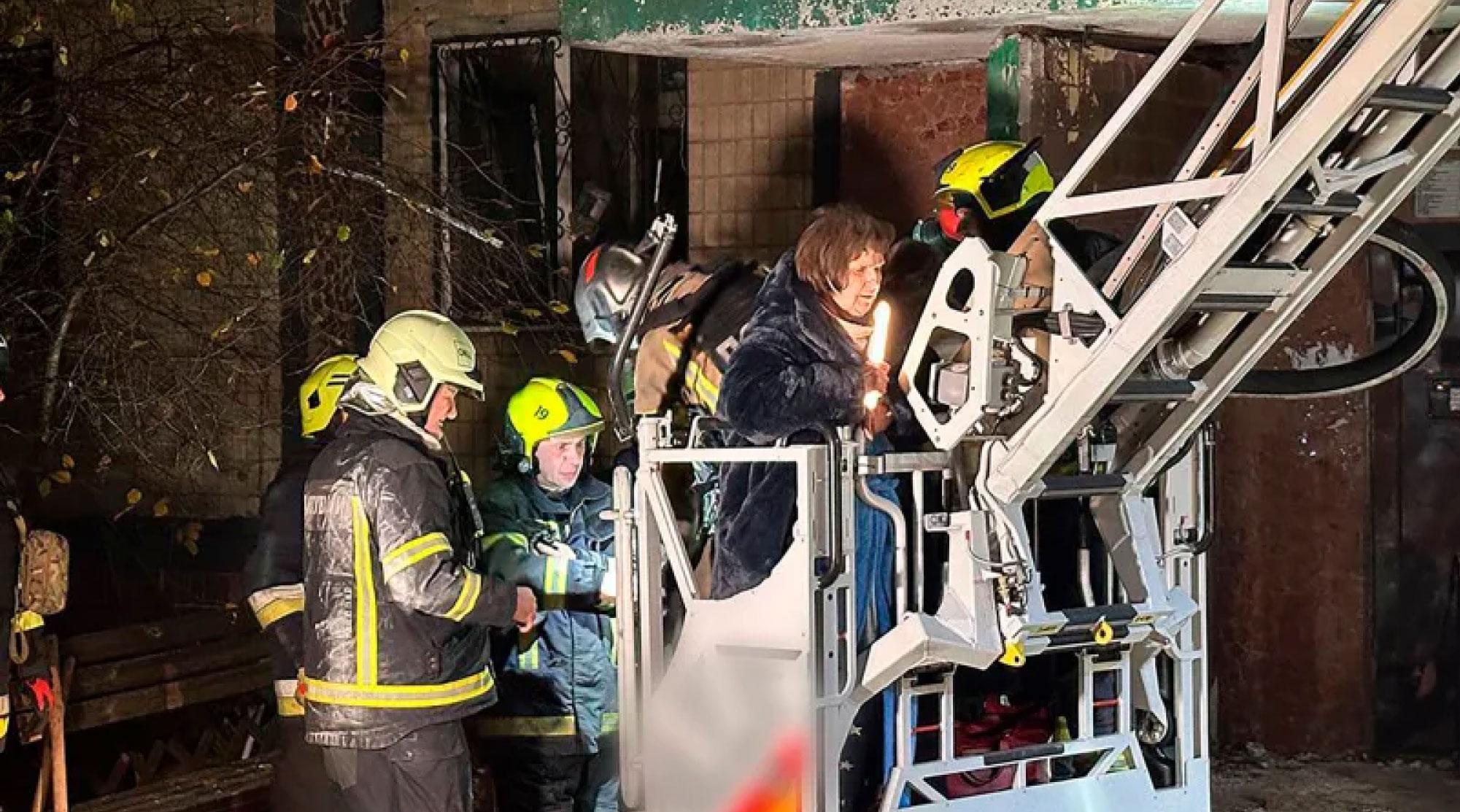
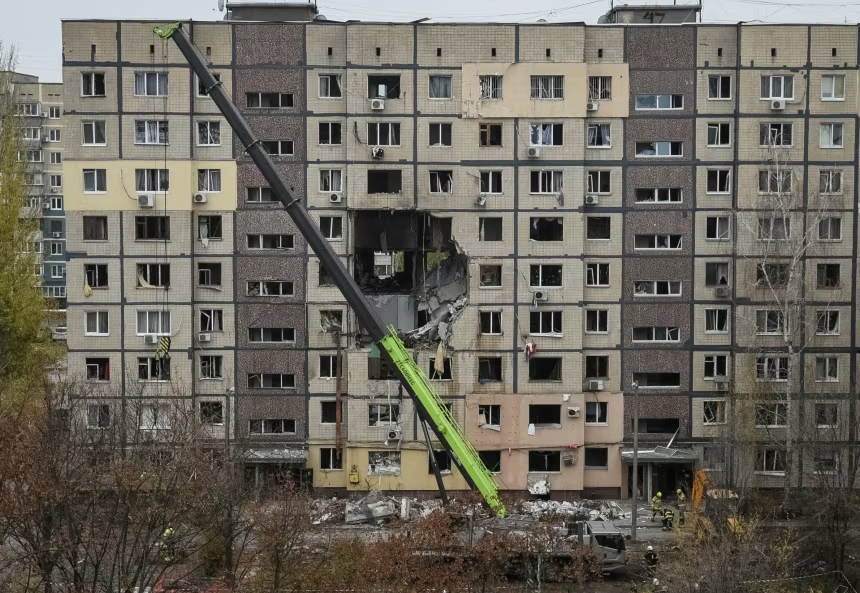
Cities such as Kharkiv, Kremenchuk, Chernihiv and others lost electricity, heating and water supply. In Dnipro a drone hit a high-rise building, killing at least three people and injuring several others. Border traffic was halted when customs databases were knocked out by power failures.
Energy officials warned repair efforts will take time and many regions may endure hours of blackout.
Beyond physical destruction, this attack shows a shift in strategy. Ukraine’s energy infrastructure, power plants, substations, heating networks, is increasingly being treated as part of the military front. The goal isn’t only to hit military forces but to inflict broad civil and economic suffering, especially as the cold season approaches.
When the grid goes down, hospitals rely on generators, water pumping stops, and homes lose heat. Officials say Russia appears to be aiming not only for destruction but for disruption. Ukraine’s largest private energy company reported that attacks of this scale are becoming the new normal.
Despite the devastation, Ukraine is attempting rapid repair. In some areas power was restored hours after the attack. Yet many frontline regions still face outages or emergency shutdowns while crews assess damage. The scale and simultaneity of the strikes have stretched resources and prompted repeated calls to Western partners for advanced air-defence systems.
Officials say the country needs more interceptors and missiles to protect its infrastructure. Meanwhile, civilians brace for a long winter with limited assurance of uninterrupted power.
With power outages hit Ukraine during this attack, the timing couldn’t be worse. Cold weather will test the resilience of both infrastructure and population. Analysts warn that if key plants aren’t brought back online, the humanitarian risks—cold, darkness, loss of water could increase significantly.
The attack also emphasizes Ukraine’s grid vulnerability. Much of the network was not built for sustained conflict and lacks redundancy. Ukraine is expanding renewables and battery storage as part of a longer-term response, but those won’t replace the large plants overnight.
Observers say Russia appears to use infrastructure strikes not only as a means of war but as a form of pressure on civilians and the government.
Today’s brutal assault when power outages hit Ukraine underscores a turning point in the conflict. The war now extends deep into everyday life and civilian infrastructure. While Ukraine’s repair efforts and Western aid provide hope, the coming months will test the country’s endurance. The nation’s ability to keep lights on may become as important as keeping front-line positions.