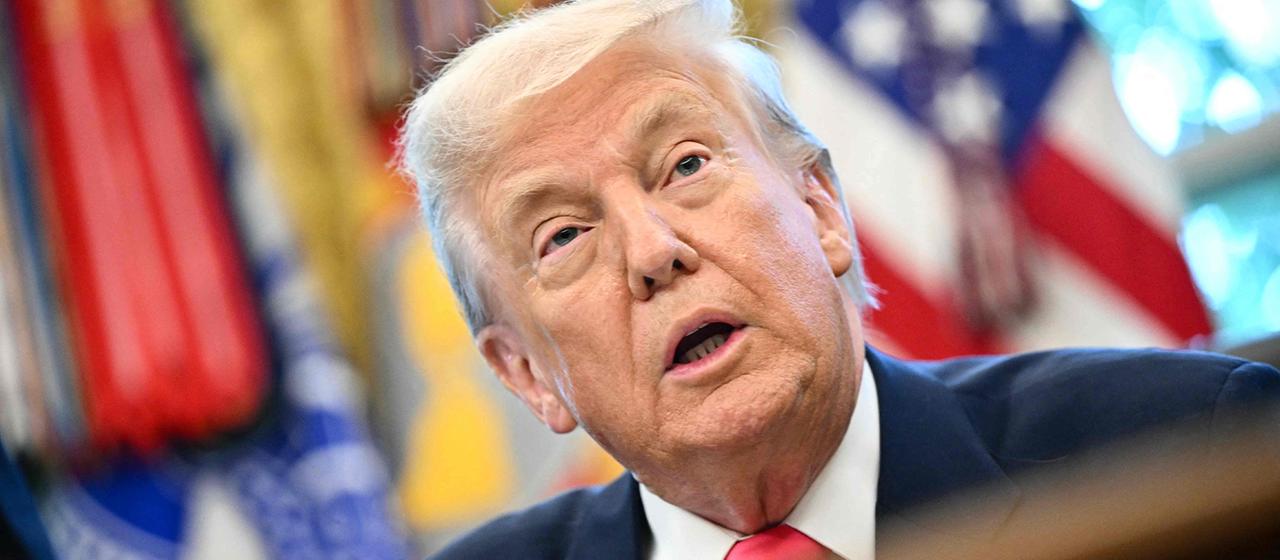
President Donald Trump announced that he has ordered the Pentagon to prepare for possible action in Nigeria, framing the move as a response to what he called mass attacks on Christians there. His message was forceful and public, combining threats of military measures with a warning to Abuja that U S aid would stop unless the Nigerian government acted quickly. To understand the real reason behind this dramatic step, it helps to look at the mix of human rights concerns, political signaling, and strategic calculations that underpin the announcement.
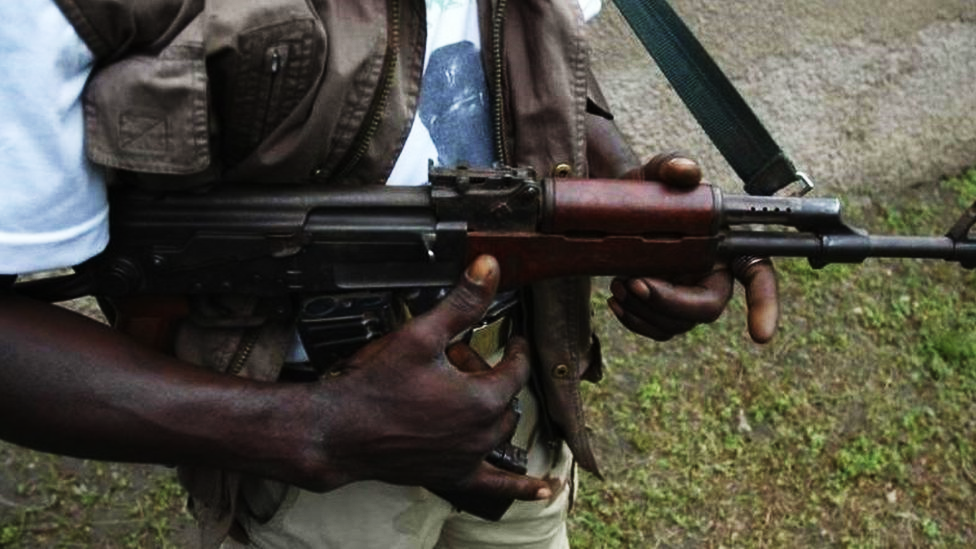
Trump presented the decision as moral outrage. He described widespread killings of Christians and said the United States could no longer ignore the violence. That narrative taps into long-standing reports of attacks on communities across Nigeria, where extremist groups such as Boko Haram and local militants have carried out deadly raids. But the violence in Nigeria is complex. It includes strictly religious attacks, but it also involves criminal banditry, farmer-herder clashes over land and water, and inter communal disputes that sometimes cross religious lines. Local sources point out that many victims are Muslim and that violence affects people of all faiths. Still, the focus on Christian victims draws sharp international attention and applause from some political audiences.


The timing and tone of Trump’s message show other motives as well. He paired the military warning with an immediate threat to cut off U S aid and designated Nigeria as a Country of Particular Concern under religious freedom rules. That designation signals a formal U S finding that systematic abuses may be occurring, and it raises the political stakes for Abuja. By combining punitive labeling, aid suspension, and a public order that the Pentagon prepare plans, Trump appears to be using multiple levers at once: moral framing, diplomatic pressure, and the implicit threat of force. Such a combination is designed to maximize pressure on Nigeria while signaling firmness to domestic supporters who favor decisive action.
Nigeria reacted defensively. President Bola Tinubu and his team rejected the characterization that the country tolerates religious persecution. Tinubu emphasized that Nigeria is working with international partners and that attacks hit communities across the country, including many Muslim victims in the north. His office framed the U S designation as an exaggeration that does not reflect the government’s efforts to protect all citizens. Nigerian spokespeople asked for military support against extremists and warned that outside condemnation alone will not solve deep-rooted security problems.
Washington’s immediate response included high-level public alignment. The Department of Defense did not issue a formal operational statement, but senior U S officials signaled readiness to consider contingency measures. A top U S defense official publicly acknowledged the directive, underscoring how seriously the White House was treating the matter. That public show of agreement between the presidency and the Pentagon serves two purposes. It reassures supporters that the U S remains willing to act to protect persecuted groups, and it puts pressure on Nigeria to demonstrate progress quickly.
Legal and diplomatic realities complicate any move beyond planning. Mounting a military action in another sovereign nation raises major legal questions about authority, justification, and congressional oversight. Any kinetic operation would have to contend with the logistics of reaching targets in a vast country with active local forces and regional sensitivities. It could also inflame anti-American sentiment and destabilize parts of West Africa. Regional partners and international institutions are likely to push for diplomacy and support for Nigeria’s security forces rather than unilateral U S strikes.
There are also domestic calculations in play. Announcing that he has ordered the Pentagon to prepare for possible action in Nigeria allows Trump to project strength to his political base while avoiding immediate military deployment. It is a form of maximal pressure that can be dialed back or intensified depending on diplomatic outcomes. The threat to cut U S aid simultaneously creates tangible incentives for Nigeria to cooperate on security and public messaging. In short, the move is as much about leverage as it is about an imminent military campaign.
Humanitarian concerns remain central. Cutting aid and threatening force will have practical consequences for millions of Nigerians who depend on international assistance for health, education, and food security. Critics argue that halting aid risks punishing the vulnerable rather than the perpetrators of violence. Advocates for intervention warn that doing nothing will allow extremist groups to expand and further erode local governance.
In the coming days, both capitals will face choices. Nigeria can engage in transparent, measurable steps to protect civilians and open cooperation with international partners. The U S can press for accountability while prioritizing diplomatic tools and capacity-building support. If relations deteriorate, the rhetoric that Trump used may harden into policy measures with real strategic consequences.
For now, the announcement that the president ordered the Pentagon to prepare for possible action in Nigeria stands as a clear signal of U S concern and a test of how far public pressure, diplomatic designation, and the threat of force can change behavior in a complex security environment. The path ahead will require careful diplomacy to avoid escalating conflict while addressing the real and urgent suffering of communities across Nigeria.