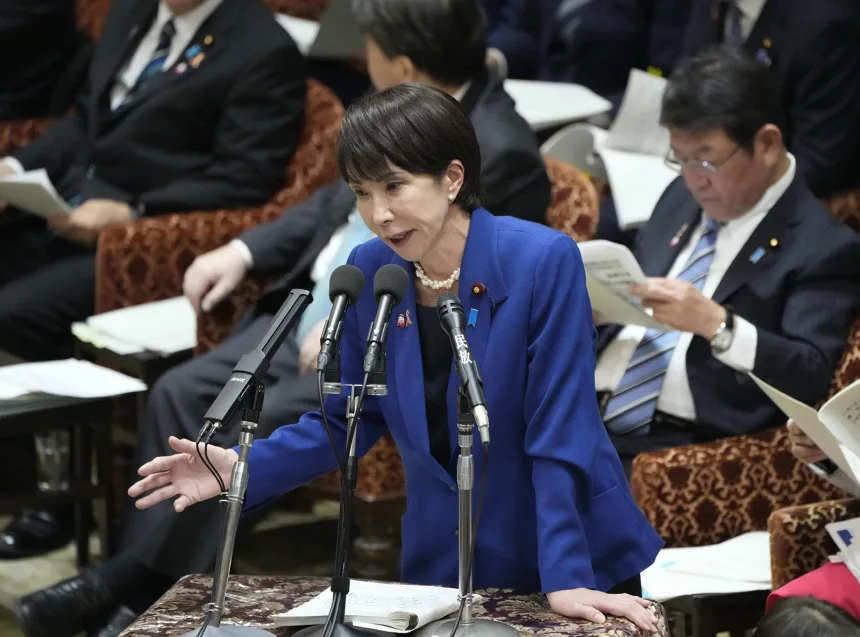
Japan’s new prime minister, Sanae Takaichi, has set off a diplomatic firestorm in Beijing, and the core of the dispute is simple: Takaichi suggested a Chinese attack on Taiwan could become a “survival-threatening situation” for Japan, potentially justifying military action. That comment has crystallized broader anxieties in China and triggered what many observers call the China fury toward Japan’s Takaichi.
Takaichi’s off-the-cuff remark in parliament broke with Tokyo’s recent practice of strategic ambiguity on Taiwan and made explicit a scenario in which Tokyo might use force to defend an island Beijing considers its own. For China, that was more than a policy nuance; it was a signal that Japan’s posture may be hardening in ways Beijing views as directly hostile. The comment provoked a swift diplomatic protest and demands for retraction.
Beijing did not simply lodge a formal complaint. Chinese officials summoned Japan’s ambassador, denounced the remarks as reminiscent of past Japanese militarism, and warned of “consequences” if Tokyo did not step back. State media framed Takaichi as a revival of dangerous nationalist trends, and Chinese authorities moved to punish Japan economically and symbolically, signaling that rhetoric alone could have business costs.
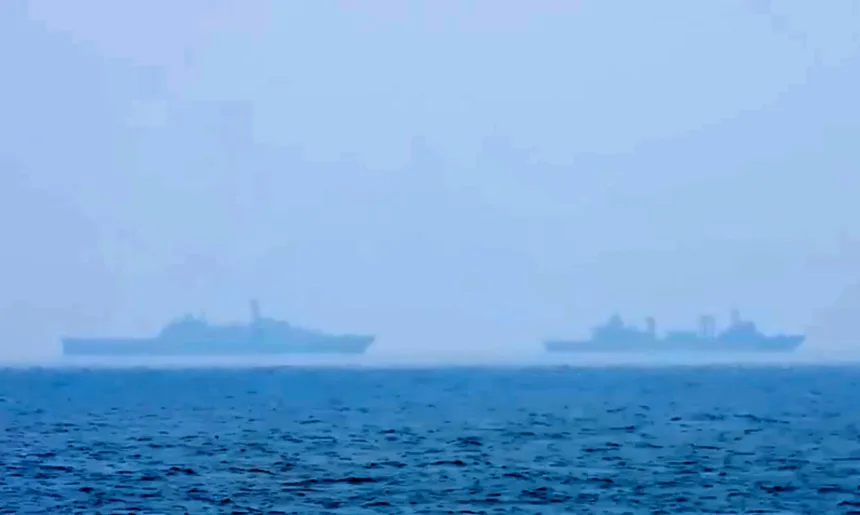
The row has not stayed purely rhetorical. Chinese coast guard ships and drones have been deployed near the contested Senkaku islands, reinforcing Beijing’s willingness to use maritime pressure in response to political provocation. Meanwhile, Beijing has used softer levers too: travel advisories, restrictions on cultural exchanges, and steps that could dent tourism and university enrollments from China to Japan. Those measures make clear that Beijing sees leverage beyond the Foreign Ministry statement.

Takaichi’s comments hit raw nerves in China for three interlocking reasons. First, historical memory: any hint of Japanese military confidence reverberates because of 20th century aggression in China. Second, great power competition: China is modernizing its military and sees allies’ statements about Taiwan as part of a broader containment strategy. Third, domestic politics: hardline language in Tokyo boosts political standing at home while provoking nationalist sentiment in Beijing. Together, those factors explain why a single parliamentary remark could blow up into a broader diplomatic crisis.
Tokyo faces a narrow path. Retracting a statement risks domestic political backlash for appearing weak, while doubling down risks deeper economic pain and military escalation. Diplomats now have to manage practical fallout from safeguarding Japanese citizens in China to keeping supply chains moving while military planners on both sides watch for dangerous miscalculations. Analysts warn that small missteps could create an escalation feedback loop that neither side wants.
The episode shows why language matters in East Asia. The China fury toward Japan’s Takaichi is not just about one sentence in parliament; it exposes fragile balances of history, security, and economic interdependence. Unless cooler heads and careful diplomacy prevail, what began as a candid remark could leave a longer shadow over regional stability and economic ties.