The World Health Organization (WHO) has confirmed that 31 people have died from Ebola in the Democratic Republic of the Congo (DRC) this month, marking the country’s first outbreak of the disease in three years. Since the outbreak was declared earlier this month, 48 confirmed and probable cases have been reported, according to WHO Director-General Tedros Adhanom Ghebreyesus.

The outbreak was first identified near the town of Bulape in Kasai Province. The disease has since spread to four districts, up from two, as reported by the Africa Centers for Disease Control and Prevention. In response, WHO and its partners have delivered over 14 tons of essential medical equipment and supplies to support the DRC government’s efforts to control the outbreak.
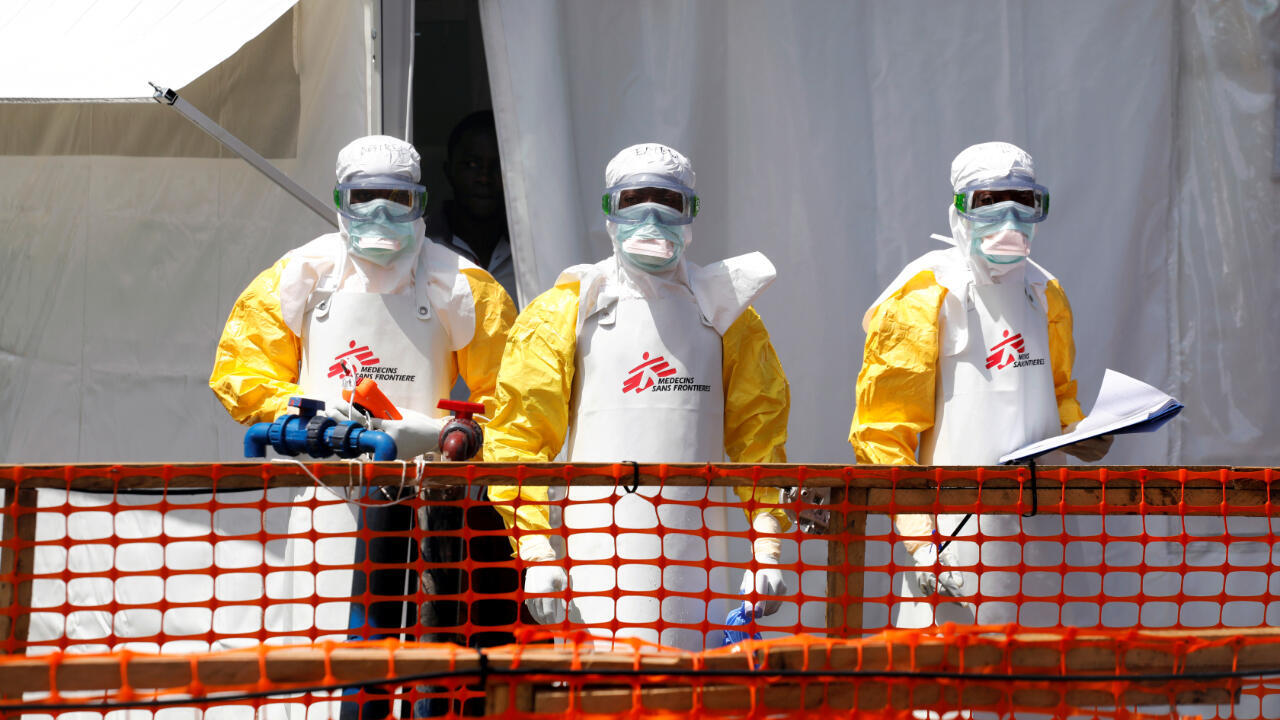
An Ebola treatment centre with 18 beds has been established in Bulape, currently treating 16 patients. Additionally, monoclonal antibody therapy (Mab114) has been administered to 14 patients, and vaccination efforts are underway for contacts, possible contacts, and frontline workers. More than 900 contacts have been identified and are being monitored by health authorities.
Ebola is a viral hemorrhagic fever transmitted through direct contact with bodily fluids of infected individuals or contaminated surfaces. Symptoms include fever, fatigue, muscle pain, headache, sore throat, vomiting, diarrhoea, rash, and in some cases, internal and external bleeding. The dense tropical forests of the DRC serve as a natural reservoir for the Ebola virus, which can lead to body aches, diarrhoea, fever, and impaired kidney and liver function. It can persist in survivors’ bodies, sometimes re-emerging years later
The WHO continues to support the DRC in its efforts to contain the outbreak, emphasizing the importance of community engagement and adherence to safety protocols to prevent further spread of the virus.