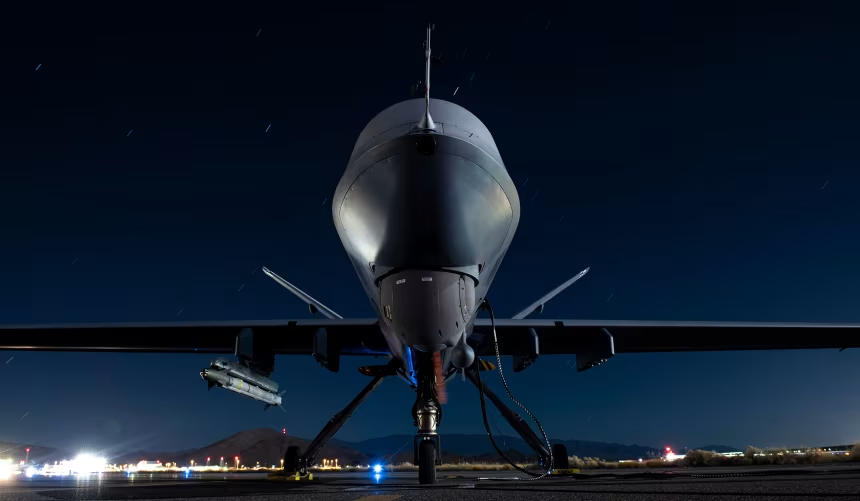
When you hear about the US military taking action against drug-smuggling vessels, you seldom picture stealth drones and gunships in the mix. In fact, an insider’s look at what the US military is using to strike alleged drug boats reveals a sophisticated blend of platforms: armed drones, AC-130J gunships and fighter jets. The effort is part of a broader push to curb narcotics flows but it raises serious questions about oversight, cost and legality.
At the heart of the campaign are the MQ-9 Reaper drones, which have become the workhorse of US remote strikes. These systems can loiter for hours and launch AGM-114 Hellfire missiles. Sources say the military has deployed several Reapers from bases in Puerto Rico to monitor and, when authorised, strike vessels suspected of carrying drugs.
Alongside the drones, manned aircraft are actively involved. The AC-130J gunship—typically outfitted with heavy-calibre cannons and precision munitions—is reportedly operating from forward-positioned bases. Fighter jets have also been spotted in the Caribbean strategic theatre.
Added to this mix is a revived naval logistics footprint. One former US base in Puerto Rico, previously shut down, is now operational again, giving the US military a staging ground closer to smuggling routes. Another forward facility in El Salvador is being used to support operations in the Pacific and Caribbean.
The selection of hardware says a lot about strategy. The MQ-9 Reaper allows near-real-time surveillance and pinpoint strikes, which suits maritime interdiction where timing is critical. The AC-130J brings heavier firepower—useful when the target is fast-moving, armed or in international waters where interception may not be possible.
Deploying from bases in Puerto Rico and Central America expands range and reduces response time. It shifts the campaign from reactive to proactive, with the aim of disrupting shipments before they reach the US mainland.
All this aligns with the broader policy shift: the military is being used not just for intelligence and capture, but for lethal action in drug-trafficking corridors. The figures are notable: multiple strikes since early September, over 70 people killed, and at least 20 vessels destroyed. Many of them were struck in the eastern Pacific Ocean.
Using advanced systems has a cost. A Hellfire missile runs near USD 150,000. An MQ-9 drone flight hour is estimated at USD 3,500. Fighter jets and gunships run tens of thousands per hour. When you factor in logistics, personnel, and forward‐base support, the campaign demands significant resources.
Legally, the campaign raises thorny issues. Military strikes in international waters, targeting vessels suspected of trafficking, push existing frameworks for the use of force. Domestic and international law experts question how much intelligence is gathered ahead of strikes, how identities are confirmed and whether these actions fit the traditional model of armed conflict or law enforcement.
Operationally, the concept of “what the US military is using” also highlights a shift in doctrine: treating drug traffickers as “narco-terrorists” opens broader rules of engagement. That shift has stirred both congressional scrutiny and concern from human-rights groups.
The elevated hardware presence has ripple effects. Forward-basing in Puerto Rico and El Salvador means increased US military footprint in an area sensitive to regional allies. The campaign’s expansion into the Pacific draws in countries like Colombia, Ecuador and Mexico some cooperating, some critical of US actions.
Critics argue the strikes could alienate partner nations, create diplomatic blow-back or push cartel operations deeper and more clandestinely. Meanwhile, local populations risk being caught in the cross-fire if identification fails or if vessels are mis-characterised.
-
Will the Pentagon publish more transparent metrics on the strikes and the hardware used?
-
How will regional partners respond to the heightened US military deployment and use of lethal assets close to their waters?
-
Could the campaign trigger legal action or changes to the rules governing maritime strikes?
-
Will the cost-benefit analysis hold up are the advanced systems yielding the disruption intended?
An examination of what the US military is using to strike alleged drug-trafficking boats shows a high-stakes escalation in capability: drones, gunships, jets and redeployed bases. The hardware is impressive, but so are the questions it raises—about cost, legality, regional relations and the fine line between law enforcement and military engagement. As this campaign continues, its impacts could reshape not only drug-interdiction efforts, but also the way the US projects force and partners with neighbouring countries.