US Fed Prepares for Critical Rate Decision
The US Fed is set to hold a key two-day policy meeting next week to decide whether to reduce interest rates. Economists widely expect the Federal Reserve to act as inflation rises and the labour market weakens. For months, the US Fed kept its benchmark rate at 4.25–4.50 percent, stressing that stability would give flexibility against global economic shocks.
But circumstances have changed. Consumer prices jumped 0.4 percent in August, the sharpest increase in seven months. Rising costs for energy, food, and transportation are squeezing households, while companies like Campbell’s and Procter & Gamble have warned that more price hikes are coming. This pressure has convinced markets that the Federal Reserve can no longer wait.
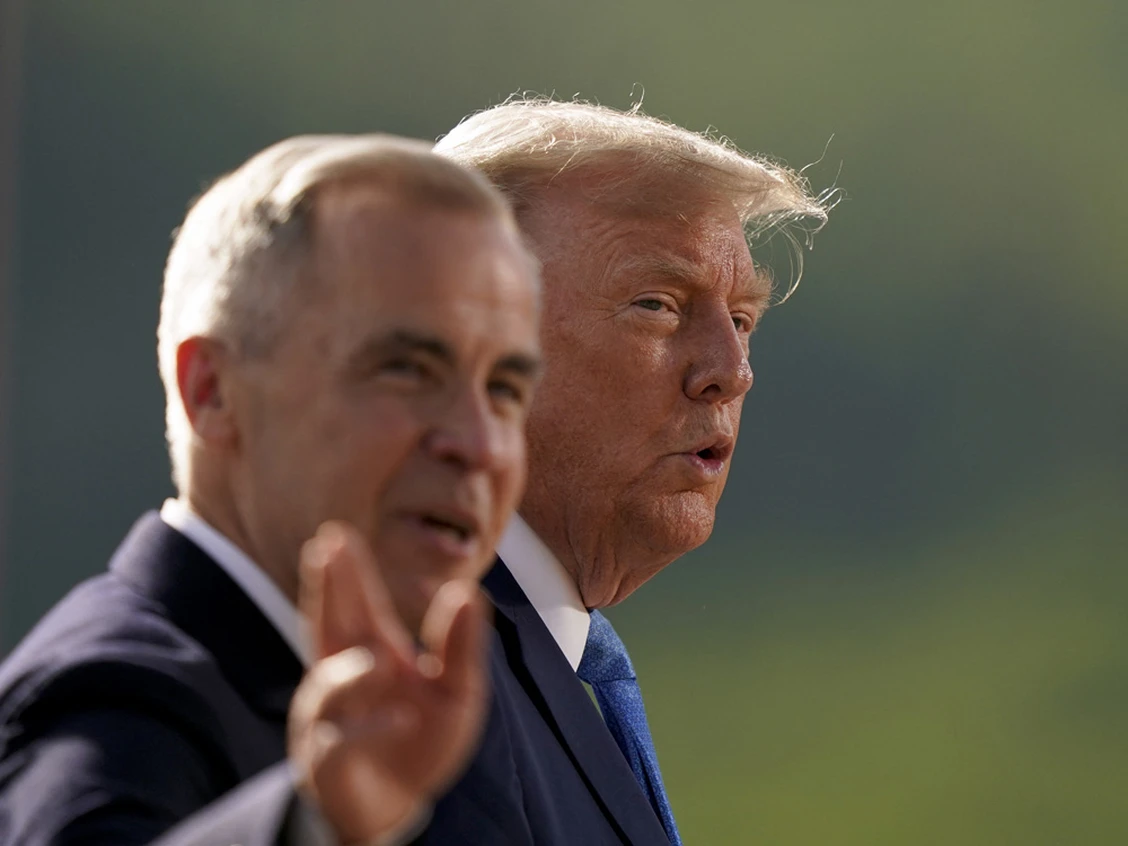
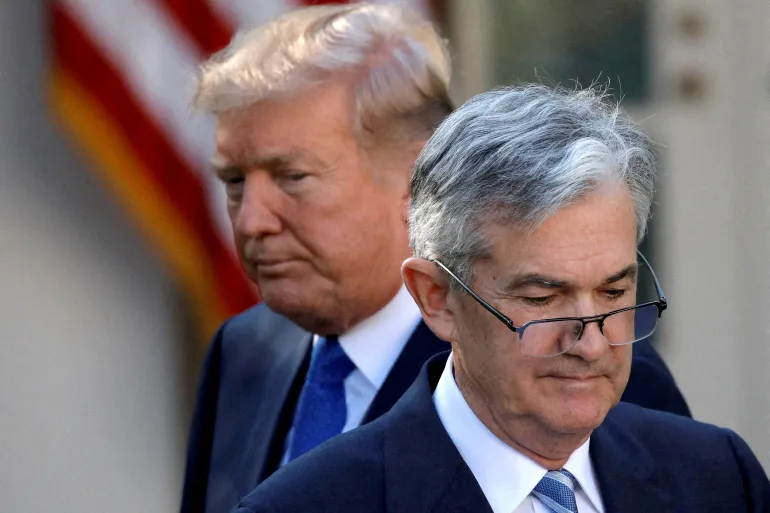
At the same time, President Donald Trump’s open criticism of Fed Chair Jerome Powell and the dismissal of Governor Lisa Cook over mortgage fraud allegations have drawn unusual political attention to the central bank. The Federal Reserve, which prides itself on independence, must now prove that its decision is based on data, not politics.
Federal Reserve Faces Pressure From Inflation and Jobs
The labour market adds more urgency. Initial jobless claims reached their highest level in four years, and revisions showed nearly one million fewer jobs created between 2024 and 2025 than originally reported. In August, the economy added just 22,000 jobs, with most gains in healthcare and social assistance, while unemployment rose to 4.3 percent. Job cuts are also climbing, signaling weaker hiring ahead.
This puts the Federal Reserve in a difficult position. Higher inflation would normally call for rate hikes, but rising unemployment argues for cuts. Analysts now expect the US Fed to announce a quarter-point cut in September, prioritizing growth even at the risk of worsening inflation. For Powell and the central bank, this decision will be a defining test of credibility, independence, and long-term strategy.