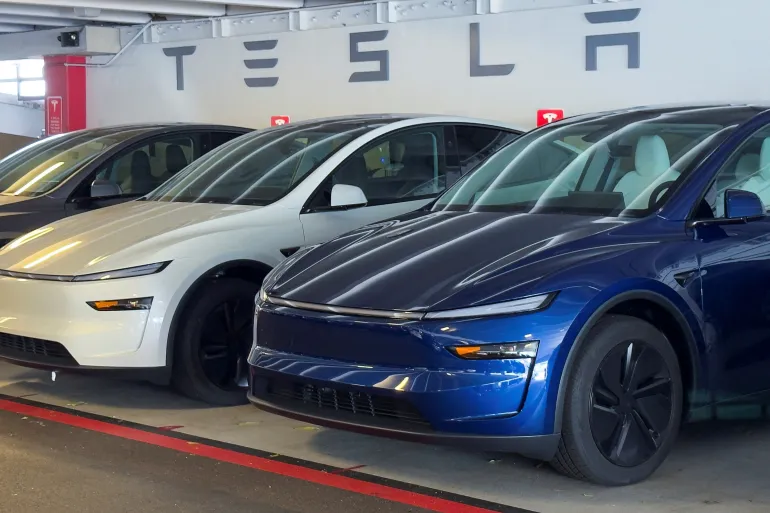
A US family sues Tesla, claiming that faulty door mechanisms in one of its vehicles led to the wrongful death of a loved one. The lawsuit alleges that the car’s electronic doors failed to open after a severe crash, trapping the driver inside as the vehicle caught fire. The case has reignited public debate about Tesla’s safety features, particularly the automaker’s reliance on complex electronic systems over traditional mechanical parts.
According to court documents filed in California, the incident involved a Tesla Model S that crashed in a suburban neighborhood earlier this year. Witnesses reported that bystanders tried to help the driver escape, but the vehicle’s high-tech door handles failed to extend automatically after impact. With smoke and flames quickly engulfing the car, rescue attempts became impossible.
The family of the victim claims that this malfunction directly caused the death, arguing that a mechanical door handle could have saved the driver’s life. They accuse Tesla of negligence, saying the company prioritized sleek design and automation over basic safety.
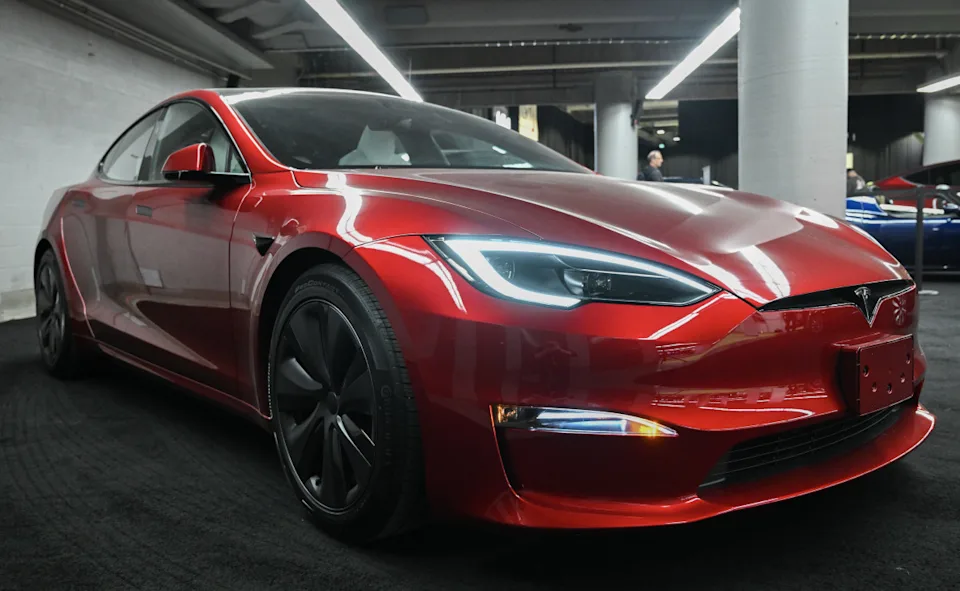

Tesla vehicles are known for their cutting-edge design and advanced technology, including touchscreens, autopilot features, and sensor-based controls. However, the US family sues Tesla case raises concerns about how these innovations perform in life-or-death situations.
This is not the first time Tesla’s electronic door handles have faced criticism. In several previous cases, first responders have struggled to access vehicles quickly after accidents. While Tesla has defended its systems as meeting safety standards, experts say the company’s design philosophy often prioritizes innovation over redundancy.
Automotive safety analysts argue that depending solely on electronic mechanisms creates single points of failure—meaning when the system stops working, there’s no simple backup option. For vehicles that might be involved in high-impact crashes, that’s a serious risk.
The lawsuit could have major implications for the electric vehicle (EV) industry. As more carmakers embrace advanced automation, they face growing pressure to balance innovation with safety. Fire risks are already higher in EVs due to battery chemistry, and design flaws can amplify the danger.
Consumer advocates note that this case could push regulators to tighten standards around electronic systems in cars. Traditional car doors have always had manual releases, but some modern vehicles now depend entirely on sensors and internal power systems. If courts rule in favor of the plaintiff, it could set a legal precedent requiring automakers to ensure mechanical backups in every electronic component.
Tesla, on its part, has not yet issued a public response to the lawsuit. However, the company has a history of disputing such claims, often citing driver error or external damage as contributing factors.
This lawsuit also highlights the growing accountability debate in the era of smart vehicles. When cars are increasingly run by code, determining who is responsible for a malfunction becomes complex. Is it the software engineer, the hardware supplier, or the automaker itself?
For Tesla, a company that markets its vehicles as “safer than average,” cases like this challenge that narrative. The family’s lawyer insists that this tragedy could have been prevented with a simple, manual door release. Critics add that it’s another example of how automation can sometimes work against human instinct in emergencies.
As the US family sues Tesla, the case will test not only the company’s design choices but also how far innovation can go before it compromises safety. Electric cars may represent the future of driving, but incidents like this remind the world that technology must serve people, not endanger them.
Whether Tesla makes design changes or regulators tighten safety requirements, one thing is clear: progress must never come at the cost of human life.