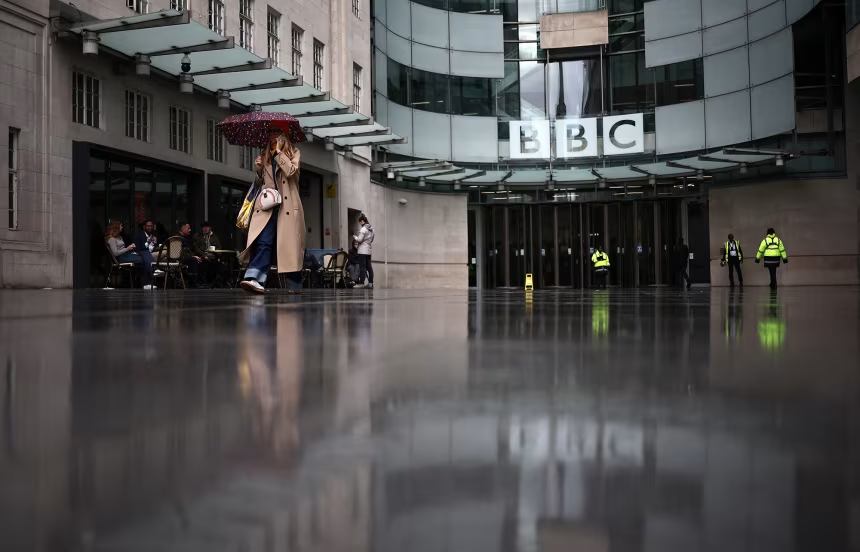
President Donald Trump is escalating his conflict with the BBC by threatening to sue BBC for $1 billion after the broadcaster admitted to a misleading edit of his January 6, 2021 speech. What might have been dismissed as an internal editorial error has evolved into a full-scale showdown between a world leader and one of the world’s most respected media institutions.
The dispute traces back to a BBC documentary aired in October 2024. The programme edited two separate sections of Trump’s speech to create the impression that he declared, “We’re going to walk down to the Capitol and I’ll be there with you… and we fight. We fight like hell.”
In reality, the speaker had urged peaceful protest and only later used the word “fight” in a broader context. Trump’s legal team calls the edit “false and defamatory,” claiming it constitutes election interference and has caused “overwhelming financial and reputational harm.” A formal letter was sent demanding retraction, apology and compensation.
The fallout was swift and dramatic. The BBC’s Director-General Tim Davie and News Chief Deborah Turness both resigned within days of the scandal becoming public. The board acknowledged the error but insisted it was not evidence of systemic bias.
Beyond the leadership shake-up, the broadcaster is facing a long-planned review of its funding model and royal charter renewal ahead of 2027. Critics, particularly within the UK Conservative Party, have seized on the incident to argue that the BBC is politically biased and should face cuts or restructuring.
President Trump’s decision to target the BBC signals more than a personal grievance. It highlights growing tensions in how global media cover political figures and how such coverage can be weaponized in international disputes.
By positioning the edit as “election interference,” Trump is applying legal leverage to a major institution.
For the BBC, the risk is twofold: legal liability and reputational damage. Even if the lawsuit never materialises, the threat alone may induce caution in how news organisations handle politically charged content.
The BBC accepted that the edit was “an error of judgment” and that it created a misleading impression. However, tension remains about whether this incident is isolated or part of deeper editorial problems.
In a leaked internal memo, a former standards adviser warned of repeated editorial failings in coverage of issues ranging from the Israel-Hamas war to gender and racial topics. Although the BBC has pledged reforms, trust in the organisation, both domestically and globally, has clearly taken a blow.
This confrontation touches deeply on media accountability and the legal mechanisms that govern international broadcasting. While defamation suits by public figures face steep legal hurdles, the threat of a large claim may have a chilling effect.
Media experts warn that a $1 billion demand, even as a bluff, could prompt news outlets to self-censor or avoid certain investigative work. The case raises pivotal questions: who holds broadcasters to account, and how do they navigate political pressures without compromising editorial independence?
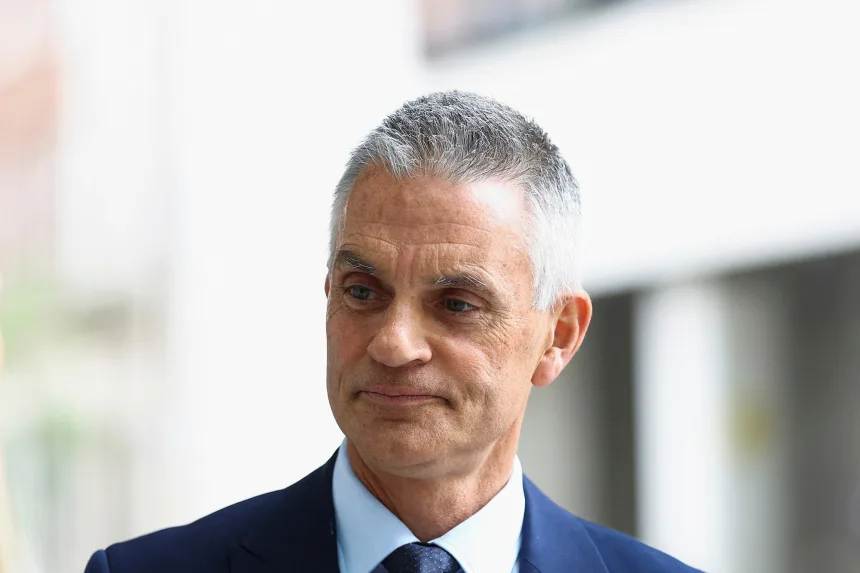
In the short term, the BBC must decide how to respond to Trump’s letter, whether to settle, defend its position, or engage in negotiation. Internally, the broadcaster must rebuild damaged processes and leadership credibility while facing political scrutiny in the UK funding review.
President Trump, on his part, may use the incident to reinforce his narrative of biased media elites and energize his political base ahead of upcoming campaigns.
Despite the bold headlines, both sides have reasons to avoid an extended legal battle. The journalists and institutions involved may prefer resolution rather than prolonged public warfare.
When the sitting U.S. president threatens to sue BBC, the stakes go beyond a single broadcast or error. They strike at the heart of how journalism operates in a globalized, contentious era. The outcome will not only shape the future of the BBC but also set wider precedents for media trust, leadership accountability and cross-national defamation challenges.