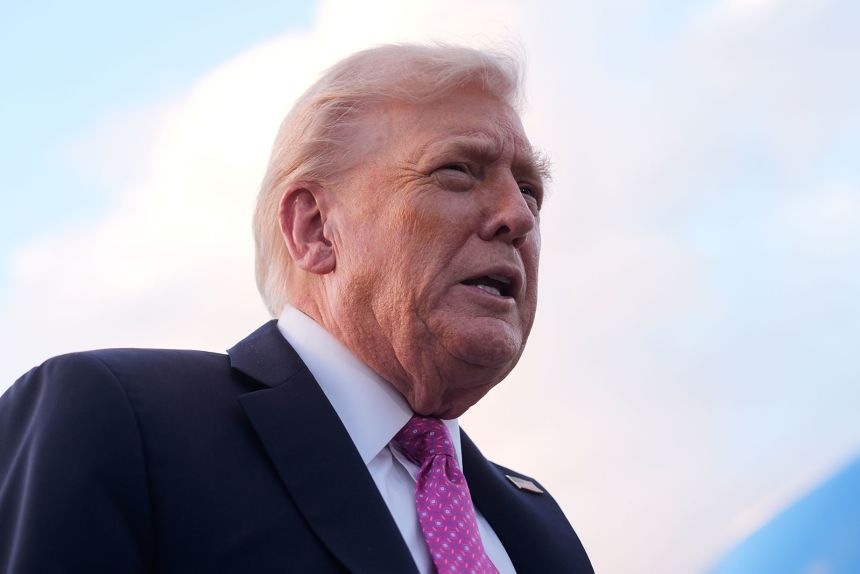
Former President Donald Trump abruptly announced Monday he would leave the G7 summit in Canada early, citing escalating tensions between Israel and Iran and issuing an alarming warning for civilians to “immediately evacuate” Tehran.
“I have to be back as soon as I can,” Trump told reporters, confirming he would cut short his planned visit to monitor developments from Washington. The White House later said his return was due to the rapidly deteriorating situation in the Middle East.
In a stark social media post on Truth Social, Trump issued a direct message to Iranians: “Everyone should immediately evacuate Tehran!” No explanation was provided, but the urgency added to growing fears of imminent conflict.
The warning followed days of intensifying hostilities between Israel and Iran, culminating in Israeli strikes on Iranian nuclear facilities last Friday. Trump confirmed that while the U.S. has not joined the military campaign, he is weighing options.
“We will defend American interests,” a White House spokesperson said, emphasizing that U.S. forces remain in a defensive posture.
G7 Seeks Unity as Trump Pushes Diplomacy
Trump’s early departure overshadowed the summit’s opening sessions, where G7 leaders scrambled to finalize a joint statement calling for a diplomatic resolution. Despite initially resisting, Trump ultimately signed on after edits emphasized Israel’s right to self-defense and condemned Iran’s destabilizing role.
“In this context, we affirm that Israel has a right to defend itself… Iran is the principal source of regional instability and terror,” the final statement read.
Behind closed doors, Trump urged European allies to support backchannel talks with Iran and tasked his Middle East envoy, Steve Witkoff, with seeking direct engagement “as quickly as possible,” according to U.S. officials.
Tensions surged after the expiration of a two-month ultimatum Trump issued this spring for Iran to agree to a new nuclear deal. On day 61, Israel launched unprecedented strikes—actions Trump said were “painful for both parties” but justified.
“They’d like to talk, but they should have done that before,” Trump told reporters, adding, “Something’s going to happen.”
Though vague on potential U.S. military involvement, Trump said his goal remains preventing Iran from acquiring nuclear weapons. “It’s irrelevant if Israel can do it alone. Something’s going to happen,” he repeated cryptically.
Adding to diplomatic tension, Trump proposed Russian President Vladimir Putin as a potential mediator, following a phone call over the weekend. French President Emmanuel Macron swiftly rejected the idea, citing Moscow’s invasion of Ukraine as disqualifying.
“They threw Russia out of the G8, which I claimed was a very big mistake,” Trump said, suggesting Putin’s presence could have prevented the Middle East crisis. “Not having Russia at the table makes life more complicated.”
As the Israel-Iran conflict intensifies and world leaders seek diplomatic off-ramps, Trump is positioning himself as both a crisis manager and a central figure in brokering potential negotiations—though his methods and allies are once again drawing global scrutiny.