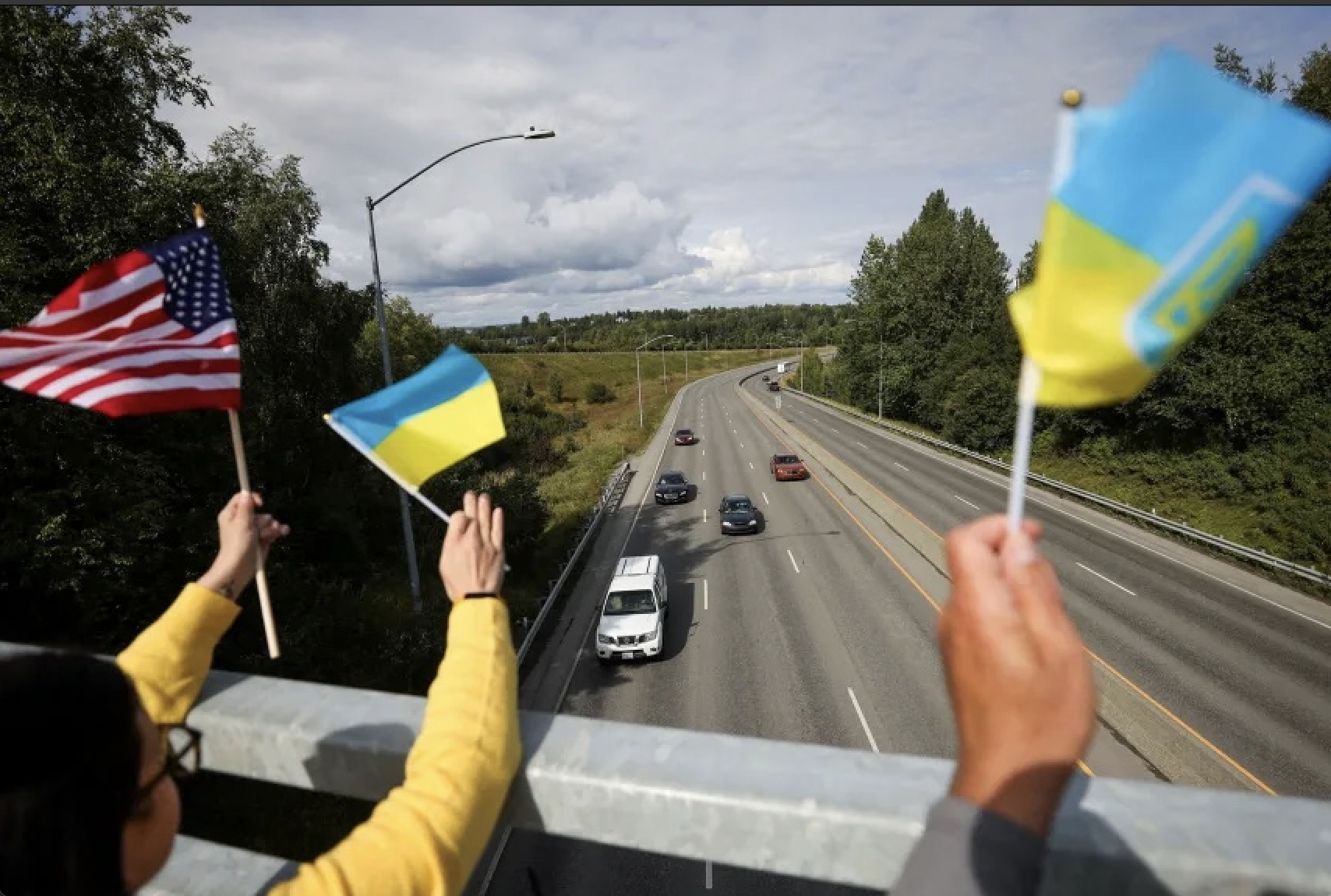
Ukrainian families in the U.S. are facing a growing crisis as their legal status and work permits under the Uniting for Ukraine (U4U) humanitarian parole program begin to expire. Many of them, who fled war and started new lives in America, are now living in limbo—uncertain whether they can stay, work, or provide for their children.
Ukrainian Families Struggling With Expired Work Authorizations
Natalia’s young son believes he has lived in the United States his entire life. He does not remember Ukraine, yet his family now faces the possibility of being forced to leave.
Like thousands of others, Natalia and her friend Tatiana arrived through the Uniting for Ukraine program, which granted humanitarian parole for two years. This allowed private U.S. citizens to sponsor Ukrainians fleeing the war.
But as the initial two-year period ends, work authorizations are expiring. Families who once had stability are now unable to legally work, leaving them to choose between survival and breaking the law.
Temporary Protected Status (TPS) and Re-Parole Challenges
Those who arrived before August 16, 2023, were eligible to apply for Temporary Protected Status (TPS), which could extend protections beyond the initial two years. However, the application process is costly and time-sensitive.
For others, the only option is to request re-parole—a new two-year extension—through U.S. Citizenship and Immigration Services (USCIS). These requests are reviewed case by case and require proof of urgent humanitarian need or significant public benefit.
Unfortunately, many families report that their applications are still pending. In the meantime, their legal work permits have expired, forcing them out of jobs and leaving them unable to cover basic expenses like rent, food, and car payments.
“We Don’t Know Where to Go Next”
Tatiana explains the frustration:
“We have to just buy food and pay our bills for apartments and our cars. We can’t wait. Ukrainians, we just don’t understand why this is happening, because the U.S. government invited us to come here.”
Even if peace were to be declared in Ukraine, many families say they would not feel safe returning as long as Vladimir Putin remains in power. The threat of renewed conflict looms large, making relocation back to Ukraine unimaginable for most.


The Emotional Toll on Children
For many children, the U.S. is the only home they remember. Starting over in another country—or being forced to leave altogether—could be devastating.
“It’s not easy to start a new life in another country,” Tatiana said. “It’s so far away from our families. For our kids, it’s even more painful.”
Sponsors and Communities Feeling the Strain
American sponsors who welcomed Ukrainian refugees under the U4U program are also voicing concern. Many believed the program would provide a secure and legal path for families to integrate into U.S. communities.
Instead, they now feel abandoned by shifting immigration policies. Some say they would not have agreed to sponsor families if they had known the program’s future was uncertain.
“I brought people here with the understanding this was a legal, practical program to help rebuild small communities,” one sponsor explained. “Now, I feel guilty for both the Ukrainians and the local families who welcomed them.”


What Lies Ahead for Ukrainians in the U.S.?
The situation highlights the fragile nature of humanitarian parole programs and the urgent need for immigration clarity. Without action, thousands of Ukrainians risk falling into undocumented status, losing their livelihoods, and facing an uncertain future.
Advocates continue to urge U.S. lawmakers to address the crisis, warning that failing to act will not only harm Ukrainian families but also the American communities that embraced them.