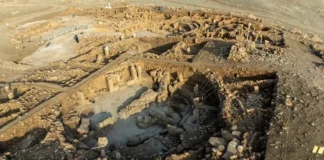
The Ottoman Empire was one of the most influential powers in world history, stretching across three continents and lasting for over six centuries. Founded around 1299 by Osman I, the empire grew from a small Anatolian principality into a vast realm that at its peak included much of Southeast Europe, Western Asia, and North Africa.
Golden Age
Under Suleiman the Magnificent (1520–1566), the Ottomans reached their cultural and political zenith. Istanbul became a thriving center of trade, architecture, and scholarship. The empire’s system of governance, based on both Islamic law and a pragmatic administration, allowed it to manage a diverse population of Muslims, Christians, and Jews.
Decline and Fall
By the 18th and 19th centuries, the empire struggled with military defeats, rising nationalism, and economic challenges. European powers gradually chipped away at its territories. Finally, after World War I and the Turkish War of Independence, the empire dissolved, giving rise to the Republic of Turkey in 1923.
Legacy
The Ottoman Empire left behind rich contributions in architecture (such as the Blue Mosque in Istanbul), cuisine, music, and governance. From food and music to architecture and law, the Ottoman Empire’s heritage continues to shape societies across the Middle East, Balkans, and beyond.
Quick Facts:
• Founded: ~1299 • Peak: 16th–17th centuries
• Dissolved: 1922 • Capital: Istanbul (formerly Constantinople)
⸻
Origin, Culure and Experience: Japanese Tea Ceremony – More Than Just Tea
The Japanese tea ceremony (chanoyu or sado) is a deeply symbolic ritual rooted in Zen Buddhism in the 9th century when tea was first introduced from China. By the 16th century, tea masters like Sen no Rikyū shaped it into a highly refined practice emphasizing simplicity and humility.
Guests enter a tea room stripped of distractions. Every movement — from cleaning the tea bowl to whisking the matcha — is performed with precision and care. The ceremony embodies four guiding principles: harmony (wa), respect (kei), purity (sei), and tranquility (jaku). Far beyond the act of drinking tea.
Today, this centuries-old tradition continues to connect people worldwide with Japanese culture and philosophy.


The tea ceremony is guided by four key principles:
• Wa (Harmony) – with people and nature • Kei (Respect) – for others and objects
• Sei (Purity) – cleansing the space and spirit • Jaku (Tranquility) – cultivating inner peace
Every gesture, from folding the cloth to serving the tea, reflects these values.
Experience
A traditional ceremony takes place in a small, rustic tea room. Guests remove their shoes, enter quietly, and admire the simple aesthetics — often a scroll or flower arrangement. The host prepares powdered green tea (matcha) with deliberate care, inviting guests to slow down and be present.
Global Influence
Today, the Japanese tea ceremony is practiced not only in Japan but also worldwide. It serves as a bridge between cultures, allowing participants to experience the meditative beauty of Japanese tradition.
Did You Know?
The bamboo whisk (chasen) used to mix matcha is hand-carved from a single piece of bamboo.