The Kennedy Center has long been seen as the country’s premier home for the arts, but in recent months it has been thrust into an unexpected spotlight. At the center of that attention is President Donald Trump, whose influence has sparked major debate inside the arts community. From shifts in leadership to significant changes in programming and funding, Trump’s transformation of the Kennedy Center has triggered both praise and backlash.
This article looks at how the institution is changing, why critics say those changes threaten its cultural mission, and why supporters argue it is long overdue.
Trump’s transformation of the Kennedy Center began shortly after he returned to office. One of his first moves was to replace much of the existing board of trustees and remove the long serving chairman, David Rubenstein. In his place, Trump appointed a circle of loyalists, including Richard Grenell, who took over as president of the center.
Grenell quickly began reevaluating programming with a stated goal of making the center appeal to a wider national audience. Under his direction, staff positions were cut, political allies were hired, and a strict break even policy was introduced for all performances and facility rentals.
These decisions have sparked intense disagreement. Supporters say it is a push toward fiscal responsibility and broader cultural relevance. Critics argue that it sidelines artistic innovation and places political preference above creative freedom.
Beyond leadership changes, Trump has secured substantial congressional funding for repairs and upgrades. A multiyear renovation project is underway, repairing exterior marble, updating theater seating and restoring stages throughout the building.
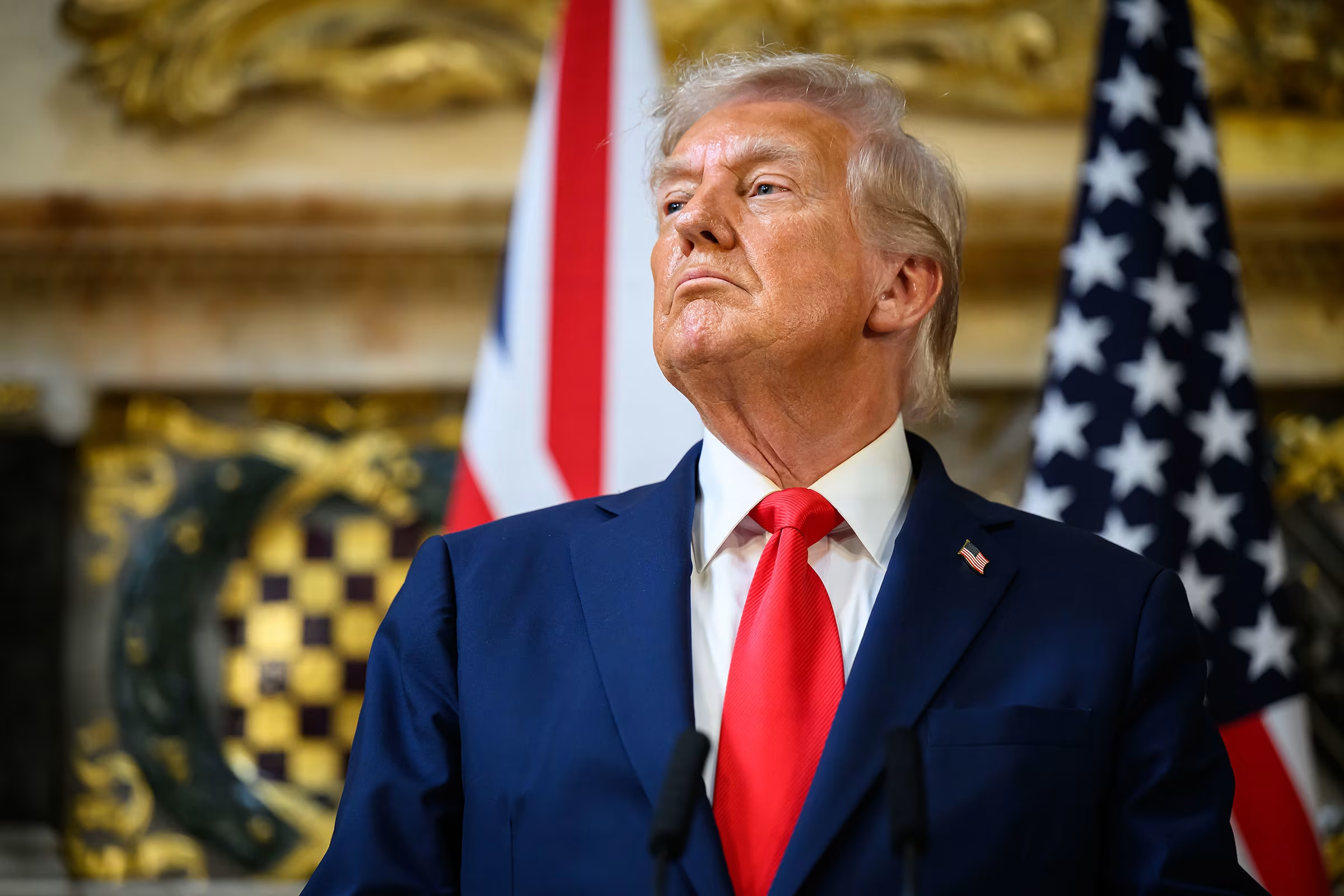
Trump has repeatedly emphasized that his vision is to make the Kennedy Center more grand, more modern and more aligned with what he calls a golden age of American art and culture. He has even referred to the venue as the Trump Kennedy Center, signaling how closely he is tying the institution to his legacy.
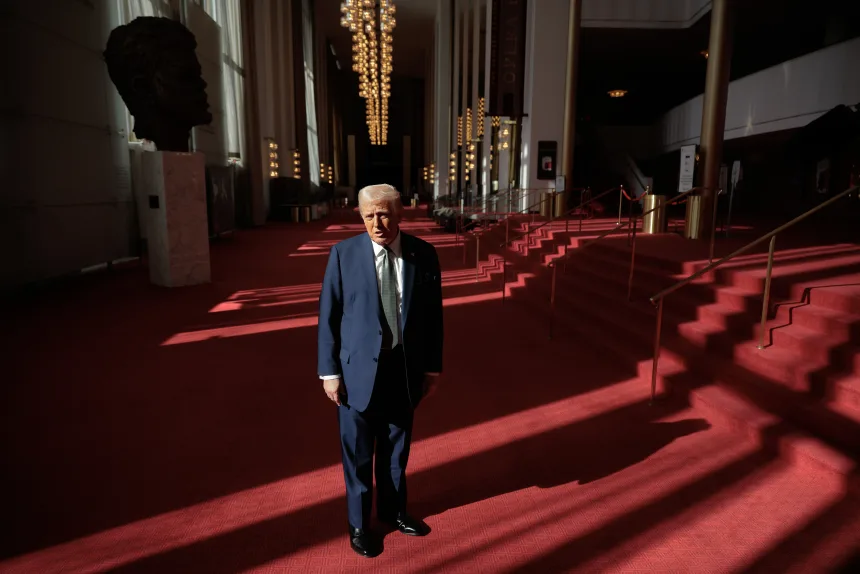

However, these changes have also led to questions about priorities. Some former staff argue the focus on appearance and prestige has overshadowed the center’s nonprofit mission to make the arts accessible to all.
Programming has been one of the most visible areas affected by Trump’s transformation of the Kennedy Center. Several well known artists and cultural leaders have either resigned or withdrawn events since the administration’s changes began. These include Issa Rae, Renée Fleming, Shonda Rhimes and Ben Folds.
One of the most notable departures was the Alvin Ailey American Dance Theater, which had performed at the center for decades. Their decision not to return was described by former employees as a major cultural loss.
The impact has also reached financial performance. Ticket sales for The Nutcracker fell short this year, with far fewer seats sold compared with previous seasons. Although the center says sponsorships and revenue models explain the difference, some insiders argue the shift in artistic direction has alienated long loyal audiences.
The institution has also increasingly hosted conservative events and organizations, including a film premiere from the Christian Broadcasting Network and a memorial for Charlie Kirk. Critics say this marks a clear political tilt and makes some artists feel unwelcome. Former staff members have raised concerns about the treatment of LGBTQ artists, suggesting that the environment no longer supports inclusivity.
Meanwhile, large events such as the FIFA World Cup draw, which generated significant income, forced the cancellation of scheduled arts programming including performances by the National Symphony Orchestra. This move sparked frustration among arts advocates who argue the center is prioritizing revenue events over cultural commitments.
Trump’s transformation of the Kennedy Center has introduced sweeping changes that continue to reshape the iconic institution. Supporters say he is modernizing the center, improving its financial sustainability and redirecting it toward mainstream audiences. Critics argue he is politicizing a national arts institution, weakening cultural diversity and driving away world class performers.
What remains clear is that the Kennedy Center stands at a crossroads. Its future direction will depend on whether these changes strengthen its role as a national cultural leader or fundamentally redefine what that role means in modern America.