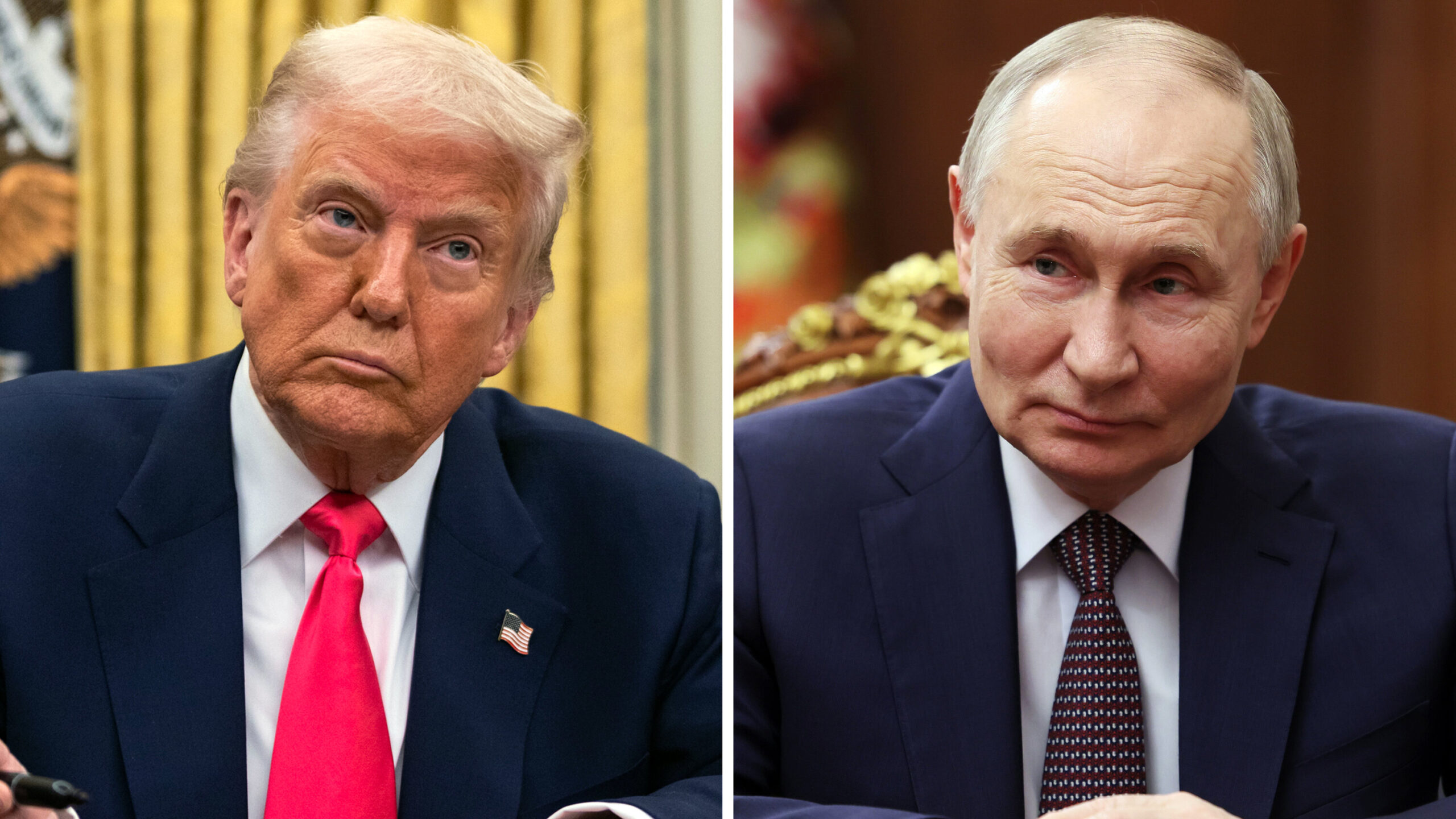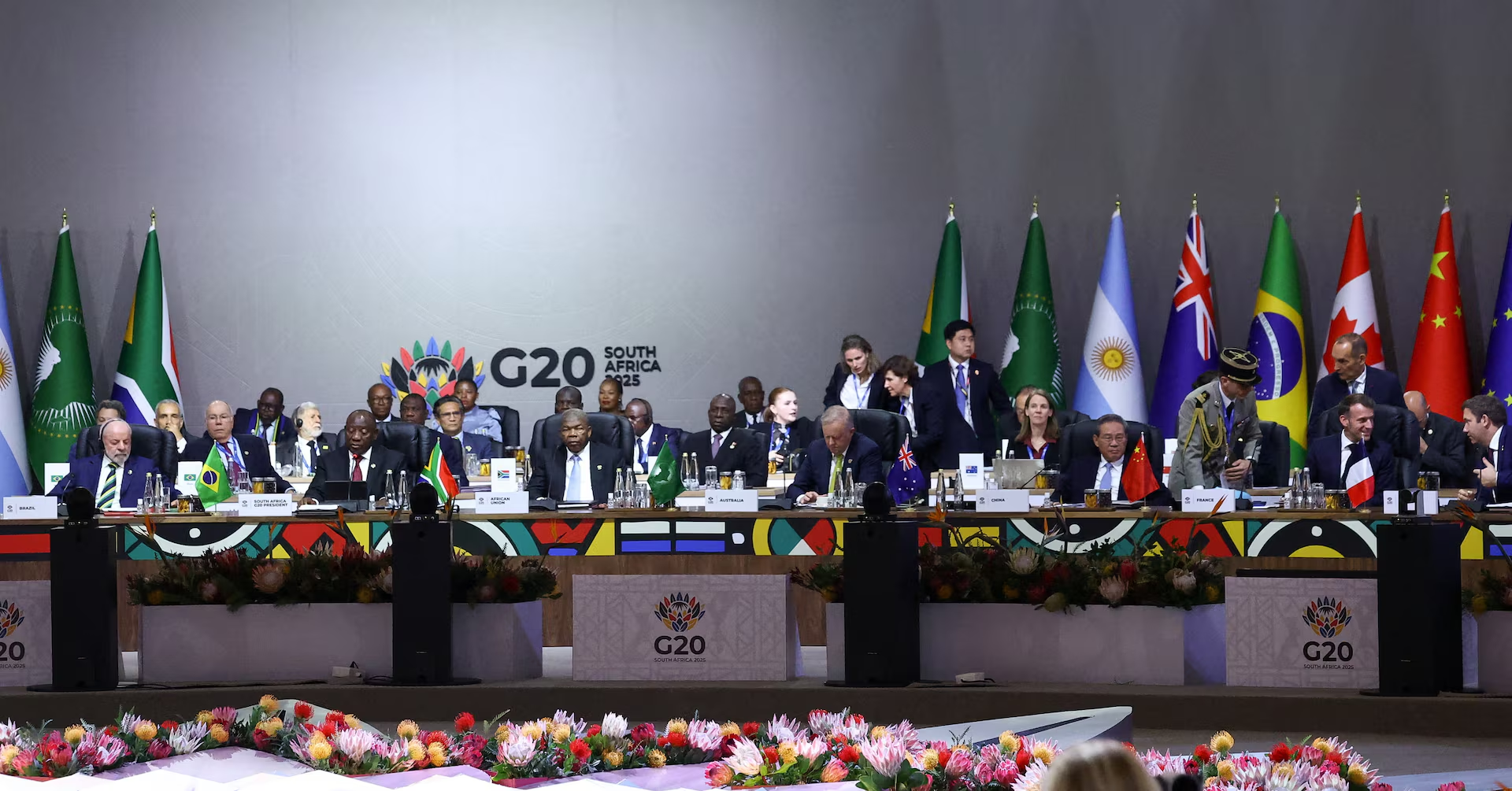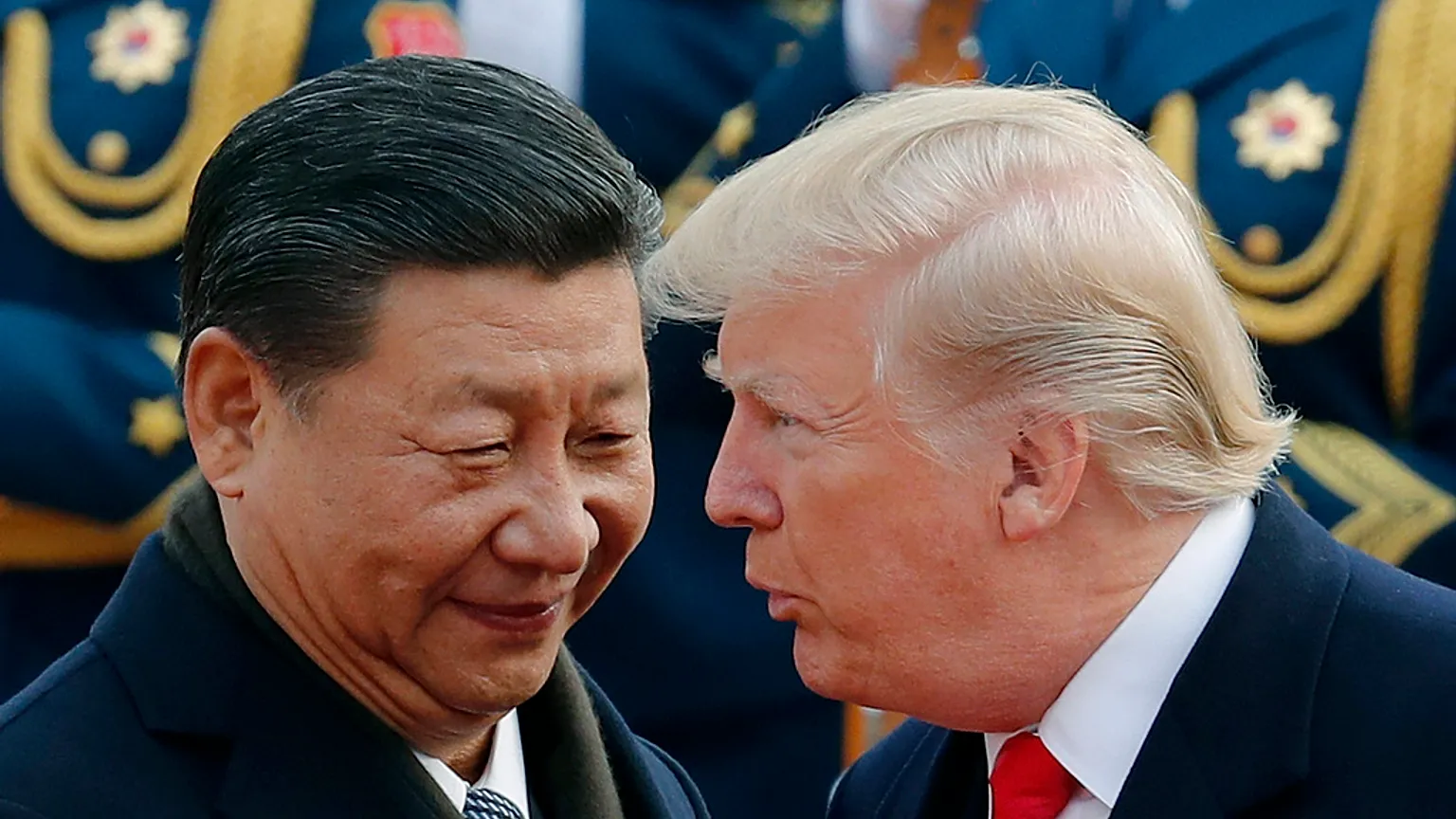
When the Trump administration unveiled its new national security strategy, observers immediately noticed a significant shift in tone regarding China. Gone are the forceful declarations of past administrations that framed China as the most consequential geopolitical threat. Instead, the document places primary emphasis on economic rivalry, signaling a pivot in the Trump security strategy on China. This adjustment has raised questions about the motivations behind the change and its potential impact on US-China relations.
Unlike previous strategies, the current NSS prioritizes trade and economic competition over concerns like authoritarianism or human rights violations. Experts note that China is now largely presented as an economic competitor rather than a strategic adversary. David Sacks, an Asia studies fellow at the Council on Foreign Relations, remarked that there is a clear shift from viewing China through the lens of global ideological competition to focusing on commerce and domestic economic priorities.
This emphasis reflects the administration’s broader “America first” philosophy, highlighting the need to restore American economic independence and prioritize reciprocity in trade relations with China. The NSS notes that rebalancing trade, addressing export imbalances, and securing supply chains are central to US strategy, presenting economics as the “ultimate stakes” in the relationship.
China’s response to the new NSS has been cautiously positive. Spokespersons emphasized mutual respect, peaceful coexistence, and the potential for win-win cooperation. While sensitive issues like Taiwan remain a point of tension, Beijing’s reaction lacked the usual sharp rhetoric. Analysts suggest that the subdued tone might be strategic, especially with a planned summit between President Trump and Xi Jinping in the coming months.
However, some experts in China interpret the shift as tactical rather than a retreat. The document still underscores the need to protect US interests and maintain leverage over external competitors. It is seen as a recalibration aimed at gaining an advantageous position rather than a full-scale ideological softening.
Although China receives minimal attention in the NSS, Taiwan emerges as a notable exception. The strategy dedicates several sections to Taiwan, emphasizing the island’s economic and strategic importance, particularly in semiconductor production and its role in regional security. The document calls for maintaining military overmatch to deter potential aggression and stresses the criticality of global shipping lanes in the South China Sea.
At the same time, the language on Taiwan reflects a subtle shift. Instead of unequivocally opposing unilateral changes to the status quo, the strategy encourages cautious handling of the situation, sending mixed signals that may appeal to both Washington and Beijing while maintaining deterrence.
Several factors may explain the Trump security strategy on China’s recalibration. A key motivator is the upcoming summit with Xi, which may have prompted a softer, economically focused approach to avoid undermining negotiations. Additionally, the administration may be reflecting on lessons from recent trade tensions, acknowledging mutual economic interdependence and the potential consequences of escalation. Changes in cabinet personnel and advisors could also have influenced the NSS, prioritizing pragmatic economic interests over ideological confrontation.
Trump’s new national security strategy signals a notable shift in how the United States approaches China. By emphasizing economic competition and downplaying ideological and human rights rhetoric, the administration seeks a strategic balance that preserves leverage while opening avenues for cooperation. This pivot underscores the evolving complexity of US-China relations, highlighting both opportunities and challenges in navigating global economic and security interests. The Trump security strategy on China will be closely watched as policymakers, analysts, and international partners interpret its implications for diplomacy, trade, and regional stability.