In recent weeks, the phrase Trump hints at possible land action in Venezuela has moved from speculation to a central talking point in Washington’s foreign policy debates. President Donald Trump has suggested that the United States may expand its ongoing anti drug operations from sea based missions into potential land based actions inside Venezuelan territory. This shift points to a more aggressive strategy toward the government of President Nicolás Maduro and sets the stage for a new period of tension in the region.
Throughout 2025, U.S. forces have carried out repeated strikes on vessels suspected of drug trafficking in the Caribbean and eastern Pacific. Officials have credited these operations with disrupting routes that have long been used by organized criminal networks. While these strikes have been controversial, they have largely taken place in international waters where the legal ground is clearer.
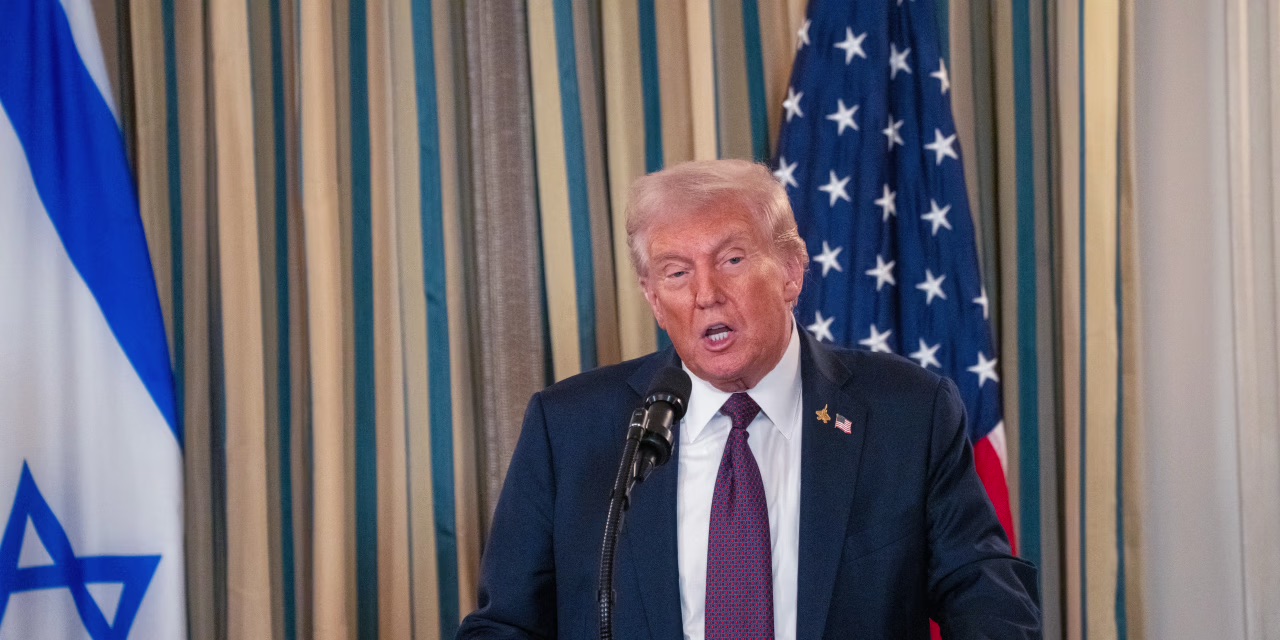
Trump’s recent statements indicate a possible move beyond those boundaries. He has argued that drug traffickers are increasingly shifting inland, making maritime operations less effective. As a result, he has floated the idea that the United States could act directly on Venezuelan soil to target these networks. He described potential ground based action as something that could begin very soon, although he did not outline specific timelines or operational details.
For many analysts, this is the clearest sign yet that the administration is preparing for a more assertive and potentially risky phase of its Latin America policy.
The United States has already increased its military presence near Venezuela. A major aircraft carrier group and additional naval vessels have been sent to the Caribbean, while fighter jets have flown missions near Venezuelan airspace. These moves have heightened concerns in the region, particularly among governments wary of escalating conflict.
Venezuelan leaders have reacted sharply to Washington’s positioning. President Maduro and senior officials have accused the U.S. of plotting regime change and have vowed that any military intervention would be met with national resistance. They have framed the issue as a defense of sovereignty and warned of severe consequences if U.S. forces enter the country.
Russia, a key ally of Venezuela, has publicly expressed support for Maduro. That backing increases the geopolitical stakes and raises questions about how far the United States would be willing to go in a region where international influence is heavily contested.
Launching military operations inside a sovereign country carries significant legal and political risks. While maritime anti trafficking missions have been justified on national security grounds, a land based intervention would be more difficult to defend under international law unless supported by clear authorization.
In Washington, several lawmakers have already raised concerns about the possibility of unauthorized military engagement. Motions have been introduced to restrict the president’s ability to initiate hostilities in Venezuela without congressional approval. These moves reflect fears of mission creep and the potential for a prolonged conflict that could draw in additional actors.
Even within the administration, there appears to be tension between hard line pressure and the possibility of future diplomatic engagement. Trump has stated that he will not rule out the deployment of troops, but he has also said he would be willing to engage in dialogue with Maduro if it could resolve the standoff.
When Trump hints at possible land action in Venezuela, it signals more than a tactical change in the fight against drug trafficking. It marks a pivotal moment in U.S. regional strategy and raises urgent questions about stability, legality and political consequences. Whether the United States ultimately moves from threats to real ground operations is still unclear, but the implications of such a decision would be profound for both nations and the broader Western Hemisphere.
The world will now be watching closely to see whether diplomatic pathways emerge or whether the situation moves toward a more dangerous confrontation.