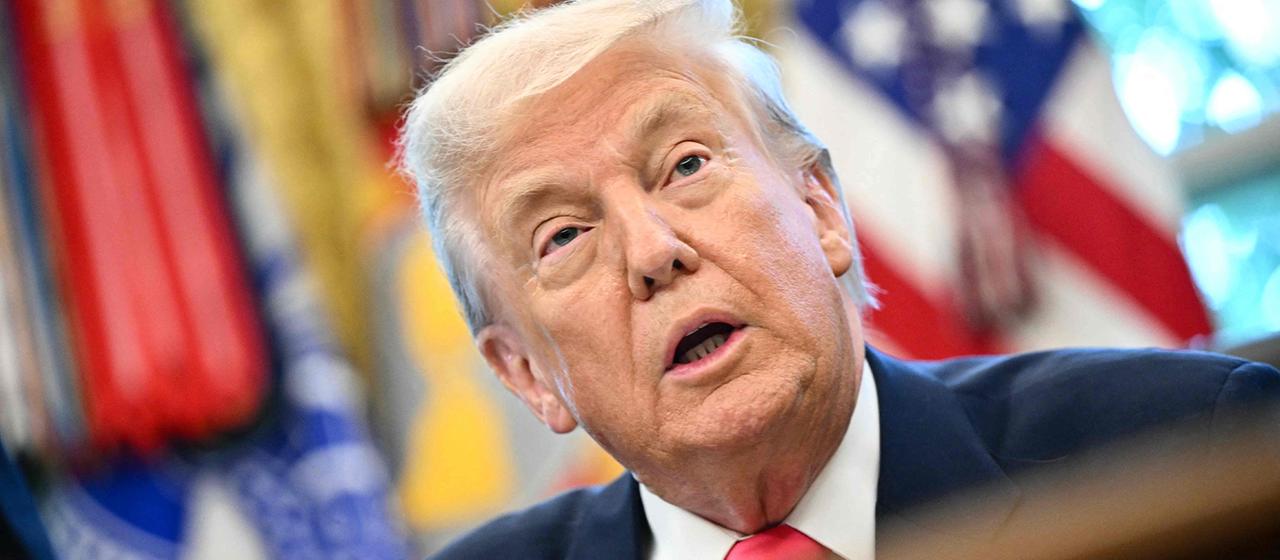
President Donald Trump on Friday announced a new round of Most Favored Nation drug pricing agreements with nine major pharmaceutical companies, marking his most aggressive step yet to curb prescription drug costs for Americans. The move comes as health care affordability remains a top political and economic concern, with millions of households struggling to manage rising insurance premiums and out of pocket medical expenses.
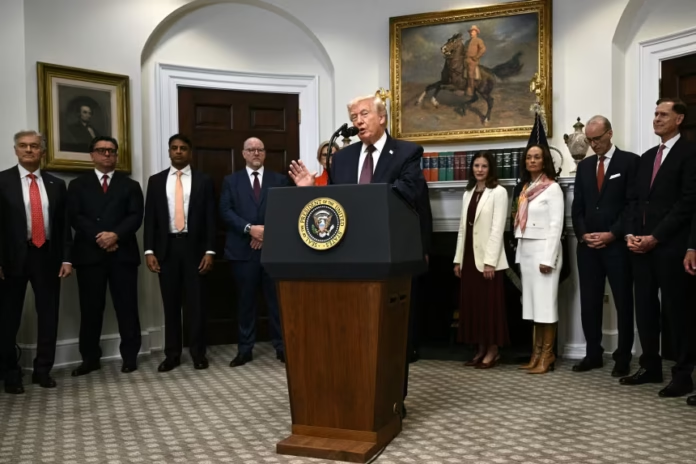
Standing at the White House alongside drug company executives, Trump framed the deals as proof that his administration is taking direct action on costs that hit families every month. He also signaled that pressure on the health care industry will intensify, saying he plans to summon health insurers for talks aimed at lowering premiums, particularly as enhanced Affordable Care Act subsidies are set to expire.
At the heart of the initiative is the idea that Americans should not pay more for prescription drugs than patients in other wealthy countries. Under the Trump Most Favored Nation drug pricing framework, participating companies agree to price certain medicines sold in the United States at the lowest level offered in comparable nations.
The nine companies joining the program are Amgen, Boehringer Ingelheim, Bristol Myers Squibb, Genentech, Gilead, GSK, Merck, Novartis and Sanofi. Together, they manufacture drugs used by hundreds of millions of Americans to treat conditions ranging from cancer and diabetes to heart disease and autoimmune disorders.
Under the agreements, the companies will sell selected medications to Medicaid at Most Favored Nation prices and commit to launching some new drugs in the US at those lower benchmarks. This is meant to prevent a repeat of a long standing pattern in which American patients face far higher launch prices than their counterparts overseas.
A central feature of the new deals is the TrumpRx online platform, expected to go live in January. Through the site, patients will be directed to drugmakers’ direct to consumer sales channels, where certain medicines will be offered at discounted cash prices for those willing to bypass insurance.
Administration officials argue this could benefit uninsured patients and those whose plans do not cover specific treatments. The White House has highlighted weight loss drugs as a prime example, since many insurers still refuse to cover them. Under earlier agreements, some of these medications could be available for as little as $149 a month, compared with list prices exceeding $1,000.
Still, health policy analysts caution that most Americans rely on insurance and may see limited benefit. For many patients, negotiated insurance rates and rebates already deliver lower effective prices than cash payments.
In exchange for joining the initiative, the nine drugmakers pledged more than $150 billion in combined investment in US manufacturing and research and development. They will also receive temporary relief from certain pharmaceutical tariffs.
Several companies also agreed to donate active pharmaceutical ingredients for critical medicines to a national emergency stockpile and, if needed, convert them into finished drugs. The administration has framed this as both a health and national security measure, given that many APIs are currently sourced from overseas.
Despite the fanfare, experts remain divided over how much the Trump Most Favored Nation drug pricing effort will lower costs for everyday patients. Critics note that the agreements cover only a fraction of available medications and lack detailed enforcement mechanisms.
Some analysts argue that drugmakers are willing to participate because the deals have minimal impact on their overall profits. Others warn that without broader changes to insurance design and pharmacy benefit management, savings may not reliably reach consumers.
For Trump, the announcement is as much political as it is policy driven. Rising health insurance premiums and prescription costs have become a liability for Republicans heading into a critical election year. By spotlighting drug pricing, the White House is trying to show tangible action on affordability, an issue voters consistently rank near the top of their concerns.
The expansion of Trump Most Favored Nation drug pricing deals signals a renewed push to challenge the high cost of medicines in the United States. While the initiative could deliver savings for some patients, especially those paying cash, its overall impact remains uncertain. Whether these agreements translate into broad, lasting relief will depend on how they are implemented and whether future steps address the deeper structural drivers of US drug prices.