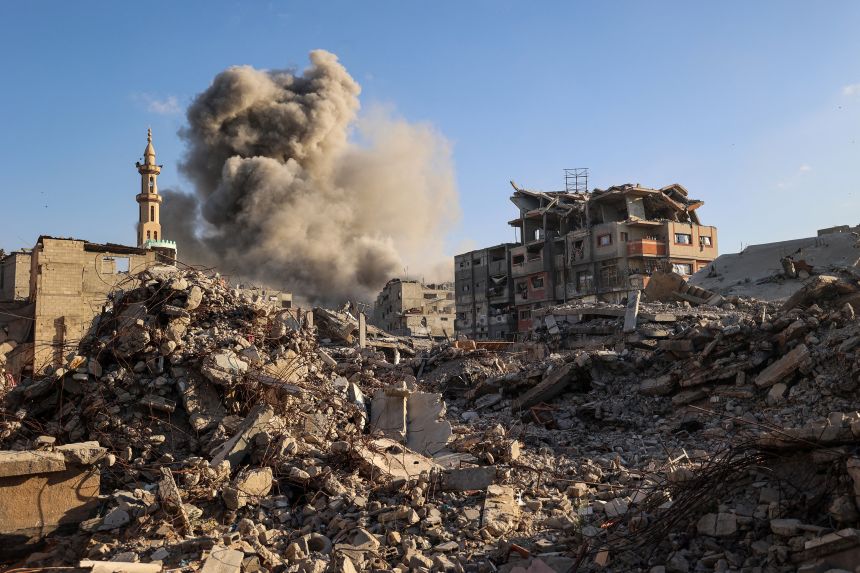
Former U.S. President Donald Trump claimed a significant diplomatic win after Hamas issued its response to a proposed ceasefire plan in Gaza. The development came amid heightened international pressure to halt the fighting, which has devastated civilian populations and strained global political relations. According to Trump, Hamas’ willingness to engage with the framework of the plan was a direct result of his leadership and negotiating pressure.
Trump framed the response as evidence that his administration’s approach could succeed where others had struggled. He presented it as a turning point not just for the conflict in Gaza but also for the wider Middle East, which has faced escalating instability due to the ongoing war. Trump’s declaration of victory positions him as a central figure in the peace process, even though questions remain about the feasibility of the ceasefire’s implementation.
Analysts note that Hamas’ engagement with the proposal does not equal full acceptance, but it shows a shift in tone. For Trump, this shift was enough to project success, reinforcing his image as a dealmaker while pressuring other stakeholders, particularly Israel, to reconsider their own positions.


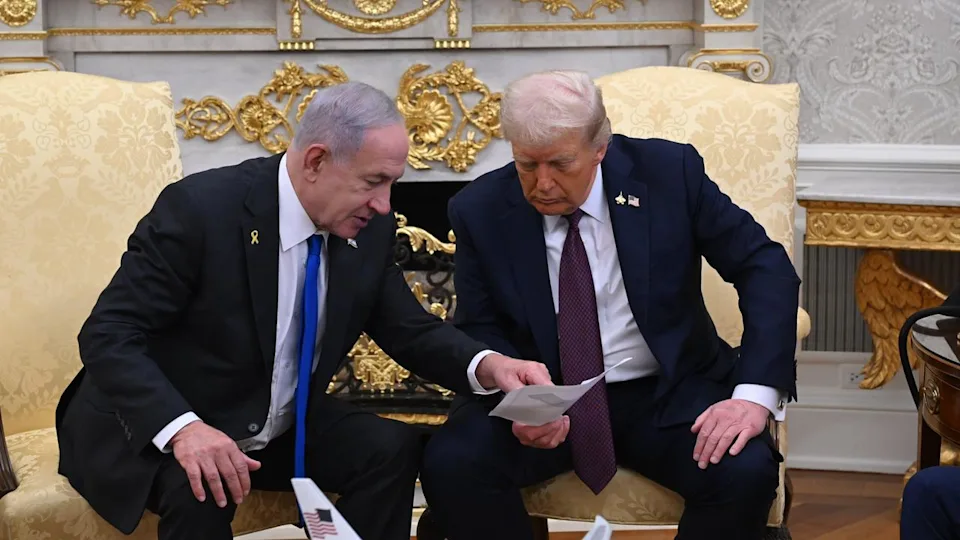
The ceasefire response has complicated matters for Israeli Prime Minister Benjamin Netanyahu. Trump’s public claim of victory has placed Netanyahu in a political bind: if he accepts the framework, he risks criticism from hawkish factions in Israel who oppose concessions to Hamas. If he rejects it, he risks appearing obstructive in the face of growing international and domestic calls for de-escalation.
This diplomatic tension highlights the fragility of Israel’s political landscape. Netanyahu is already under pressure from mass protests, legal troubles, and divisions within his coalition. Trump’s narrative, portraying Hamas’ response as progress, effectively boxes Netanyahu in, leaving him with fewer options to maneuver without facing backlash.
Global reactions also add to the pressure. European powers, the United Nations, and regional mediators have all welcomed any steps toward ceasefire negotiations. By framing the response as a breakthrough, Trump has amplified expectations on Israel to engage constructively. This narrative could shift the balance of global opinion further against prolonged military action.
The implications of this dynamic are far-reaching. If Netanyahu refuses to adapt, Israel could face increased diplomatic isolation, while continued escalation in Gaza may further erode its international standing. On the other hand, if Netanyahu engages, it could open the door to wider negotiations, but at significant political cost domestically.
Trump claims victory after Hamas ceasefire response, but the situation remains highly complex. While his framing strengthens his role as a negotiator in global eyes, it also places Netanyahu in a corner, forcing difficult political decisions. The coming weeks will determine whether this moment marks a real turning point toward peace or just another rhetorical maneuver in a conflict defined by decades of stalemate.