President Donald Trump’s latest primetime address marked a noticeable shift in tone, as he leaned into a Trump affordability script designed to acknowledge voters’ cost-of-living frustrations. For an administration heading into a high-stakes midterm year, the speech offered a glimpse of a more disciplined economic message. The bigger question inside the White House is whether that approach will last beyond the teleprompter.
With inflation still squeezing household budgets and voter patience wearing thin, Trump’s advisers see affordability as the political pressure point they can no longer sidestep. Yet they also know the president’s instinct is to campaign freely, riffing off the crowd and veering away from prepared remarks.
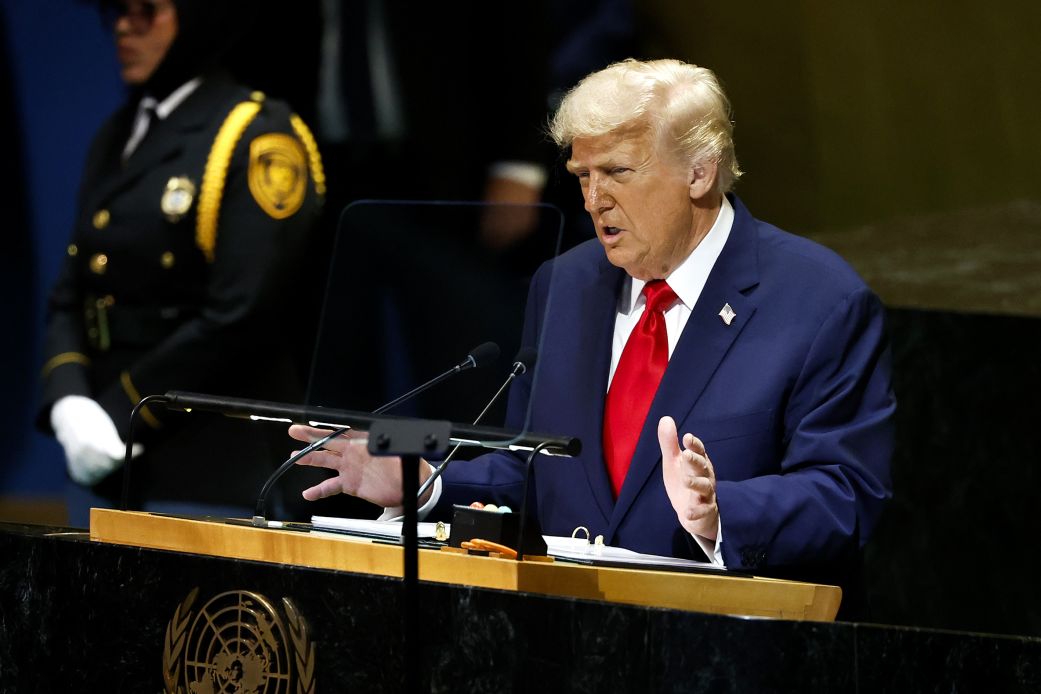
The 18-minute national address was tightly controlled by Trump standards. He stuck largely to prepared lines, acknowledged that everyday expenses remain a burden for many Americans, and framed the economy as a problem inherited from his predecessor rather than one fully solved. He cited easing gas and food prices as early signs of progress and promised that relief would continue.
Advisers privately described the address as a small but meaningful win. They credit the formal setting, limited time, and national audience for keeping Trump focused on affordability rather than grievances or side issues.
Even so, the delivery was not flawless. Trump rushed through parts of the speech, shifted topics abruptly, and occasionally slipped into a sharper tone. Still, he avoided dismissing voter concerns outright, a contrast to earlier moments when he rejected the idea that affordability was a real problem.
The renewed focus on the Trump affordability script reflects political reality more than strategy preference. Polling consistently shows the economy as voters’ top concern, with prices and wages shaping perceptions of leadership competence. Trump’s approval ratings have suffered accordingly, particularly among independents and suburban voters.
Republican losses in recent state and local races have intensified alarm within the party. Lawmakers worry that unless the White House shows sustained empathy on cost-of-living issues, the midterms could turn into a referendum on economic frustration rather than border security or cultural battles.
Complicating matters further, looming increases in health care premiums tied to the Affordable Care Act are expected to hit early next year, adding to the sense that financial pressure is not easing fast enough for many families.
Trump’s next campaign-style rally is expected to test how durable the new messaging really is. Advisers acknowledge that rally settings invite improvisation, and that Trump’s political brand is built on spontaneity and crowd engagement.
Some allies argue that over-scripting him risks diluting the authenticity that fuels his base. Others counter that voters outside that base are desperate to hear acknowledgment of their financial strain, not declarations of economic triumph.
Behind the scenes, White House officials are trying to strike a balance. They want Trump to frame the economy as a work in progress, emphasize upcoming tax policies, and show he understands everyday struggles without abandoning his trademark confidence.
Encouragement came after fresh data showed inflation cooling faster than expected, giving the administration a window to reinforce its economic narrative. The White House quickly amplified clips from Trump’s address, hoping to lock in the impression of a president focused on affordability.
Still, even supporters concede this was only a first step. Sustained messaging will be needed to counter deep-seated voter skepticism. One good night, they say, does not undo months of mixed signals.
The debut of the Trump affordability script offered advisers a rare moment of optimism, but it also underscored how fragile that progress is. With economic headwinds likely to persist into 2026, the administration faces a simple but difficult task: convincing voters that Trump not only talks about affordability, but truly prioritizes it. Whether he continues to stick to that script may shape both his presidency and his party’s midterm fate.