
A new scientific review suggests that certain psychedelic therapies may help people with obsessivee‑compulsive disorder (OCD), while cannabis does not show the same effect. The review, led by psychiatry researchers, examined existing studies and early clinical trials on these alternative treatments.
OCD is a mental health condition that causes persistent, unwanted thoughts and repetitive behaviors. Traditional treatments, such as medication or therapy, help some patients, but many still experience ongoing symptoms. Because of this, researchers are exploring other options, including substances that affect the brain in different ways.
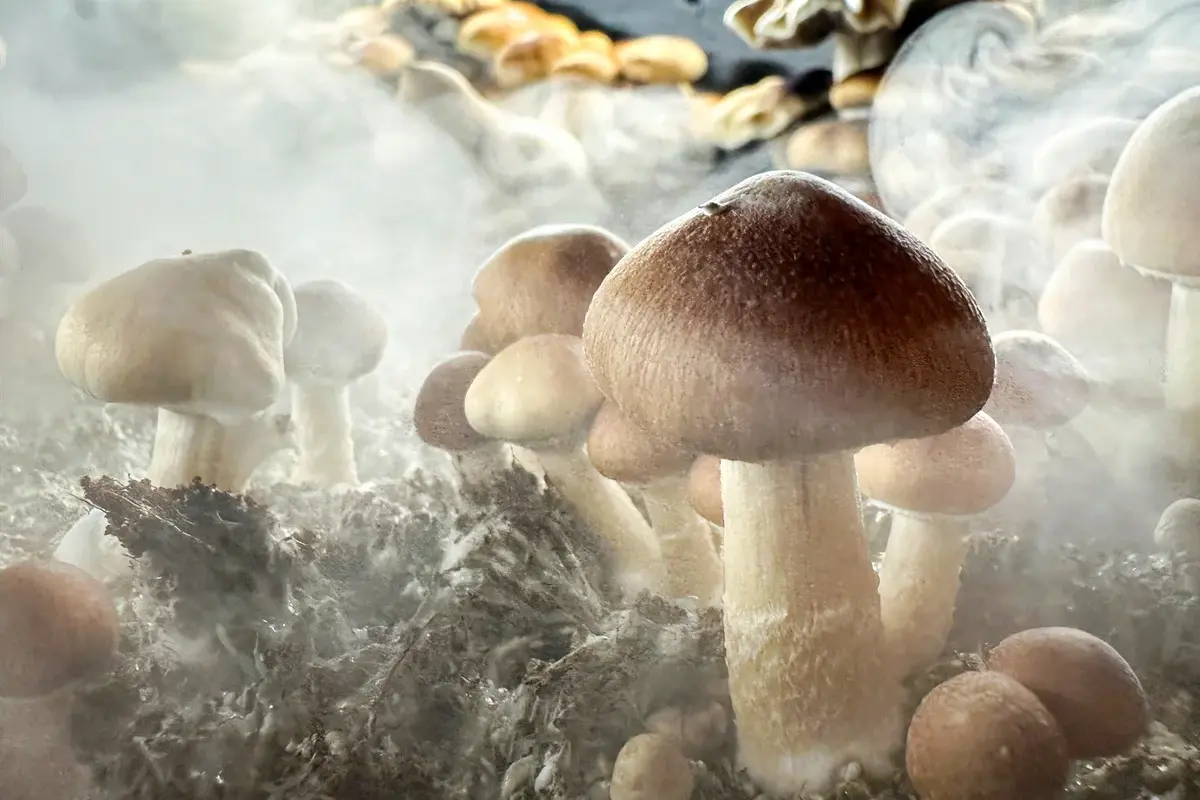

The review found that psilocybin, a compound found in “magic mushrooms,” showed signs of helping reduce OCD symptoms in early studies. Small clinical trials suggested that people given psilocybin in a controlled setting reported improvements compared with those who did not receive it. Scientists think that psilocybin might work by changing how certain brain networks communicate, especially those involved in rumination and repetitive thinking.
In contrast, the evidence for cannabis, including compounds like THC and CBD, did not show lasting benefit for OCD. While cannabis can reduce anxiety temporarily, current studies have not found that it reliably eases core OCD symptoms over time.
Scientists stress that more research is needed before psychedelic therapies become widely available. Many of the studies so far are small, and researchers want larger, carefully controlled trials to confirm the early findings. Legal restrictions and the challenges of running placebo‑controlled trials with psychedelic substances also make this work difficult.
While the results are not yet definitive, the review points to a growing interest in psychedelics as a new way to help people struggling with OCD.