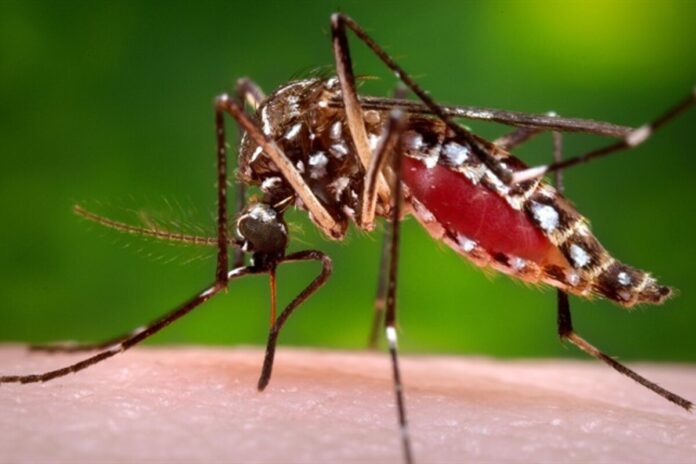
A serious outbreak of mosquito-borne illnesses in Cuba has claimed the lives of 33 people, the majority of whom were children, officials said Monday.
The country’s deputy health minister, Carilda Peña García, announced on state television that 21 of the deceased were minors, while 12 others died from a different mosquito-transmitted disease. Most of the deaths were attributed to Chikungunya, a virus that causes high fever, severe joint pain and fatigue. The remaining fatalities resulted from Dengue.
Health authorities say the outbreak began in July in the western province of Matanzas, then spread across all provinces of the Caribbean island, which has a population of about 9.7 million people.
Although Chikungunya rarely leads to death, experts say that certain factors such as poor living conditions, lack of clean water, and inadequate medical supplies have worsened the outbreak.
Cuba is currently facing shortages of essential resources like clean water, food, fuel and medicine. These shortages, combined with insufficient sanitation and stagnant water that allows mosquitoes to breed, are believed to have helped the diseases spread rapidly.
Health officials report that many hospitals are overwhelmed. Over 100 people are in intensive care due to complications from Chikungunya and Dengue, most of them children.
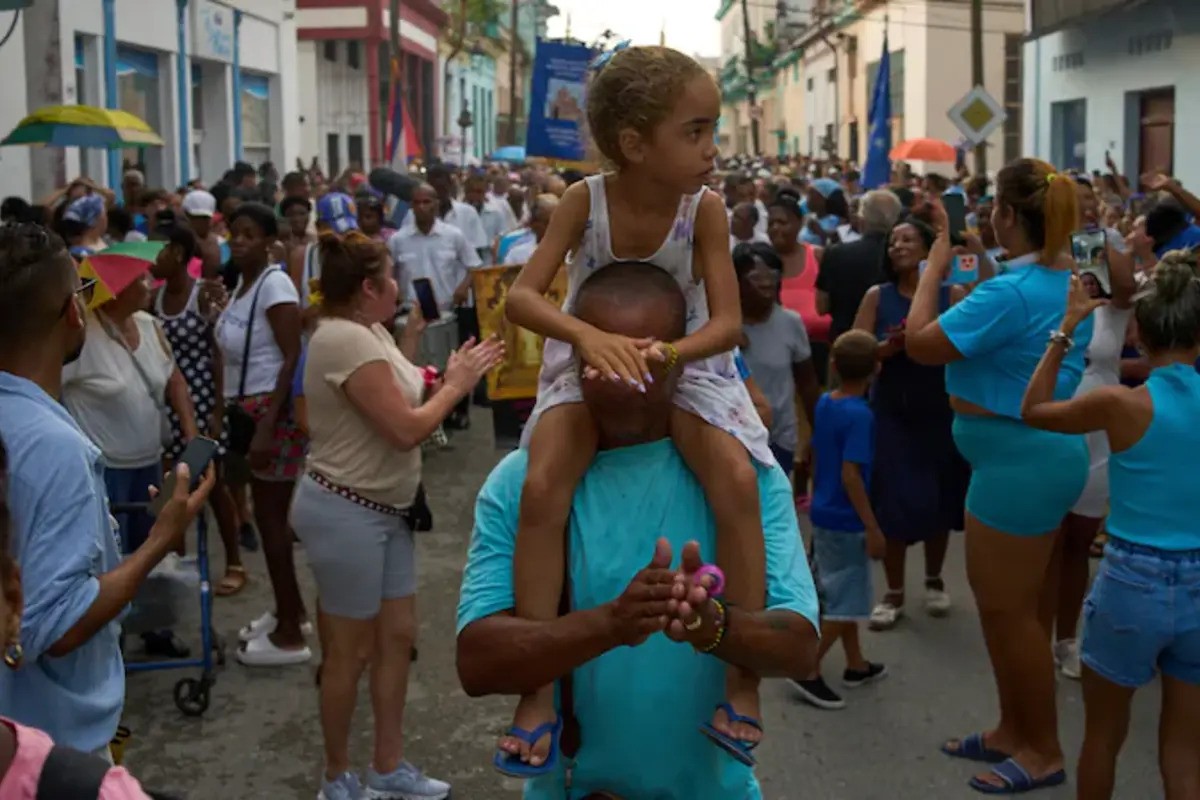

The government has appealed for calm and urged citizens to take preventive measures, but with limited resources for fumigation and insecticides, control efforts remain a challenge.
As the outbreak continues, parents and communities are gripped by fear. The loss of so many children has shocked the nation and placed renewed focus on the urgent need for better disease control, mosquito eradication, improved sanitation, and stronger support for public health services in Cuba.