Melania Trump recently claimed that she has an open channel to Putin on Ukrainian children and that eight displaced Ukrainian children were reunited with their families in the past 24 hours. Her announcement drew international attention and questions about its accuracy, significance, and potential humanitarian impact. As the war in Ukraine continues, the issue of children separated from their families has become one of the conflict’s most emotional and politically charged dimensions.
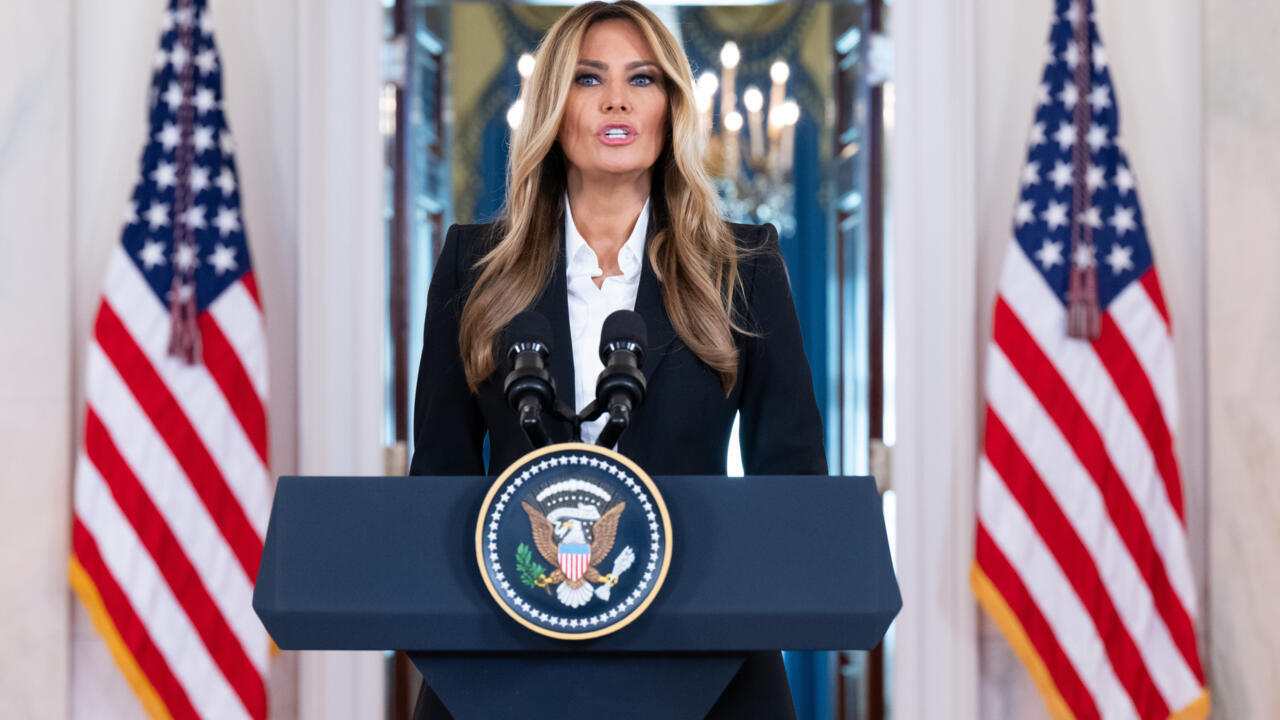
Melania Trump said during a media briefing that she established a personal communication line with Russian President Vladimir Putin to discuss the return of Ukrainian children who had been displaced or separated by the ongoing war. According to her, this open line of communication began after she sent a letter to Putin earlier this year, and both sides have since maintained what she described as “direct, respectful dialogue focused on humanitarian concerns.”
She stated that eight Ukrainian children were recently reunited with their families as a result of this engagement. Some of the children were reportedly separated from their families during evacuations or relocations from war zones. Melania said that her office, alongside Russian and Ukrainian representatives, coordinated efforts to identify and facilitate safe returns.
She also mentioned that her team is tracking cases of children who were minors at the time of separation but have since turned 18, arguing that their reunification process should still be treated as a humanitarian priority.
The issue of Ukrainian children being moved into Russian-controlled areas has been a key focus of international concern since early in the war. Thousands of children have been reported missing, displaced, or transferred across borders under various pretexts, including evacuation, relocation, or adoption.
The International Criminal Court (ICC) issued arrest warrants for Russian officials, including President Vladimir Putin, over allegations of unlawful deportation of Ukrainian children. Moscow, however, denies the accusations and insists that the children were evacuated from danger zones for their safety.
Melania Trump’s claim appears to insert a humanitarian element into an issue that has largely been dominated by accusations, legal disputes, and political tension.
This is not the first time Melania Trump has publicly engaged in humanitarian issues, but it is the first time she has claimed to be directly involved in sensitive diplomatic communication with Russia. Her statement carries weight because of the sensitive nature of the topic and the lack of visible diplomatic progress between Washington and Moscow.
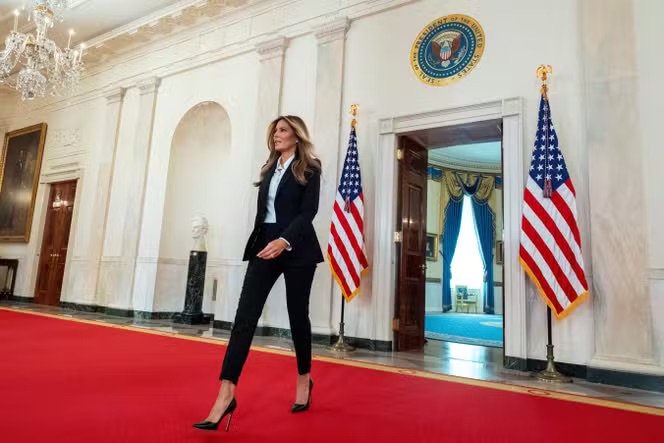
While her husband’s administration has focused more on strategic and military issues, Melania’s approach has emphasized soft diplomacy, human rights, and humanitarian relief. Her comments suggest an attempt to humanize an otherwise polarizing issue and draw attention to the plight of children caught between borders and politics.
Independent reports confirm that Melania Trump did announce the reunification of eight Ukrainian children with their families, citing her communication with Russian authorities. However, details about the exact nature of these communications remain limited.
International monitors have verified that several humanitarian exchanges have occurred between Russia and Ukraine under third-party mediation, especially through organizations such as UNICEF and the International Red Cross. These exchanges typically involve extensive negotiations and are often politically delicate.
While it remains unclear how directly Melania Trump was involved in this particular instance, her announcement coincides with a period in which humanitarian corridors and cross-border returns have been reported.
Points That Remain Unclear
-
The names and identities of the eight children have not been publicly released for safety and privacy reasons.
-
It is uncertain whether Melania communicated directly with Putin or through intermediaries.
-
There is no official confirmation from Russian or Ukrainian authorities about her role in facilitating these reunifications.
Nonetheless, her claim fits within a broader framework of small-scale humanitarian efforts that have taken place between the two countries since the start of the conflict.
Melania’s announcement may serve multiple purposes. On one hand, it highlights her interest in humanitarian diplomacy, potentially enhancing her public image as an independent figure within a politically charged environment. On the other hand, it might be seen as an effort to demonstrate a softer, more empathetic side of U.S.Russia engagement at a time when formal relations are strained.
Critics have questioned the lack of transparency surrounding her statement, suggesting that such claims require verifiable documentation. Supporters, however, have praised her initiative, arguing that any effort to reunite displaced children deserves recognition regardless of the politics involved.
For many observers, her involvement underscores the power of unofficial diplomacy, sometimes referred to as “track-two” engagement—dialogues and humanitarian gestures conducted outside formal government structures.
Beyond politics, the reunification of even a small number of children with their families holds deep emotional significance. Many Ukrainian parents have spent months or even years searching for their missing children, often navigating complex legal and logistical challenges.
If Melania Trump’s intervention genuinely helped facilitate reunifications, it represents a meaningful step toward addressing one of the most heartbreaking consequences of the war. Her emphasis on ongoing dialogue could also open the door for more cooperation on humanitarian matters, even amid political hostility.
This development also raises a broader question: can influential public figures use their positions to bridge humanitarian divides where official diplomacy fails? The answer may lie in how transparent and sustained such efforts become in the months ahead.
Melania Trump’s statement that she has an open channel to Putin on Ukrainian children and that some have been reunited with their families has captured global attention. While several aspects of her claim remain unverifiable, the broader issue she highlights the displacement and separation of children due to the war remains tragically real.
Her remarks remind the world that behind political struggles and military movements lie human stories that deserve compassion and resolution. If her initiative proves authentic and effective, it could mark a small but meaningful step toward healing one of the war’s most painful wounds.