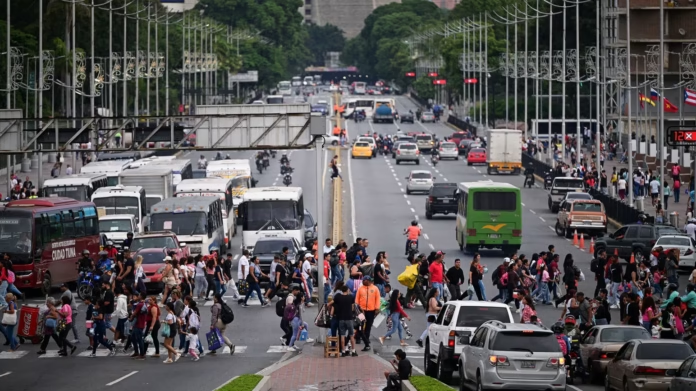
Caracas looks festive on the surface. Christmas lights hang over busy streets, traditional music fills the air, and people continue with their routines. Children go to school, vendors open their shops, and families prepare for the holidays. But beneath this normalcy, fear and uncertainty are spreading as the US military buildup near Venezuela weighs heavily on the population.
For many Venezuelans, the phrase US military buildup is no longer just a news term. It has become something that disrupts sleep, heightens anxiety, and makes even ordinary days feel tense. Victoria, a woman living alone in western Caracas, says she now wakes up at night to check the news, unable to relax. She describes each day as filled with worry and questions about what could happen next.
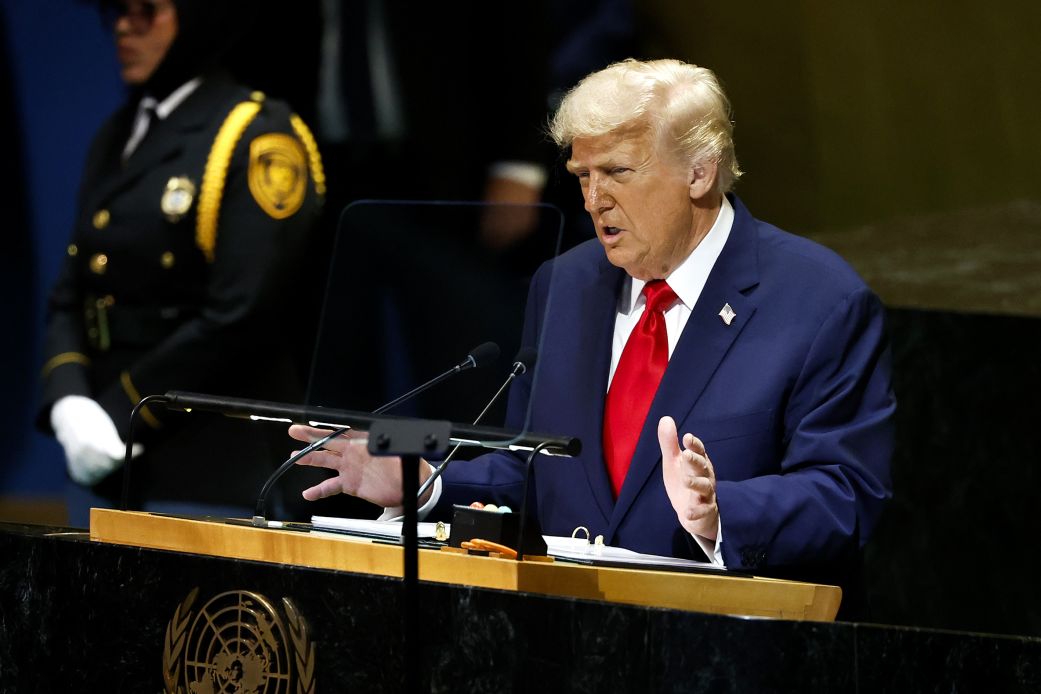
Tension has escalated sharply in recent months as the United States increased its military presence around the Caribbean and near Venezuelan territory. Reports of naval vessels, aircraft patrols, and expanded operations have led Venezuelan authorities to announce preparations and nationwide alerts.
For ordinary citizens, these political and military statements translate into daily fear. People worry about possible attacks, unexpected shortages, disruptions to travel, or sudden emergencies. Many say they feel stuck between two powerful forces with no control over the situation.
Psychologists in Venezuela report a noticeable rise in anxiety, insomnia, and emotional stress. Some people stay overly connected to the news, scrolling late into the night. Others avoid the news entirely because they cannot handle more fear. The constant uncertainty has created a heavy emotional burden.
Experts point out that the impact varies by location and personal situation. A person living near the border may feel greater tension than someone in central Caracas. Those with family abroad often face additional stress, worrying about whether they will be able to reunite or travel safely.
Many Venezuelans say they feel caught in a cycle of hyper vigilance. They try to maintain routines, but their minds remain alert and uneasy.
As unease grows, families, schools, and businesses have begun making quiet preparations. Some private schools in Caracas asked parents to send emergency kits for students containing water, food, medicine, and flashlights. Officially these kits are for general emergencies, but many parents believe they are related to the rising tension.
Businesses are also monitoring road conditions, preparing backup communication plans, and watching supply routes closely. The possibility of sudden disruptions has become part of daily planning.
Air travel has also become more difficult. Several airlines suspended flights to and from Venezuela after new international safety warnings. This left many Venezuelans feeling even more isolated. Some who had planned to visit family abroad, especially during the holiday season, say they now feel trapped.
For many families, the emotional toll of the situation is worsening. December, normally a month of gatherings and celebrations, now feels heavy. Nearly eight million Venezuelans live abroad, and each new restriction makes reunions feel further out of reach.
Individuals returning home for holidays are now reconsidering their plans. Some feel the risk is too great, while others fear being stranded. The result is a growing sense of frustration, sadness, and helplessness.
One Venezuelan living in Brazil said he canceled his trip for his mother’s 80th birthday because he could not risk traveling under current conditions. Many share similar stories of interrupted plans and overwhelming uncertainty.
Venezuela is not in open conflict, but the tension is unmistakable. The presence of foreign military forces, government alerts, and widespread fear have turned ordinary days into a waiting game. Many citizens feel they are living in a fragile calm that could change at any moment.
For now, life continues with a mix of normal activities and quiet anxiety. The impact of the US military buildup is not only geopolitical. It is deeply personal, affecting sleep, relationships, travel, and daily peace of mind.
As the situation unfolds, Venezuelans continue doing what they have always done in difficult times pushing forward despite uncertainty, holding onto hope, and trying to get through each restless night.