Owerri, Nigeria — An Owerri Chief Magistrate Court in Imo State has ordered the remand of a 38-year-old businesswoman, Mrs. Juliet Igwe, at the Owerri Correctional Centre over allegations of grievous harm and attempted murder involving her five-year-old maid, Onyinyechi.
Mrs. Igwe was arraigned on Thursday before Chief Magistrate B. U. Adikibe on a one-count charge of attempted murder, brought by the Imo State Police Command on the authority of the Commissioner of Police.
According to police prosecutors, the charge stems from an incident alleged to have occurred on November 25, during which the minor reportedly sustained severe physical injuries. The prosecution informed the court that the offence is punishable by life imprisonment under Nigerian law.
Based on the gravity of the charge, Magistrate Adikibe ruled that the court lacked jurisdiction to try the matter. She ordered that the suspect be remanded in custody at the Owerri Correctional Centre and directed that the case file be transferred to the Director of Public Prosecutions (DPP) for legal advice.
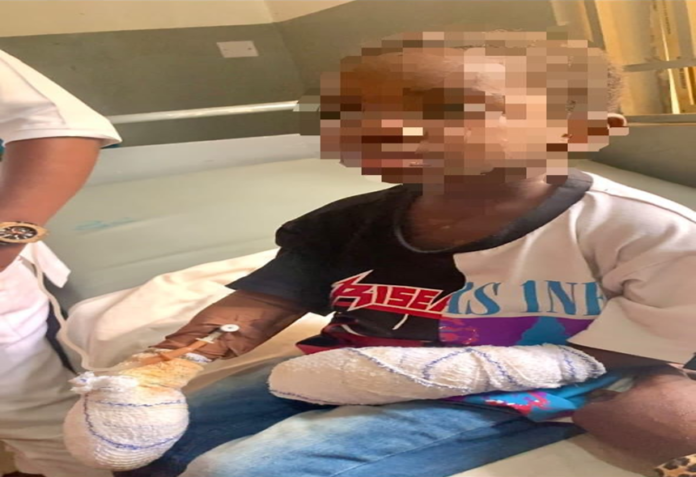
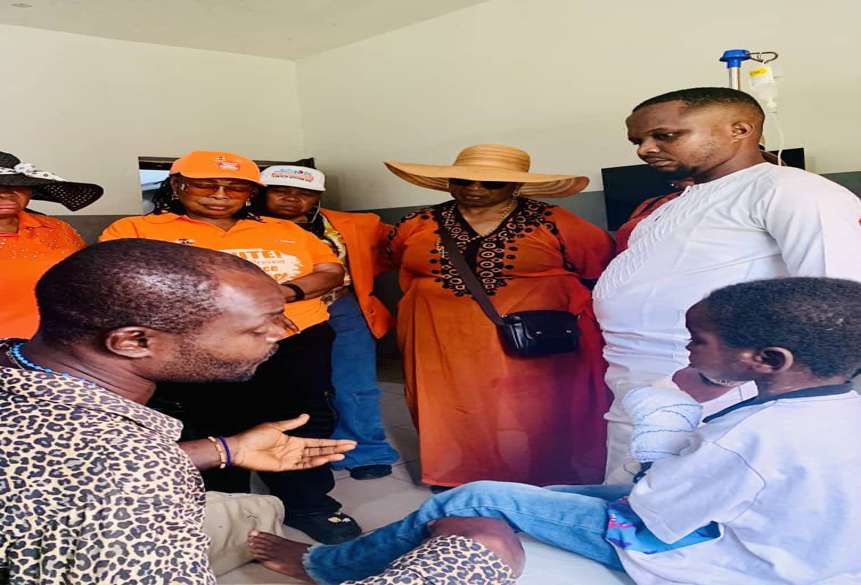
Police documents presented to the court alleged that the child was subjected to prolonged physical abuse, including burns inflicted with candlelight, scalding with boiling water, and multiple other injuries. The victim was reportedly left in critical condition for several days before being rescued.
The case gained public attention following the intervention of the human rights group Stand For Humanity Foundation, which reportedly discovered the child in a critical state and facilitated her rescue. The organisation also assisted law enforcement authorities in the arrest of the suspect on December 4.
Investigations into the matter are ongoing.

Imo State and the Magistrate Court System in Nigeria
Imo State is located in Nigeria’s South-East geopolitical zone and was created in 1976 from the former East Central State. The state has a predominantly Igbo population and is known for its cultural heritage, commercial activity, and high literacy rates. Owerri, the state capital, serves as the administrative and judicial centre of the state.
In recent years, Imo State has faced a number of social and security challenges, including concerns over child welfare, domestic abuse, and the enforcement of child protection laws. Nigeria’s Child Rights Act, which criminalises child abuse, trafficking, and exploitation, has been domesticated in Imo State, making such offences punishable under state law.
Nigeria operates a multi-tiered judicial system consisting of Magistrate Courts, High Courts, appellate courts, and the Supreme Court. Magistrate Courts are lower courts with limited jurisdiction and primarily handle minor criminal offences, preliminary criminal matters, and civil disputes involving smaller claims.
In criminal cases involving serious offences such as attempted murder which carry severe penalties including life imprisonment, Magistrate Courts do not have the authority to conduct full trials. Their role in such matters is restricted to arraignment and remand proceedings. Cases are then transferred to the State High Court after review and legal advice from the Director of Public Prosecutions (DPP), a senior legal officer under the State Ministry of Justice.
The Director of Public Prosecutions, an office under the State Ministry of Justice, reviews case files submitted by the police to determine whether there is sufficient evidence to proceed with prosecution. If approved, the case is then filed before the High Court, which has the constitutional authority to try capital and life-imprisonment offences.
Owerri Correctional Centre, where the suspect has been remanded, is a custodial facility under the Nigerian Correctional Service, housing both convicted inmates and individuals awaiting trial.
Cases involving alleged child abuse and domestic violence often attract significant public scrutiny in Nigeria, particularly as advocacy groups continue to push for stricter enforcement of child protection laws and faster judicial processes.
Child Protection Laws in Nigeria, Ghana, and International Jurisdictions
Nigeria’s legal framework for protecting children is primarily based on the Child Rights Act (CRA) of 2003, which criminalises child abuse, neglect, exploitation, trafficking, and harmful practices. The law provides penalties for physical and psychological harm inflicted on minors and mandates government authorities to act in the best interests of the child.

By comparison, Ghana has developed a more centralised and coordinated child protection system.
Ghana’s Children’s Act, 1998 (Act 560) provides a comprehensive legal framework addressing child abuse, neglect, exploitative labour, and trafficking. The law is reinforced by institutions such as the Department of Social Welfare, Domestic Violence and Victim Support Unit (DOVVSU) of the Ghana Police Service, and specialised family tribunals.
In Ghana, severe child abuse cases are often prosecuted alongside charges under the Criminal Offences Act, which allows for stiff prison sentences. Mandatory reporting obligations for professionals and stronger collaboration between police, social workers, and health services have improved early detection, though challenges remain in rural and underserved communities.
Other International Comparisons Highlight Differing Approaches
United Kingdom — The UK operates under the Children Act 1989 and subsequent child safeguarding legislation, which imposes a statutory duty on local authorities to intervene when a child is at risk. Multi-agency safeguarding hubs, mandatory reporting standards, and child protection orders allow authorities to act swiftly. Severe physical abuse or attempted murder of a child carries lengthy prison sentences.
United States — Child protection in the U.S. is governed by a mix of federal and state laws, including the Child Abuse Prevention and Treatment Act (CAPTA). While legal standards vary by state, serious abuse cases often result in felony charges, long-term imprisonment, and permanent loss of parental rights. Child Protective Services (CPS) agencies play a central role in investigation and intervention.
South Africa — South Africa’s Children’s Act 38 of 2005 criminalises abuse and neglect and mandates reporting by healthcare workers, educators, and social service professionals. Dedicated children’s courts and specialised prosecutors are used to fast-track serious cases involving minors.
Kenya — Kenya’s Children Act 2001 establishes children’s courts and child protection units within the police service. The law emphasises rehabilitation of victims and criminal accountability for offenders, with increasing use of child-friendly court procedures.
Compared with Ghana and several other jurisdictions, Nigeria continues to face structural and enforcement gaps despite having a strong statutory framework.
Human rights advocates argue that consistent implementation of the Child Rights Act, stronger child welfare services, faster prosecution of abuse cases, and improved public awareness are critical to preventing extreme abuse and ensuring justice for victims.