The investigation into the Brown University shooting suspect unfolded with unusual speed and precision, combining public tips, digital trails, and old academic connections to solve a case that initially appeared isolated. What began as a campus tragedy in Rhode Island quickly expanded into a multistate manhunt that ended five days later, with authorities confident they had identified the same individual responsible for both the Brown University attack and the killing of an MIT professor.
This case highlights how modern investigations rely on both traditional police work and unexpected civilian input to piece together complex crimes.
At first, law enforcement saw no obvious link between the fatal shooting at Brown University and the killing of an MIT professor at his home in Massachusetts two days later. The incidents occurred about 50 miles apart and targeted very different victims. However, that assessment changed as investigators began reviewing evidence from the second crime scene.
The turning point came with a rental car. Surveillance footage and transaction records showed that the same vehicle appeared near both locations. Once investigators focused on that connection, the broader picture began to take shape. According to authorities, this was when the Brown University shooting suspect investigation accelerated.
Public tips proved crucial. Court records later revealed that a Brown University custodian had noticed a masked individual inside the Barus and Holley building weeks before the shooting. The person’s clothing and behavior stood out, and those observations became more significant once surveillance images were released.
Another tip came from a Reddit user who reported seeing a gray Nissan with Florida plates near the shooting scene. Investigators tracked down the poster, who provided a detailed account of encountering a man whose movements appeared suspicious. This information helped police match the suspect’s behavior with video evidence, reinforcing the rental car link.
These contributions underscore how civilians can play a decisive role when they speak up.
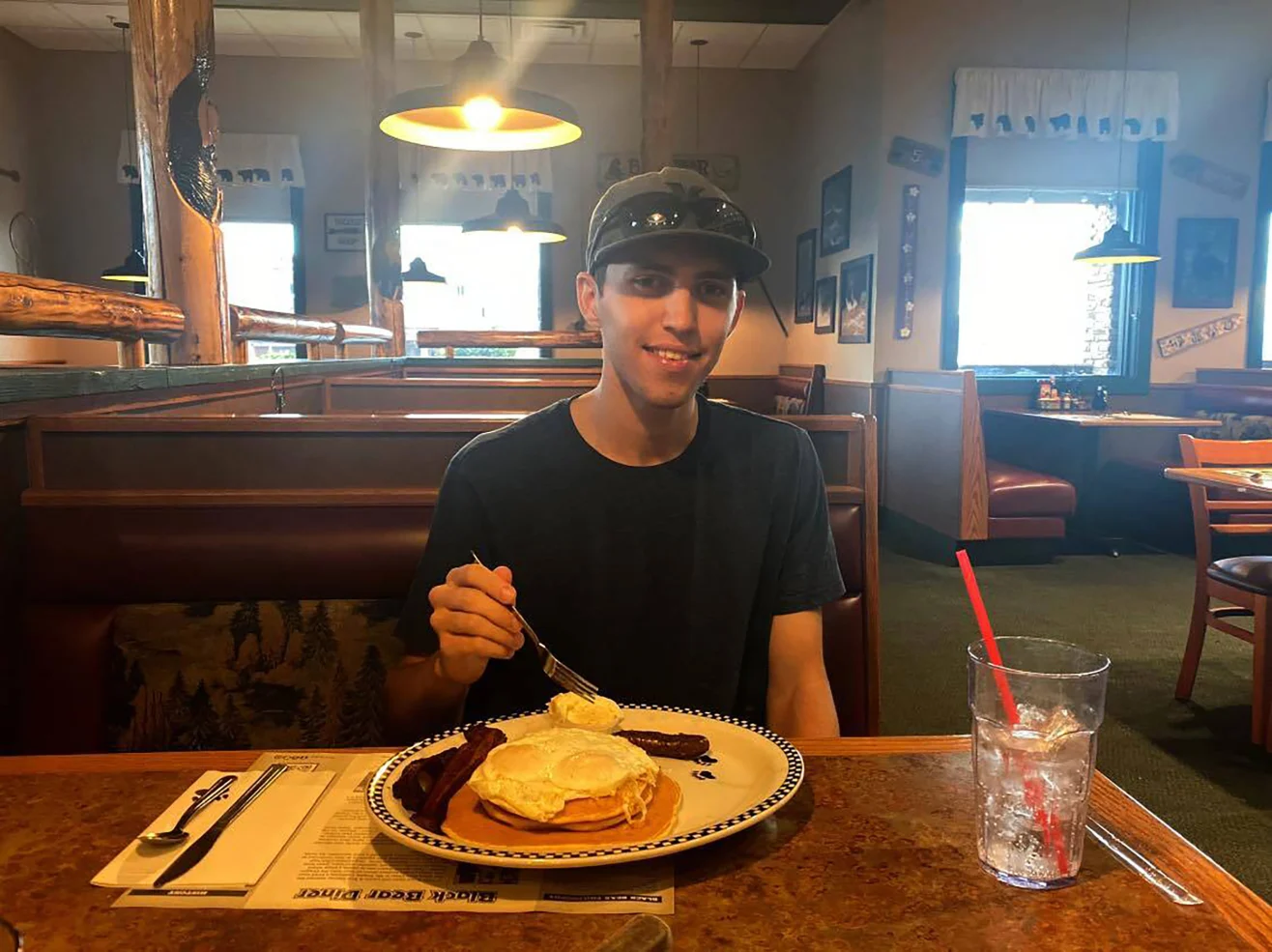
As the investigation widened, authorities uncovered a deeper personal connection. The suspect, identified as Claudio Neves Valente, and the MIT professor, Nuno Loureiro, were both Portuguese nationals who had attended the same academic program in Lisbon during the late 1990s.
Investigators now believe the professor was specifically targeted, while the Brown University victims were not personally known to the suspect. This distinction remains central to understanding motive, which authorities say is still under investigation.
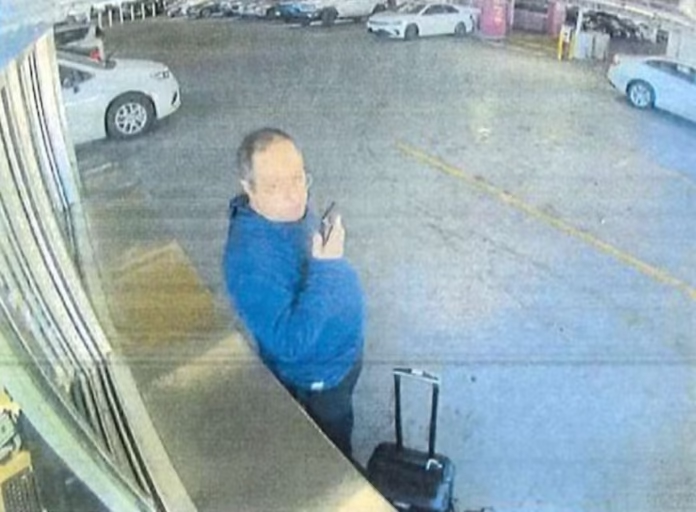
Financial records, license plate data, and extensive security footage placed the suspect near the professor’s residence around the time of the killing, further strengthening the case.
After the Massachusetts shooting, license plate readers flagged a vehicle believed to be connected to the suspect. That alert led authorities to a storage facility in Salem, New Hampshire. Surveillance footage showed the suspect entering the unit wearing the same clothing seen earlier in Boston.
When officers searched the facility, they found the suspect deceased, along with firearms and other items believed to be connected to the crimes. Officials stated there was no indication of additional suspects, concluding that he acted alone.
The Brown University shooting suspect investigation illustrates how layered modern criminal investigations have become. Surveillance cameras, online tips, academic records, and financial tracking all played a role. None of these elements alone solved the case, but together they created a clear narrative.
It also raises difficult questions that remain unanswered, including why the suspect returned to a campus he attended decades earlier and why a former classmate was targeted so many years later.
The Brown University shooting suspect investigation shows how quickly law enforcement can connect complex cases when evidence, technology, and public cooperation align. While the motive may never be fully understood, the case offers a sobering example of how past connections, overlooked details, and everyday observations can converge to reveal the truth.