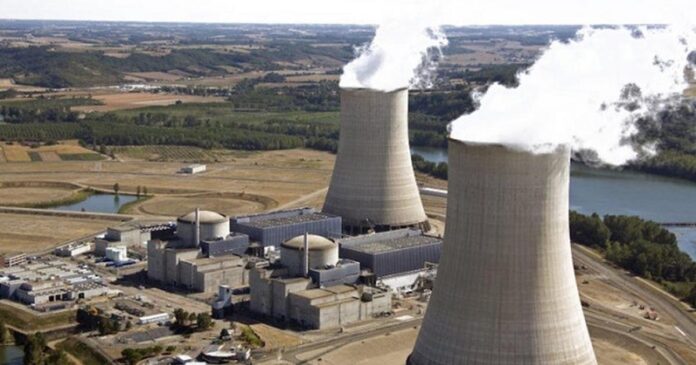
Ghana is moving ahead with plans to join the growing number of African nations turning to nuclear power, aiming to begin construction of its first nuclear plant by 2027 as part of a broader effort to diversify its energy mix and expand electricity access.
Officials say two sites have already been identified for nuclear facilities, one intended for a large-scale power plant in the Western Region, and another for a smaller industrial-focused installation in the Central Region. Preparatory work, including land acquisition and regulatory steps, is now underway.
Two Sites Identified as Government Prepares for Construction Launch
Deputy Director at the Ministry of Energy and Green Transition, Dr. Robert Sogbadji, confirmed that the government is advancing its nuclear programme with the intention of breaking ground within the next two years.
“We have two sites which have been identified where we want to put our new nuclear power plant. One will host the large power plant and the other a small plant in an industrial enclave,” he said on the sidelines of the 9th Ghana Energy Awards.
He added that land acquisition efforts are ongoing, along with work toward a power purchase agreement. “Roughly by 2027, we should be able to cut sod for construction.”
The ministry has also set a six-month target to accelerate electricity access nationwide to 90%, as part of a wider green transition strategy.
IAEA Mission Confirms Strong Preparedness
Ghana hosted its first International Atomic Energy Agency (IAEA) Site and External Events Design Review mission in February 2025. The team which included experts from Pakistan, Turkey, the UK and the United States assessed site suitability, selection criteria and safety compliance.
The Nsuban site in the Western Region was identified as the preferred location, with Obotan in the Central Region serving as a backup.
Mission leader Kazuyuki Nagasawa said Ghana’s preparations met international standards. “The implementing organisation and management system are well-designed, and the Site Approval Report has been thoroughly prepared. Ghana followed IAEA safety standards in the site selection process,” he said.
Major International Firms Competing for Ghana’s First Nuclear Contract
Although Ghana has not yet announced which company will build the reactor, global competition is intensifying.
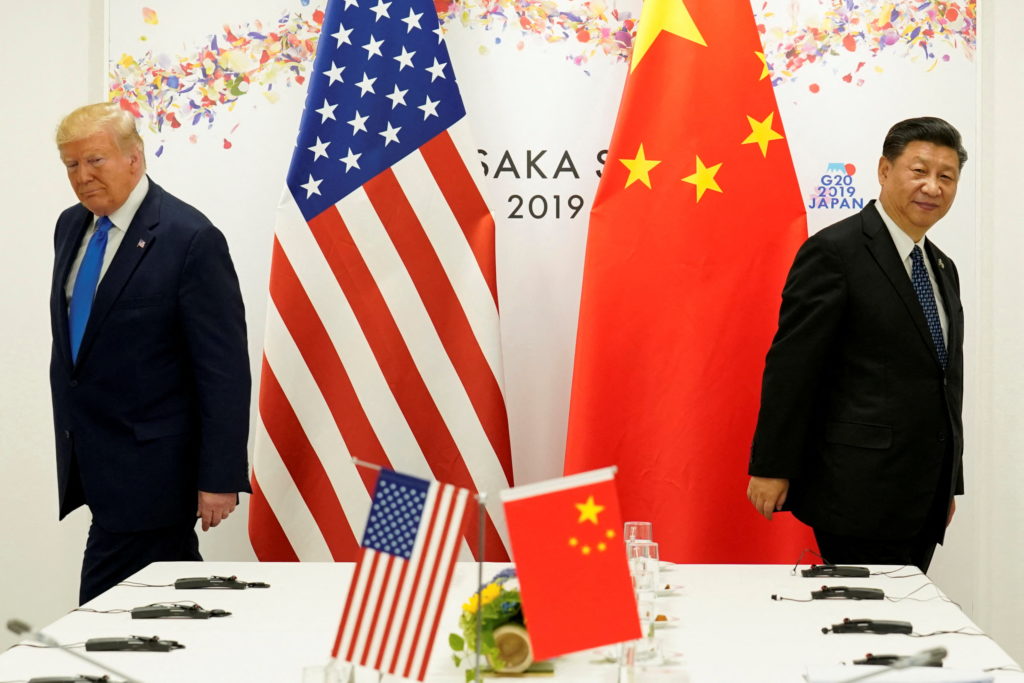
A Reuters report last year cited several interested bidders, including:
EDF (France) | NuScale Power and Regnum Technology Group (United States)
China National Nuclear Corporation (China) | Kepco and Korea Hydro & Nuclear Power Corporation (South Korea)
Rosatom (Russia)
The construction contract is expected to span at least a decade and could become one of Ghana’s largest infrastructure undertakings.
Russia’s Rosatom, in particular, has expanded its footprint across Africa, backing Egypt’s El Dabaa nuclear project, nuclear research centres in Rwanda and Zambia, and ongoing negotiations with Nigeria.
Africa’s Nuclear Momentum Builds
Across the continent, governments are increasingly embracing nuclear energy to address chronic power shortages and support industrialisation.
South Africa remains the only country operating a commercial nuclear plant, the Koeberg Nuclear Power Station, which continues to supply reliable baseload power. Egypt’s El Dabaa plant is expected to come online by 2028, marking another major milestone for the region.
Ghana’s entry would place it among a small group of African nations investing in nuclear generation to complement hydro, solar and thermal power sources.
Dr. Sogbadji said the move is central to Ghana’s long-term energy transition.
“This year we laid the foundation; next year we are springing up because we are trying to reach universal access to electricity,” he noted.
Analysts say Ghana will need to navigate complex financing requirements, regulatory approvals and technical demands before any reactor becomes operational. These are challenges already faced by other African states pursuing nuclear energy as part of their development strategies.
Still, officials insist the 2027 construction target is realistic, provided the government secures its technology partner and maintains political and financial momentum.
This article was first published on Business Insider Africa