Ethiopian police have arrested nine TikTok creators this week, accusing them of violating cultural norms in the socially conservative country.
Six were detained over their outfits at the Ethiopia Creative Awards two weeks ago, while the others were arrested for content police deemed inappropriate on TikTok — including what authorities described as an “inappropriate act” during a livestream.
The arrests have sparked a heated debate across Ethiopian social media, dividing opinion between those who see the detentions as an attack on creative freedom and conservatives who argue that public figures must uphold cultural values.
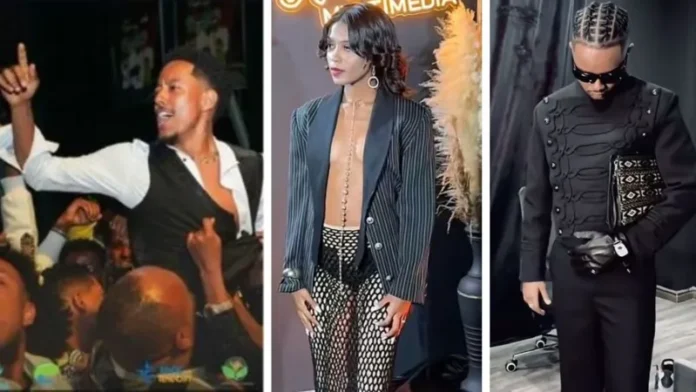
Among those arrested over their attire was 25-year-old lifestyle creator Adonay Berhane, who has nearly four million followers and was named TikToker of the Year at the awards. He appeared at the event wearing an open-necked shirt.
Lifestyle and fashion influencer Wongelawit Gebre Endrias, known as Evan, was detained after appearing braless under an oversized blazer. Dancer and content reviewer Yohannes Mekonnen or Jahnny was also arrested after attending the ceremony with a man-bag.
None of the six have spoken publicly about their treatment.
Police said three additional creators Bereket Tsegaye, Mekdim Dereje, and Girum Gezahegn were arrested on Thursday for content that allegedly violated “good behavior and ethics”. Two were accused of participating in the livestream incident.
Families of those detained expressed shock. Adonay’s mother, Abeba Gebru, told BBC Tigrinya that her son is her “backbone” and a role model for Ethiopian youth. After spending his teenage years in Canada, Adonay returned to Ethiopia and often urges his followers not to emigrate.
The government has not commented on the arrests. Police say the creators are suspected of promoting behavior that undermines public morality, pointing to concerns about the influence of online trends on Ethiopia’s youth.
With more than eight million social media users, the case underscores growing tensions between Ethiopia’s fast-expanding digital culture and traditional expectations. Federal police warned that further action would be taken against anyone “violating the country’s cultural values” or promoting what they called “shallow culture.”