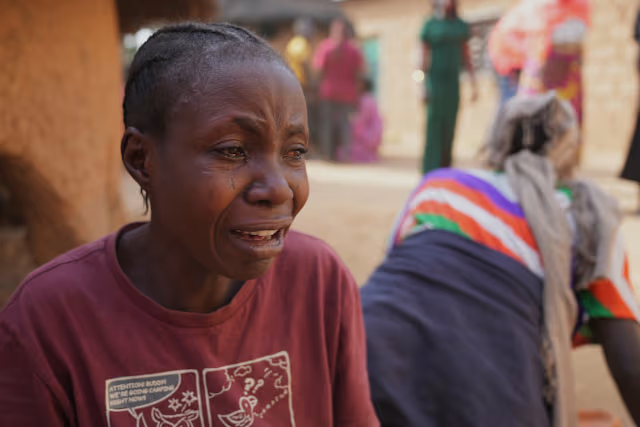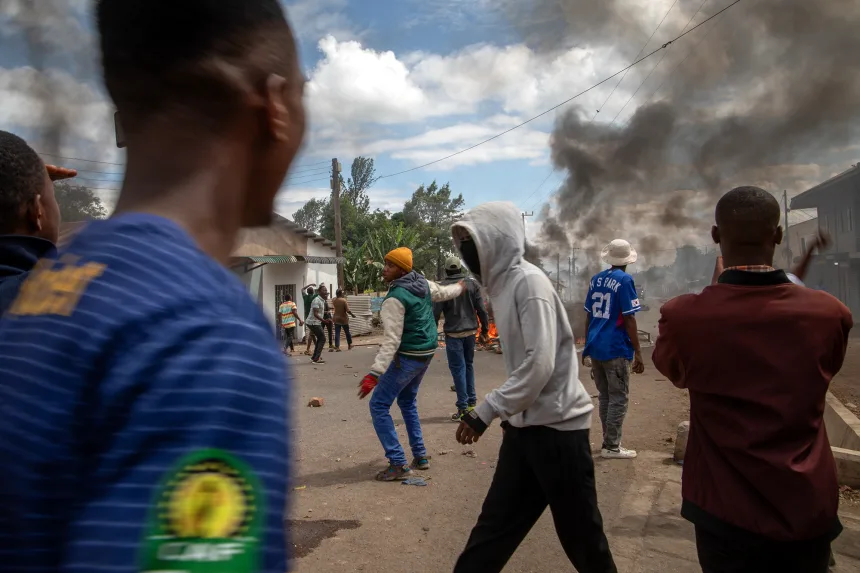
In a tragic incident, a suicide bomber detonated explosives in a market in northeastern Nigeria’s Borno state, resulting in the deaths of at least 10 people and injuring several others, police confirmed on Saturday.
The explosion occurred late Friday in the Konduga area, approximately 40 kilometers (25 miles) from Maiduguri, the capital of Borno state, as reported by police spokesperson Nahum Daso to The Associated Press.
Ongoing Violence in the Region
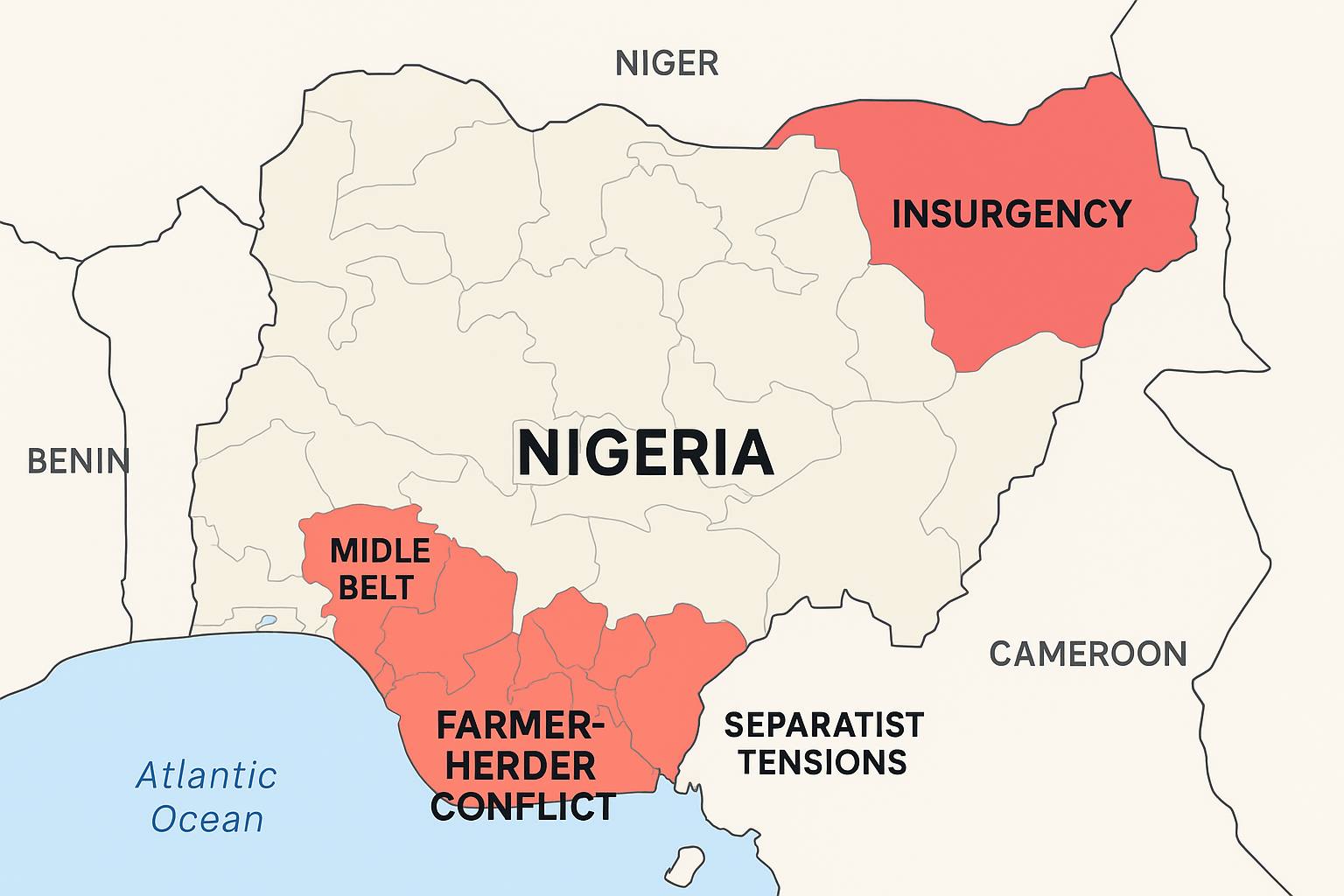
While no group has claimed responsibility for the attack, northeastern Nigeria has been plagued by violence from militant groups, notably Boko Haram and its offshoot, the Islamic State West Africa Province. Since Boko Haram began its insurgency in 2009, the conflict has not only devastated Nigeria but has also impacted its neighboring countries.
According to the United Nations, the violence has resulted in roughly 35,000 civilian deaths and displaced over 2 million people in the region.
Unfulfilled Promises for Security Improvement
Despite assurances from President Bola Tinubu’s administration to tackle Nigeria’s security issues, incidents of violence continue to rise, raising concerns about the effectiveness of current measures to protect civilians and restore peace in the affected areas.
The Insurgency in Northeast Nigeria
The suicide bombing in Konduga is the latest tragedy in a complex and protracted conflict rooted in the rise of the jihadist group Boko Haram in 2009. The group’s initial aim was to establish an Islamic state in Nigeria, rejecting Western education and secular governance. Its violent insurgency quickly engulfed the northeastern states of Borno, Adamawa, and Yobe.
Key Factors in the Conflict
Territorial Control
At its peak around 2014-2015, Boko Haram controlled swathes of territory, including major towns. While a concerted multinational military effort has since pushed them out of most urban centers, the groups remain potent, operating from hideouts in the vast Sambisa Forest and the Lake Chad basin.
Factionalization
The movement split in 2016, leading to the formation of a major offshoot, the Islamic State West Africa Province (ISWAP), which pledged allegiance to the Islamic State. ISWAP and the original Boko Haram faction (now led by Abubakar Shekau until his death in 2021) have often competed for resources and influence, with ISWAP typically focusing more on military and state targets while Boko Haram has been notorious for indiscriminate attacks on civilians.
Humanitarian Catastrophe
As noted by the UN, the conflict has caused one of the world’s most severe humanitarian crises. Beyond the direct death toll, the violence has disrupted agriculture, trade, and education, pushing millions into extreme hunger and creating a generation of children with limited access to schooling.
Regional Spillover
The conflict has destabilized the entire Lake Chad region, with significant impacts on Cameroon, Niger, and Chad. These countries formed a Multinational Joint Task Force (MNJTF) with Nigeria to combat the militants.
Government Response
The attack underscores the persistent vulnerability of civilians, particularly in semi-urban and rural areas. Markets and displacement camps have been frequent targets.
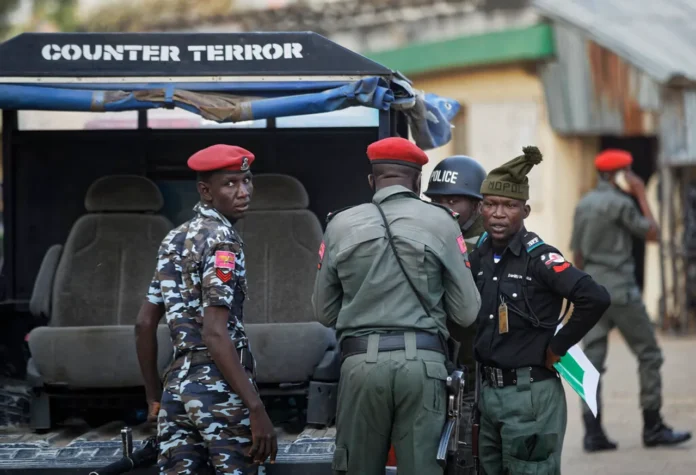
President Bola Tinubu, who took office in May 2023, has prioritized security, restructuring the military leadership and pledging a more proactive, intelligence-driven approach. However, as this attack demonstrates, militant groups retain the capability to launch devastating strikes, exposing gaps in intelligence and perimeter security around population centers.
The continued violence fuels public frustration and raises difficult questions about the balance between large-scale military operations and the implementation of effective community policing, deradicalization programs, and development initiatives needed to address the underlying drivers of the conflict.