The debate over transparency in US military operations has taken a new turn in Washington, as lawmakers push for access to unedited footage from controversial Caribbean boat strikes. The latest defense policy bill contains an unusual condition that would limit Hegseth’s travel budget unless the Pentagon hands over the complete video. That clash between congressional oversight and military secrecy lies at the heart of this growing showdown.
Congress often uses the National Defense Authorization Act to set boundaries for the Pentagon, but tying financial limits to a demand for classified video is uncommon. The provision would withhold a quarter of Hegseth’s travel budget until lawmakers receive unedited footage of strikes carried out against suspected terrorist targets in the Southern Command region.
The requirement was written after rising questions about a September 2 operation involving two strikes on a suspected drug boat. The second strike, which hit surviving crew members from the initial attack, has fueled fierce debate over legality and procedure.
For many lawmakers, the request is simple: show the full video so Congress and the public can make informed judgments. Several senior members have already viewed the classified recording, but opinions remain sharply divided.
Senate Majority Leader John Thune avoided directly saying whether the video should be released publicly, but acknowledged that oversight will continue. Other influential voices have been far more direct. The chair of the Senate Intelligence Committee says he is comfortable with making the footage public. In the House, Democratic leaders argue that Americans deserve to see the full context behind the operation, especially after conflicting descriptions from different branches of government.
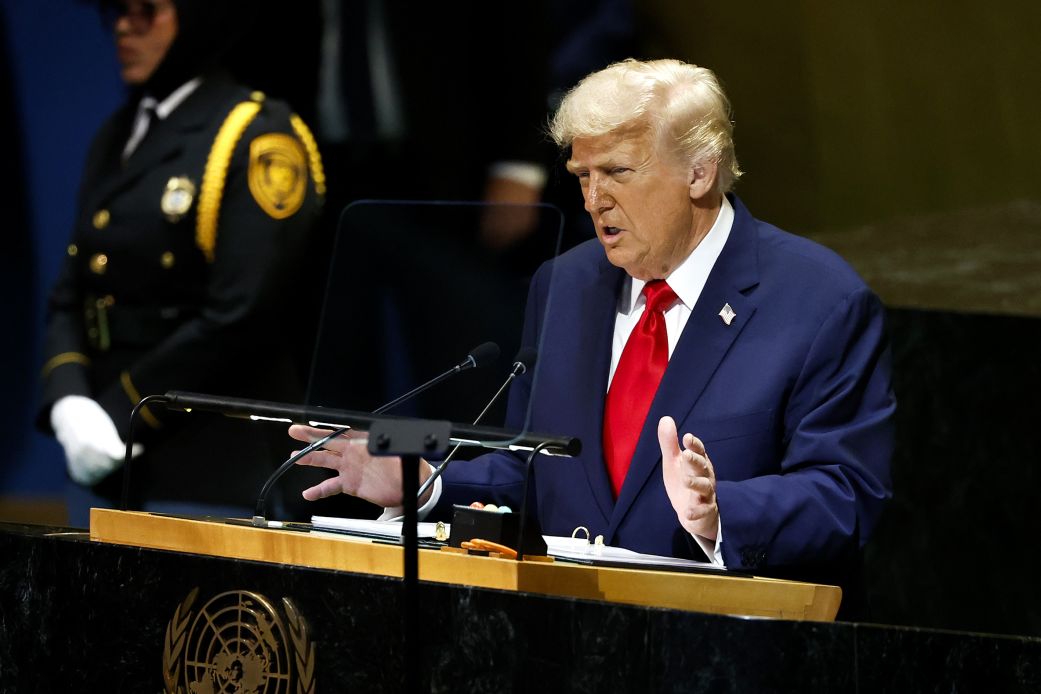
The insistence on transparency is partly driven by President Trump’s decision to post footage of the first strike to social media shortly after the operation. When later reporting revealed that a second strike took place, critics accused the administration of withholding crucial details.
Trump has since said he would certainly release the video of the follow-up attack. Hegseth has taken a more cautious tone, noting that officials must weigh the safety of US operators who continue similar missions.
In private meetings on Capitol Hill, Adm. Frank Bradley has defended the decision-making that led to the second strike. Lawmakers who watched the video were allowed to ask pointed questions about rules of engagement, identification procedures, and timelines.
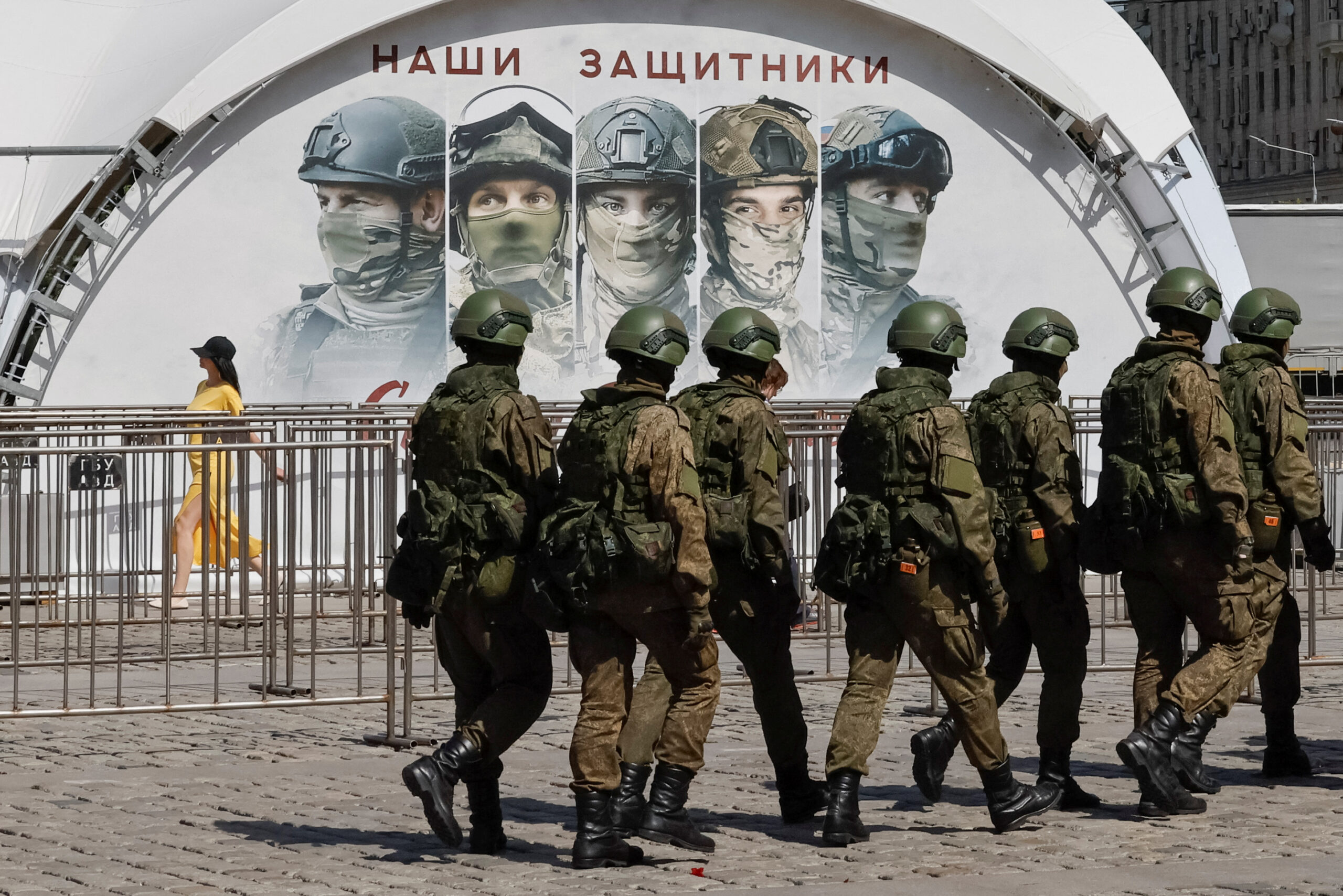
The defense bill includes additional demands, such as a report summarizing lessons learned from the war in Ukraine. These layers of oversight show how Congress is attempting to reclaim influence amid concerns about the expansion of executive military power.
With debates intensifying and political divisions deepening, the battle over Hegseth’s travel budget could shape future expectations for transparency in US military operations. Congress wants clarity, the Pentagon wants caution, and the public wants the truth. What happens next will determine how much access lawmakers truly have, and whether the Hegseth’s travel budget becomes a symbol of accountability or another flashpoint in a long-running power struggle.