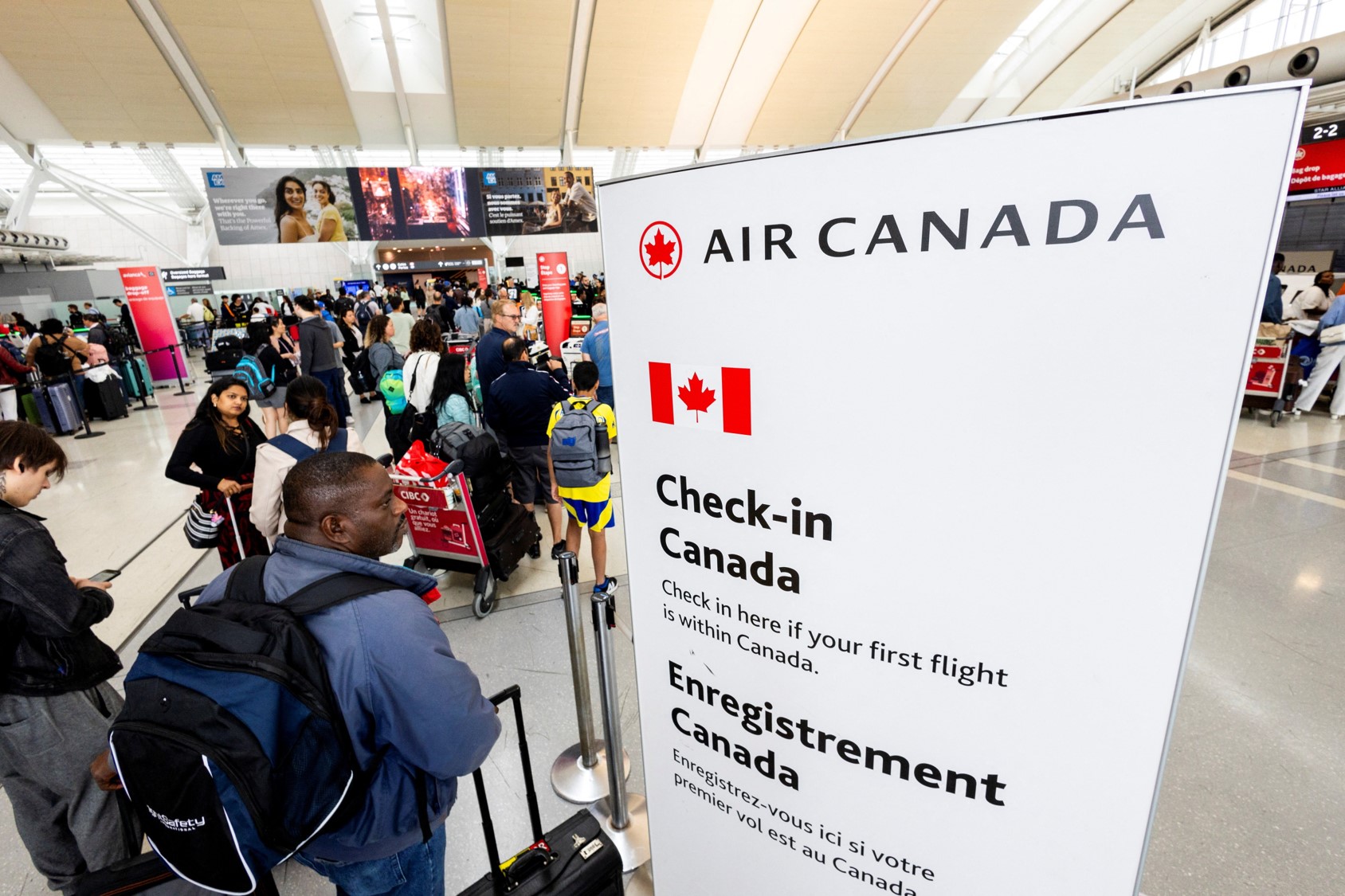
Air Canada and the Canadian Union of Public Employees (CUPE), which represents about 10,000 flight attendants, reached a tentative agreement Tuesday morning to end a strike that had grounded flights for three days and disrupted travel for hundreds of thousands of passengers.
The deal was brokered through mediator William Kaplan and includes compensation for boarding and unloading time — a key issue in the dispute. While full details have not yet been released, CUPE declared the agreement a turning point.
“Unpaid work is over,” the union said in a statement. “We have reclaimed our voice and power.”
Air Canada said it would begin gradually resuming flights Tuesday evening, though the airline warned it could take up to a week or more to fully restore its schedule due to the cascading effects of grounded planes and displaced crews. Air Canada Express flights were not affected by the strike.
The walkout began early Saturday but was quickly complicated by a government back-to-work order. Federal Labour Minister Patty Hajdu invoked binding arbitration within hours, a decision upheld by the Canada Industrial Relations Board on Monday. Despite that ruling, the strike continued until Tuesday’s breakthrough. CUPE President Mark Hancock had defiantly said he was prepared to face jail time, accusing Air Canada of relying on government intervention instead of bargaining in good faith.
Air Canada President Michael Rousseau issued an apology to customers, saying the airline deeply regretted the disruption to roughly 130,000 travelers each day. Affected passengers will be offered refunds, credits, or rebookings on other carriers where possible.
CUPE hailed the outcome as a “historic fight to affirm our Charter rights,” signaling the deal could set a precedent for future labor negotiations in Canada’s airline industry.