
Scientists in Italy have discovered thousands of dinosaur footprints high in the Alps, close to the site of the 2026 Winter Olympics. The tracks were found on steep cliffs in Stelvio National Park, near the town of Bormio in northern Italy. This area will host skiing events during the games.
The footprints cover about five kilometres along the cliffs. Some prints are very large, about 40 centimetres wide, showing clear marks of toes and claws. Experts say the tracks are more than 200 million years old. At that time, this part of the Alps was a flat coastal area near the ancient Tethys Ocean, not tall mountains.
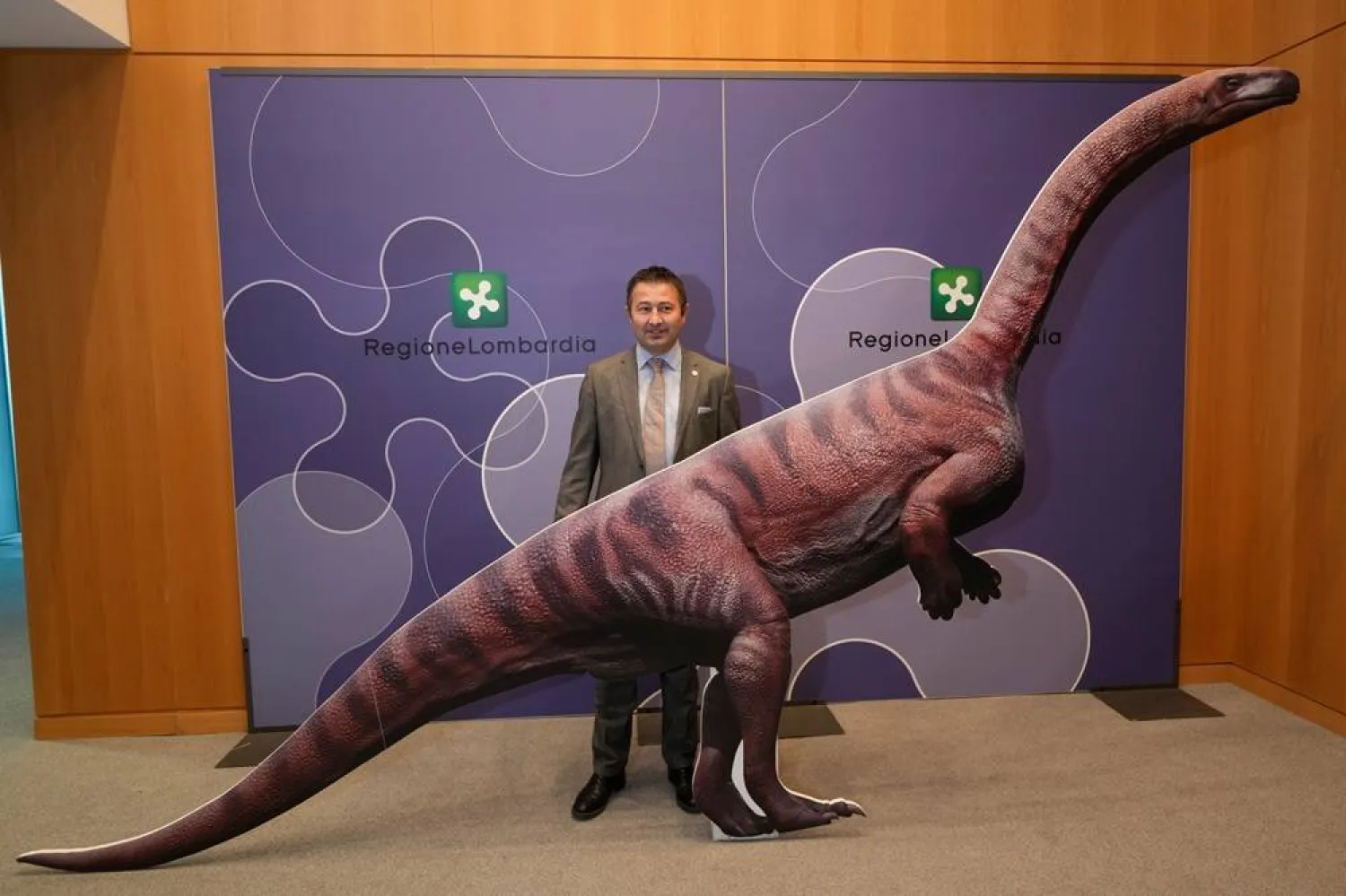
Scientists believe the footprints were made by herds of long-necked plant-eating dinosaurs, similar to plateosaurs. The dinosaurs walked on soft mud, leaving deep marks that later turned into rock. Over millions of years, the land shifted, and these tracks are now on nearly vertical cliffs.
The discovery is one of the largest and most important dinosaur footprint sites in Italy. It was first noticed by a wildlife photographer in September. His photos led scientists to study the site closely.
Because the cliffs are steep and remote, people cannot easily visit. Researchers plan to use drones and other tools to map the tracks and study them more. Local officials and the Winter Olympics organizers welcomed the discovery, calling it a special scientific find ahead of the games.
This discovery helps scientists learn more about how dinosaurs lived and moved millions of years ago. It also shows how much the Earth’s landscape has changed over time.