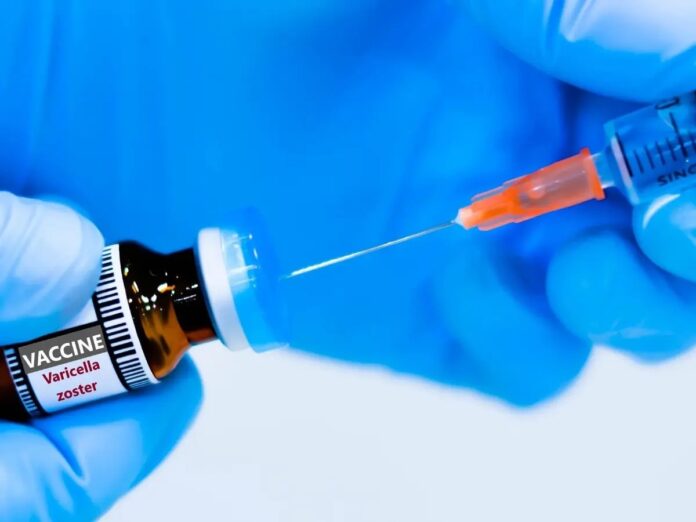
New research has found that the shingles vaccine may do more than prevent painful rashes. People who receive the shingles shot appear to have a significantly lower chance of developing dementia later in life, offering hope in the fight against memory loss and brain aging.
Researchers studied the health records of older adults who were offered the shingles vaccine as part of a public health program. The study looked at thousands of people over a seven‑year period and found that those who got the vaccine were around 20% less likely to be diagnosed with dementia compared with those who did not receive the vaccine.
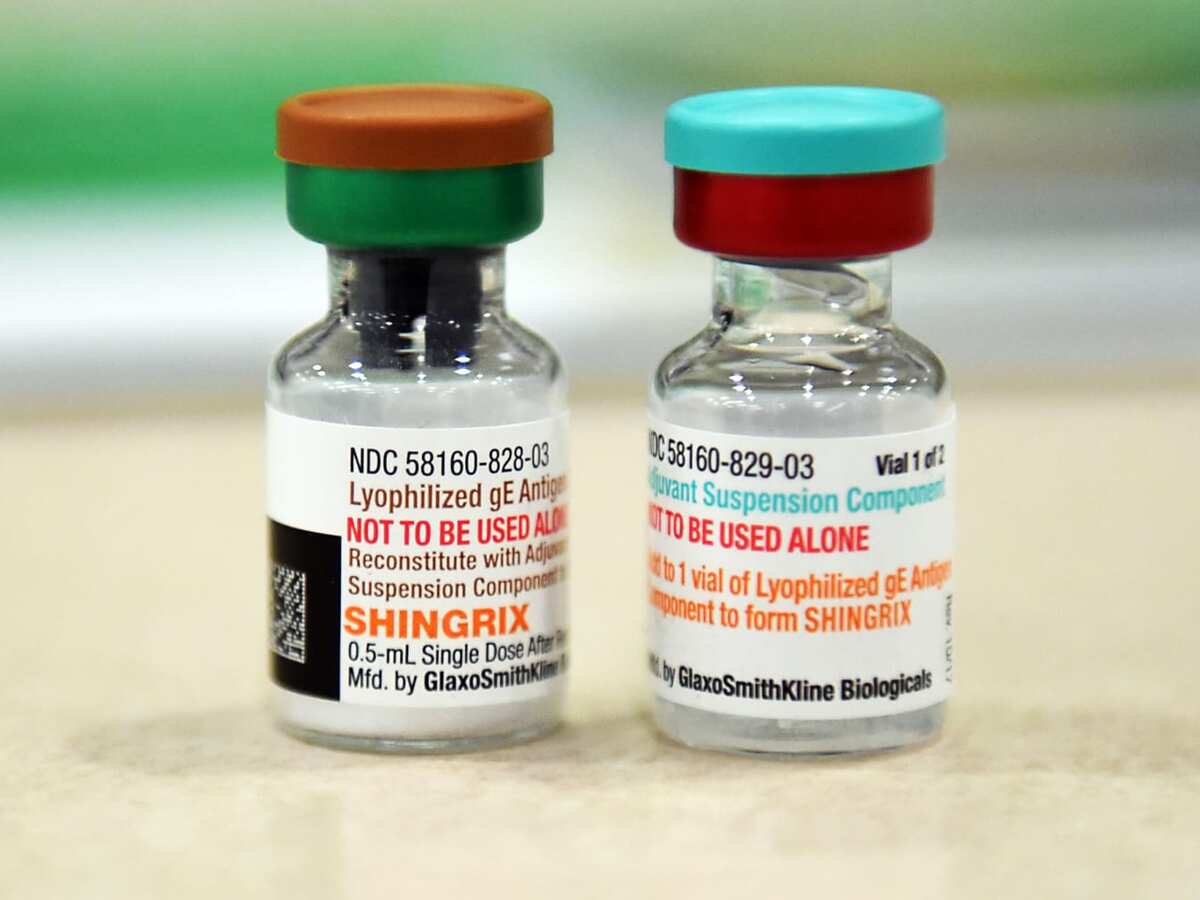
Doctors and scientists say this could be an important discovery because dementia which affects memory, thinking, and daily living has no cure and a growing number of people develop it as they age. The findings suggest that vaccinated individuals not only had fewer cases of dementia, but also showed signs of slower disease progression if they already had cognitive decline.
Shingles is caused by the reactivation of the chickenpox virus in the body, and it most often affects older adults. The vaccine helps stop this reactivation and protects people from painful symptoms. But the new research goes further, linking the shingles shot to brain health in surprising ways.
In addition to reducing new cases of dementia, some studies have found that people who were already living with the condition experienced slower progression after vaccination. In particular, vaccinated individuals were less likely to die from dementia over the follow‑up period, suggesting the vaccine might help the brain stay healthier for longer.
Health experts caution that these results do not prove that the vaccine directly lowers dementia risk. Other factors, such as overall health and lifestyle, may also play a role. Still, the results are promising and could lead to new research on how vaccines help protect the brain.
Scientists are now calling for more studies to confirm how the shingles vaccine works in the brain and whether certain types of shingles vaccines offer stronger protection than others. If future research supports these findings, the shingles vaccine could become an important tool in preventing dementia and improving quality of life for older adults everywhere.