The United States will impose sanctions on more than 500 entities and individuals on Friday to mark the second anniversary of Russia’s full-scale invasion of Ukraine, according to Deputy US Treasury Secretary Wally Adeyemo.
The measures, coordinated with international partners, are intended to further weaken Russia’s ability to wage war and to hold Moscow accountable for both the conflict in Ukraine and the death of Russian opposition leader Alexei Navalny.
Speaking to Reuters, Adeyemo said the new sanctions package would focus heavily on Russia’s military-industrial complex, as well as companies in third countries that help Russia obtain goods and technologies it needs to sustain the war. He stressed that the effort is multinational, not solely a US initiative.
“Tomorrow we’ll release hundreds of sanctions just here in the United States, but it’s important to step back and remember that it’s not just America taking these actions,” Adeyemo said, underscoring the coordinated approach with allies.
The announcement marks the latest round in a sweeping sanctions regime imposed by the US and its partners since Russia launched its invasion in February 2022.
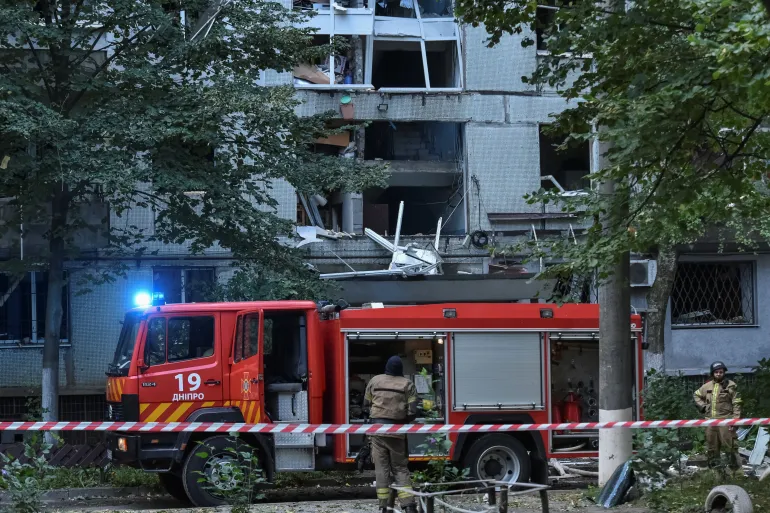
Since then, tens of thousands of people have been killed and large swathes of Ukrainian cities and infrastructure have been devastated. Washington and its allies have rolled out thousands of penalties targeting Russian banks, companies, officials, and sectors of the economy seen as critical to the Kremlin’s war effort.
One of the most prominent measures has been the oil price cap introduced by the US and its allies, aimed at curbing Russia’s revenue from energy exports while avoiding disruption to global oil supplies.
Under the mechanism, a coalition including the G7, the European Union, and Australia set a cap of $60 per barrel on Russian crude.
The policy forces Russia to either sell oil at a discount to coalition countries or invest heavily in alternative shipping, insurance, and financial arrangements outside the Western system.
In recent months, the coalition has said it intends to tighten enforcement of the price cap, responding to concerns that Russia has found ways to partially circumvent the restrictions.
Adeyemo said the latest sanctions package, which the Treasury described as the largest single tranche since the war began, is designed to reinforce that pressure and close loopholes.
The move comes at a politically sensitive moment in Washington. While the Biden administration remains committed to supporting Ukraine, doubts persist over whether the US Congress will approve additional security assistance for Kyiv.
Funds previously authorized for Ukraine have largely been exhausted, and a request for new aid is stalled in the Republican-controlled House of Representatives.
“Sanctions and export controls are geared towards slowing Russia down, making it harder for them to fight their war of choice in Ukraine,” Adeyemo said. “But ultimately, in order to speed Ukraine up, to give them the ability to defend themselves, Congress needs to act to give Ukraine the resources that they need and the weapons they need.”
Some experts have cautioned that sanctions alone are unlikely to halt Russia’s military campaign. Peter Harrell, a former National Security Council official, said congressional action on military aid would be far more consequential than additional economic penalties.
“What Congress does to pass additional military assistance to Ukraine is going to matter far, far more than anything else they could do on the sanctions front,” Harrell said.
US officials maintain that sanctions have inflicted significant damage on Russia’s economy. The Treasury Department said in December that Russia’s economy contracted by 2.1% in 2022 as a result of the measures.
Rachel Lyngaas, the Treasury’s chief sanctions economist, said Russia’s economy is now more than 5% smaller than had been forecast before the invasion.
However, Russia’s economic performance has exceeded some expectations. The International Monetary Fund in January projected Russia’s GDP would grow by 2.6% in 2024, a sharp upward revision from its October estimate, following growth of about 3.0% in 2023.
IMF spokesperson Julie Kozack said this reflected Russia’s shift to a “war economy,” with heavy military spending boosting industrial output, government transfers supporting consumption, and inflationary pressures building despite declines elsewhere.
Against this backdrop, Senate Majority Leader Chuck Schumer traveled to Ukraine on Friday in an effort to reassure President Volodymyr Zelenskiy and other Ukrainian officials that US support will continue.
The visit comes as a $60 billion aid package for Ukraine remains blocked in the House, despite the Senate passing a broader $95 billion bill last week to assist Ukraine, Israel, and Taiwan.
House Speaker Mike Johnson has yet to outline a path forward for the legislation. Ahead of his trip, Schumer told the Associated Press that he intended to send a clear message to Ukrainian leaders.
“We’re going to win this fight, and America is not abandoning them,” Schumer said, calling the moment a critical turning point for the West. “If we abandon Ukraine, the consequences for America are severe.”
President Joe Biden has repeatedly assured Zelenskiy that he remains committed to securing further aid, while also warning that delays in Congress could allow Russia to seize additional Ukrainian territory. Speaking to reporters after a recent call with the Ukrainian leader, Biden criticized the idea of cutting off support as Ukraine faces ammunition shortages.
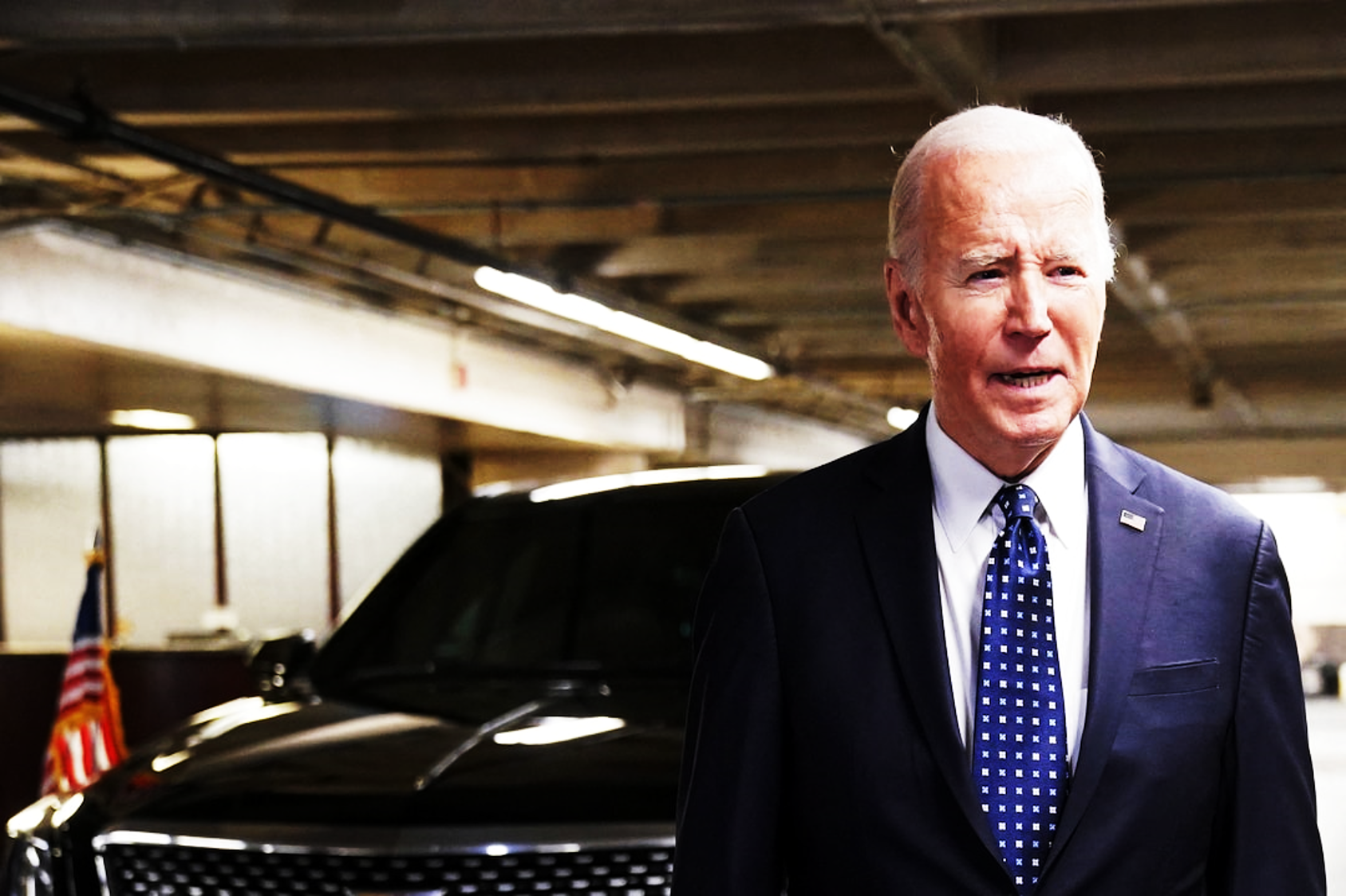
“The idea now, when they are running out of ammunition, that we’re going to walk away, I find it absurd,” Biden said.
As Washington rolls out its latest sanctions, the coming weeks are likely to test whether economic pressure and political resolve can be sustained alongside continued military support for Ukraine.