When Kim Jong Un hails troops returning from Russia, it is more than a homecoming ceremony. It is a carefully staged political signal. North Korea’s leader used the event to underline his country’s growing military partnership with Moscow, highlight loyalty within the Korean People’s Army, and send a clear message to both allies and rivals about Pyongyang’s global ambitions. The return of the engineering unit follows months of speculation and reports about North Korean involvement in Russia’s war related operations, particularly in regions affected by fighting and mine clearance.
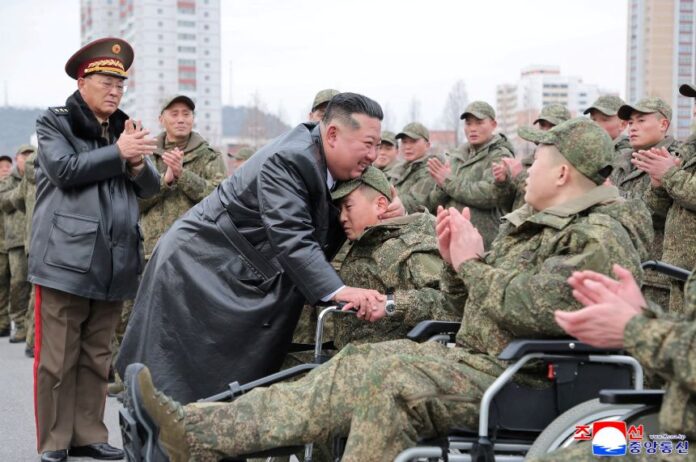
State media showed Kim personally greeting members of an army engineering regiment that had spent several months deployed in Russia. Footage aired domestically featured soldiers stepping off an aircraft, emotional reunions with families, and Kim offering visible gestures of care, including embracing a wounded soldier in a wheelchair.
According to official accounts, the unit had been dispatched in early August and operated for roughly four months. Their mission included both engineering and combat related tasks in Russia’s Kursk region, an area that has seen significant military activity linked to the Ukraine conflict. North Korean media praised the troops for what it called heroic conduct and absolute loyalty to orders from the ruling party.
The decision to send troops abroad reflects a major shift for North Korea. For decades, Pyongyang largely avoided overt overseas deployments. The recent mission suggests a deepening strategic bond with Moscow built on shared opposition to Western pressure and sanctions.
Russia has acknowledged assistance from North Korean forces, particularly in mine clearance and defensive operations. Western and regional intelligence assessments indicate that thousands of North Korean soldiers may have rotated through Russian territory under a mutual defense arrangement signed last year. Analysts see this as mutually beneficial. Russia gains manpower and specialized labor, while North Korea gains combat exposure, technical knowledge, and stronger diplomatic backing.
During the ceremony, Kim acknowledged the deaths of nine soldiers, calling their loss deeply painful for the nation. Those killed were posthumously awarded top state honors, reinforcing a long standing North Korean tradition of glorifying military sacrifice.
However, estimates from South Korean, Ukrainian, and Western sources suggest far higher casualty figures among North Korean forces operating in Russia. These discrepancies highlight the challenge of verifying information surrounding North Korea’s overseas military activities, where transparency is limited and narratives are tightly controlled.
When Kim Jong Un hails troops returning from Russia, the message is aimed as much at domestic audiences as it is at foreign governments. At home, the ceremony reinforces the idea that North Korea is a respected military partner on the world stage. It also serves to strengthen loyalty within the armed forces by showing that service abroad brings recognition and honor.
Internationally, the event underscores Pyongyang’s willingness to play a more active role in global security dynamics. By publicly celebrating cooperation with Moscow, North Korea signals defiance toward US led pressure while positioning itself as an indispensable ally to Russia.
This episode raises concerns for neighboring countries and Western governments. Deeper military coordination between North Korea and Russia could lead to weapons transfers, shared training, or intelligence cooperation that alters security calculations in Northeast Asia and beyond. It also complicates diplomatic efforts aimed at isolating Pyongyang over its weapons programs.
As Kim Jong Un hails troops returning from Russia, the ceremony reveals far more than gratitude toward soldiers. It highlights a strategic partnership that is reshaping North Korea’s role beyond its borders. The homecoming reflects Pyongyang’s desire for relevance, leverage, and influence in a changing global order. Whether this expanded military engagement brings tangible long term benefits or deeper risks remains an open question, but it clearly marks a new chapter in North Korea’s foreign policy posture.