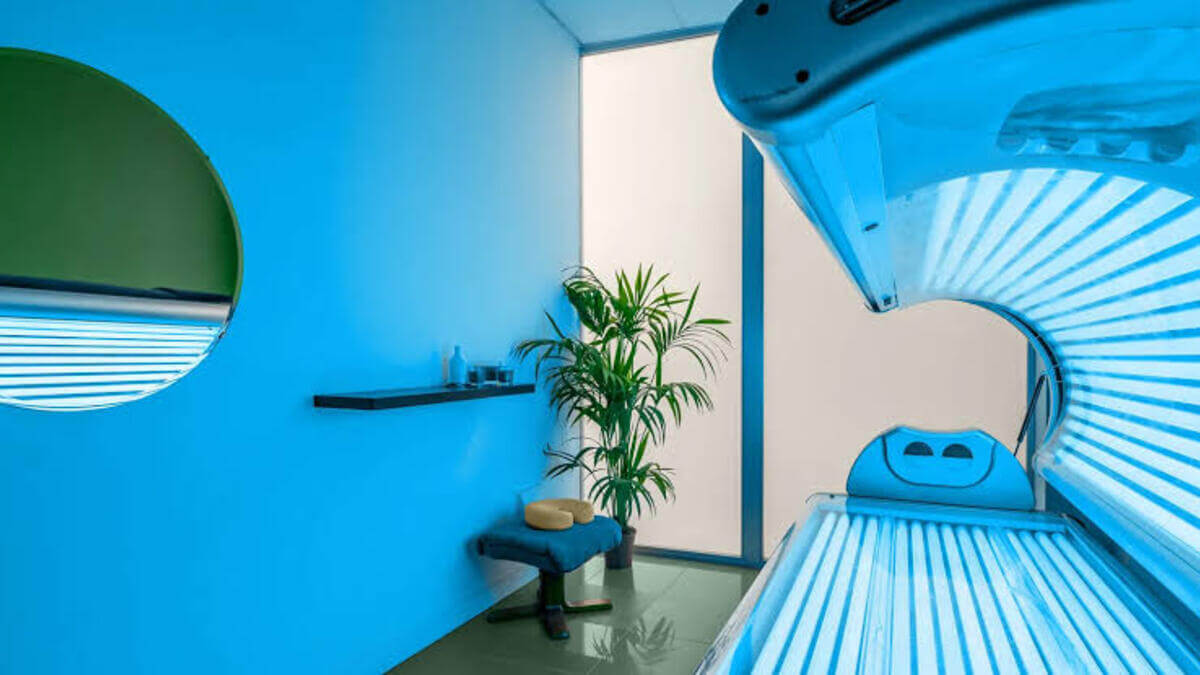
A new study from Northwestern Medicine has found that using tanning beds can greatly increase the risk of melanoma, the deadliest form of skin cancer. According to the study, people who use tanning beds are almost three times more likely to develop melanoma compared with those who do not use them.
The researchers studied about 3,000 people who used tanning beds and compared them with 3,000 people who never used them. They found that 5.1% of tanning bed users were diagnosed with melanoma, while only 2.1% of non-users had the disease. Even after looking at other risk factors, such as age, sex, sunburn history, and family history of skin cancer, tanning bed users still had nearly three times the risk of developing melanoma.
To better understand why tanning beds increase cancer risk, scientists also examined skin cells from participants. They looked at pigment-producing cells called melanocytes, which are where melanoma usually starts. The study found that skin cells from tanning bed users had about twice as many DNA mutations as cells from people who had never used tanning beds. Many of these mutations were in areas of the skin that are normally covered by clothing, showing that tanning beds can cause wider skin damage than sunlight.
Doctors say melanoma is a serious disease that can be deadly if not found early. Every year, thousands of people die from melanoma in the United States. The study’s lead researcher, Dr. Pedram Gerami from Northwestern Medicine, said the findings should make people rethink indoor tanning. He also suggested that tanning beds should have stronger health warnings, similar to warnings on tobacco products, to show the serious risk of skin cancer.
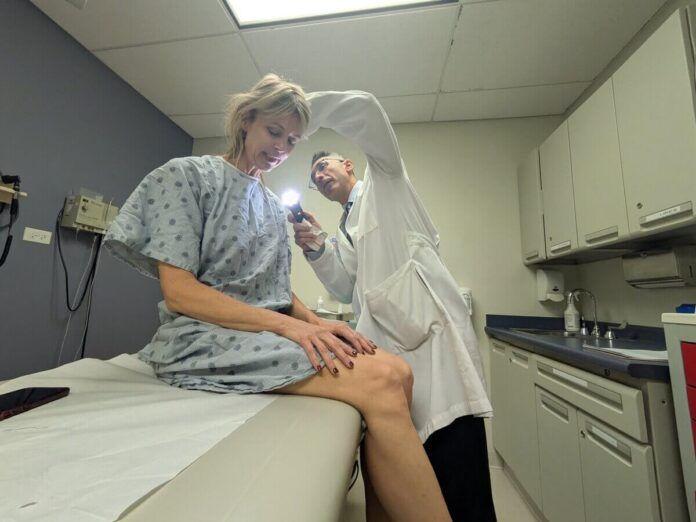
Health experts recommend that people avoid tanning beds and practice safer ways to get a tan, such as using sunscreen and protective clothing. For those who have used tanning beds in the past, doctors advise regular skin checks to catch any signs of melanoma early. Early detection can save lives.
This study adds to a growing body of evidence showing that artificial tanning is not safe. Health experts say it is important for people, especially young adults, to understand the risks and make safer choices to protect their skin.