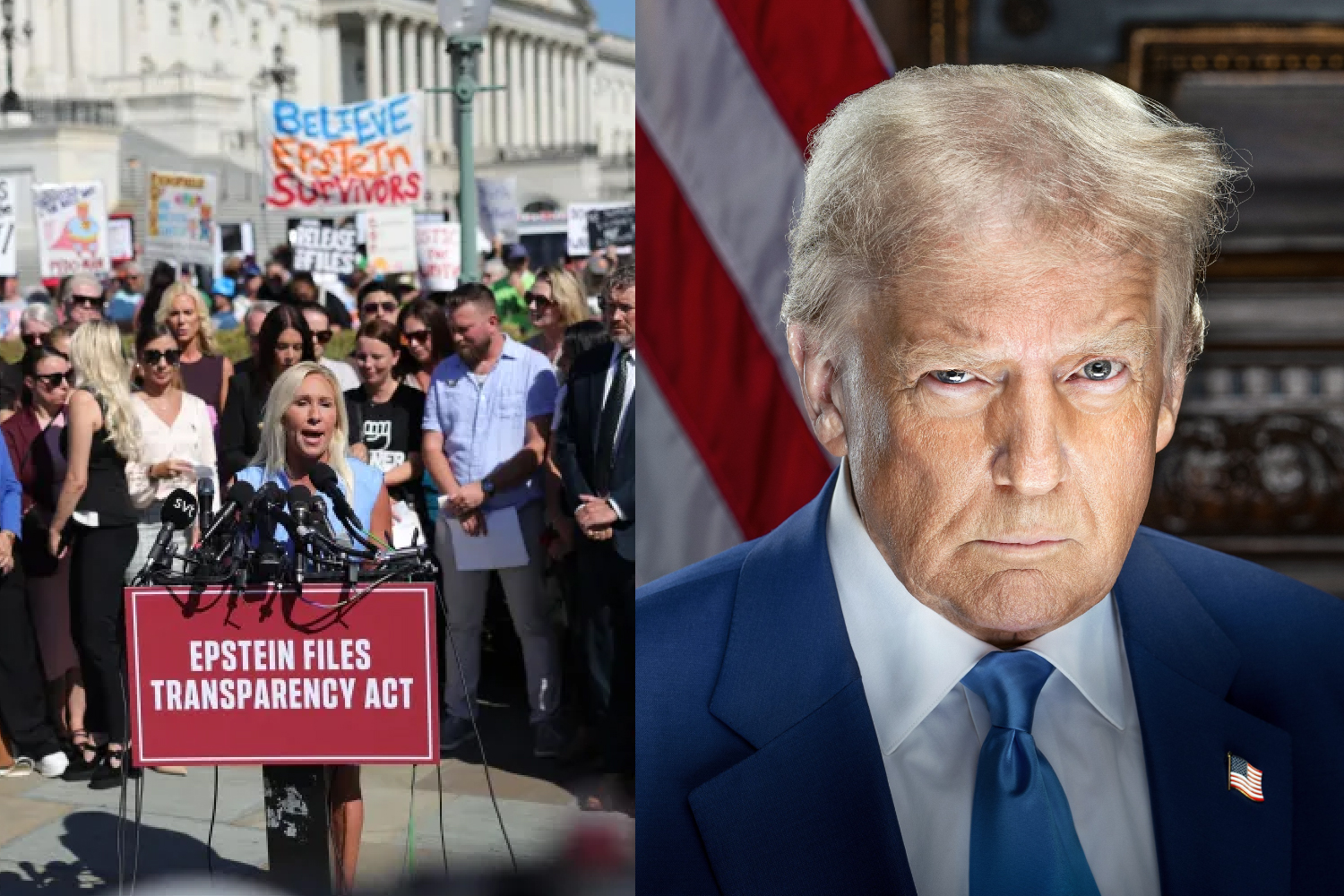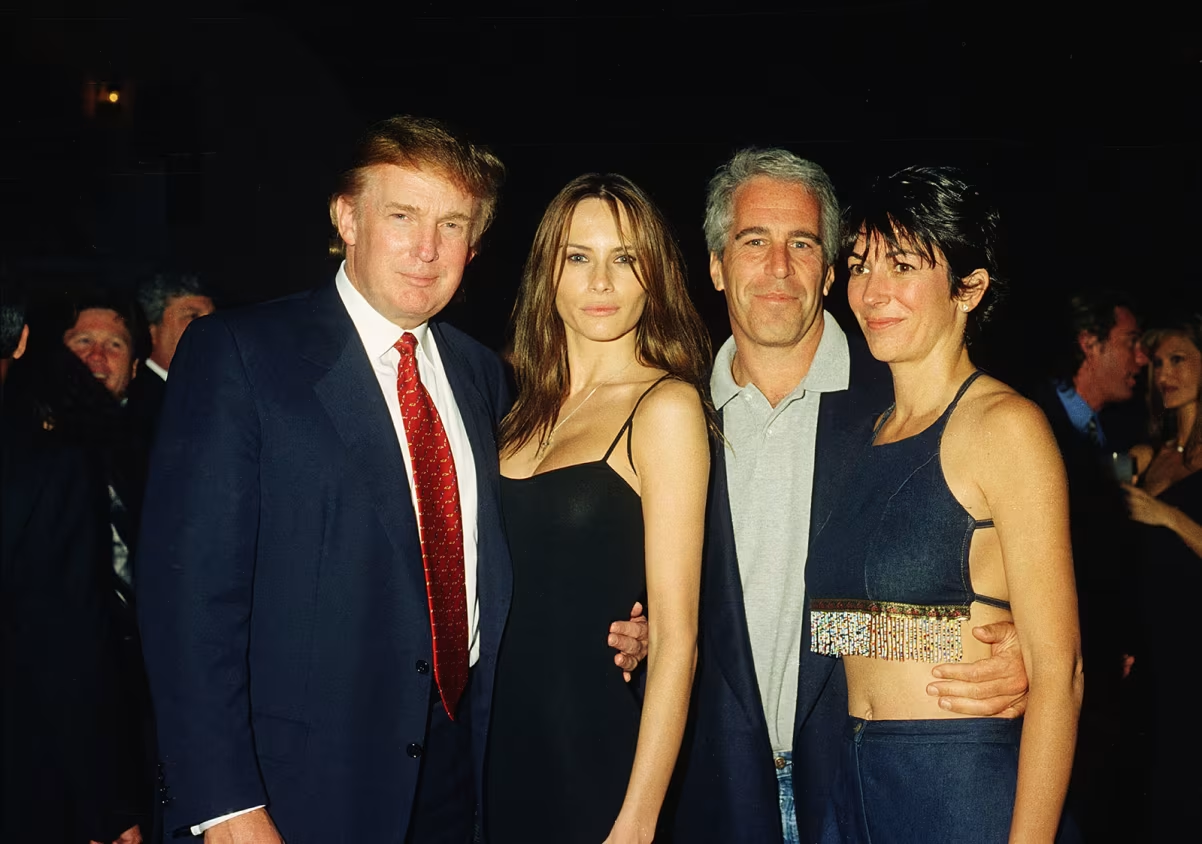
As Epstein releases near, Americans think Trump knew about Epstein’s alleged crimes, and that belief is becoming harder to ignore. With fresh images and documents from the Jeffrey Epstein archive emerging and a looming Justice Department deadline, public opinion is shifting in a way that poses real political risk for former President Donald Trump. While no criminal charges have been brought against him in connection to Epstein, new polling suggests many Americans believe Trump was aware of troubling behavior long before it became public.
This moment highlights how perception, not just proof, can shape political fallout. Even without a clear smoking gun, repeated exposure to Epstein related material keeps questions alive and trust under strain.
Recent polling paints a stark picture. A Reuters Ipsos survey found that a clear majority of Americans believe it is unlikely Trump was unaware of Epstein’s alleged crimes. Only a small minority felt it was likely Trump did not know anything. The gap was striking, roughly three to one in favor of believing Trump knew something.
What makes the findings more notable is that skepticism extends into Trump’s own political base. Among Republicans, more respondents leaned toward believing Trump had some awareness than those convinced he did not. That alone signals a vulnerability, especially as Epstein releases near and media attention intensifies.
Earlier surveys point in the same direction. One national poll found that nearly half of Americans believed Trump may have been involved in wrongdoing connected to Epstein, while only about a quarter firmly rejected the idea. The rest remained undecided, a large group open to persuasion as new information surfaces.
The Epstein case occupies a unique place in the public imagination. It involves wealth, power, secrecy, and abuse, a combination that fuels distrust toward elites. When a former president appears repeatedly in the orbit of such a figure, even without charges, suspicion can linger.
As Epstein releases near, Americans think Trump knew about Epstein’s alleged crimes partly because many voters already assume powerful figures often protect one another. This belief has been reinforced over years by scandals across politics, finance, and entertainment.
Polling history shows this is not new for Trump. Long before his criminal indictments in unrelated cases, majorities of voters said they believed he had committed illegal acts during his career. That backdrop makes it easier for allegations, even indirect ones, to stick.
Another factor shaping public opinion is how Trump has addressed the Epstein issue. Over time, his statements about the nature and depth of his relationship with Epstein have shifted. He has denied wrongdoing, but critics argue his explanations have often appeared incomplete or evasive.
There are also documented remarks from years ago that continue to resurface, including comments suggesting Trump was aware of Epstein’s interest in very young women. While such remarks do not prove criminal knowledge, they contribute to a narrative that many Americans find unsettling.
Emails and statements attributed to Epstein himself have further fueled speculation. Even without verification of intent or truthfulness, such references add to the cloud of doubt, especially when released gradually rather than all at once.
One reason these developments matter is that politics often runs on repetition. Each new photo, document, or headline reinforces an association in the public mind. As Epstein releases near, Americans think Trump knew about Epstein’s alleged crimes not because of one decisive revelation, but because of a steady accumulation of suggestive material.
This drip effect can be damaging. Even if future disclosures contain no direct evidence of wrongdoing, they may still reinforce existing beliefs. For many voters, the question becomes less about legal guilt and more about judgment, character, and transparency.
As Epstein releases near, Americans think Trump knew about Epstein’s alleged crimes, and polling suggests that belief is widespread and deeply rooted. While there is no public evidence proving Trump’s involvement or knowledge of criminal acts, perception alone creates a serious political challenge. With more documents expected and public skepticism already high, the issue underscores a simple reality of modern politics: once trust erodes, even silence or denial can struggle to repair it.