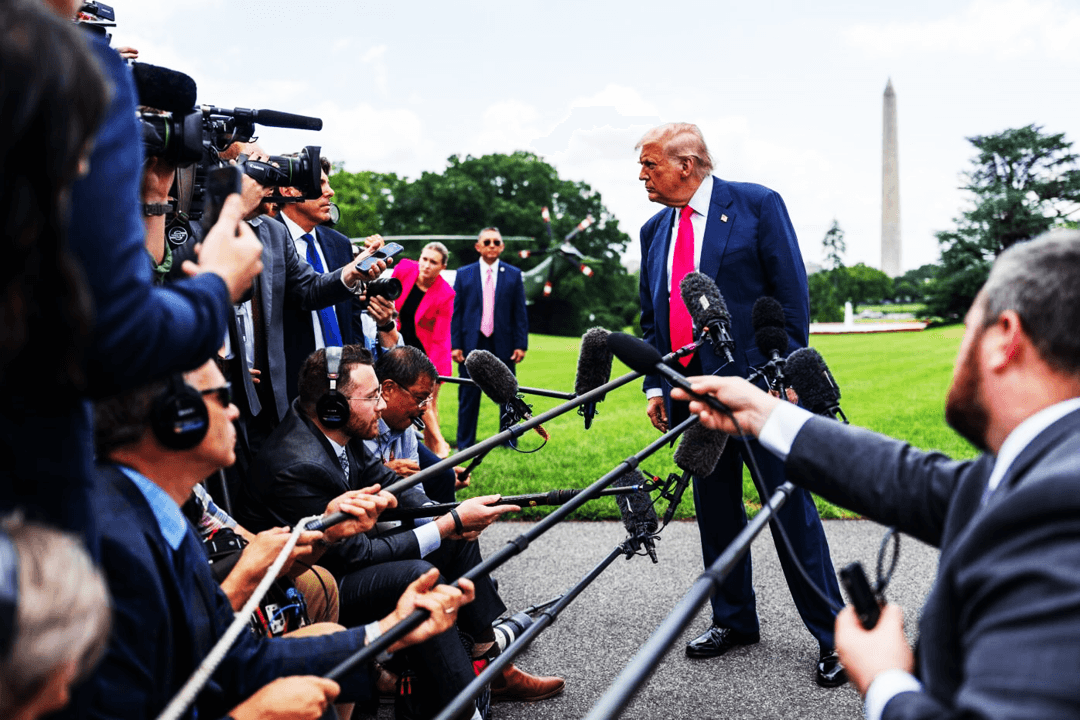
US seized oil tanker off Venezuelan coast has quickly become one of the most talked-about developments in Washington’s foreign policy this week. The announcement came directly from former President Donald Trump, who said the US had intercepted a vessel linked to sanctions violations near Venezuelan waters. The move has stirred new questions about maritime security, oil trafficking, and the already strained relationship between Washington and Caracas.
This latest seizure comes at a time when the US has been tightening its grip on illicit oil shipments connected to sanctioned governments. Venezuela, still under heavy US sanctions over its authoritarian governance and disputed elections, remains a central focus of these efforts.
According to US officials, the tanker was believed to be transporting crude oil linked to Venezuelan state actors attempting to bypass American sanctions. Maritime monitoring data indicated the vessel had switched off its transponder, a tactic commonly used by ships trying to move oil covertly.
Trump framed the operation as a necessary step to protect American interests and disrupt what he described as an illegal oil network funneling money to the Maduro government. While the Pentagon has not released detailed documentation, several defense sources confirmed that US naval forces carried out the seizure after tracking the ship for several days.
Operations like this often involve complex surveillance, coordination with regional allies, and legal assessments to determine whether a vessel is subject to seizure. In this case, officials say the ship met the criteria under existing US sanctions authority.
The US seized oil tanker off Venezuelan coast event fits into a broader pattern. In recent years, American policy toward Venezuela has centered on isolating the Maduro government through economic restrictions, asset freezes, and maritime enforcement.
Oil remains Venezuela’s primary source of revenue. With its formal oil exports significantly reduced due to sanctions, the country has turned increasingly to clandestine shipments using reflagged vessels, shell companies, and offshore transfers. This has led the US to intensify enforcement at sea.
Analysts argue that these seizures serve two purposes. First, they cut off revenue that might support Maduro’s circle. Second, they send a message to shipping companies and foreign brokers that helping sanctioned nations comes with major risks.
Yet critics warn that aggressive maritime seizures can heighten tensions and complicate diplomatic efforts. Some foreign policy experts note that confrontations at sea, especially near another nation’s coastline, can spark disputes over territorial authority and international water boundaries.
The Maduro government has strongly condemned the seizure, labeling it an act of aggression and interference. Caracas insists the tanker was operating legally and accuses Washington of trying to destabilize the region.
Local media in Venezuela report growing frustration among military officials who see repeated US maritime operations as a challenge to national sovereignty. Meanwhile, Latin American governments have been watching closely. Some fear that heightened US enforcement could disrupt regional shipping routes or escalate into broader geopolitical friction.
Energy economists say the fallout may extend to global markets. When the US seized oil tanker off Venezuelan coast, traders immediately flagged concerns about potential disruptions in shadow oil flows that often influence regional prices.
Whether this seizure marks a shift or simply continues Washington’s long-standing pressure strategy is still unclear. What is certain is that the incident underscores how oil, sanctions, and geopolitics remain tightly connected.
For Trump, highlighting such actions aligns with his broader message of strong defense and tough foreign policy. For Venezuela, it represents yet another confrontation in a years-long standoff.
With international scrutiny growing, future maritime operations may face even closer examination from lawmakers, human rights advocates, and global observers.
The moment the US seized oil tanker off Venezuelan coast, it reaffirmed Washington’s commitment to enforcing sanctions while reigniting debates about maritime authority and geopolitical strategy. As both countries brace for the fallout, the incident shows how a single ship can carry far more weight than its cargo, shaping diplomacy, security, and global energy dynamics all at once.