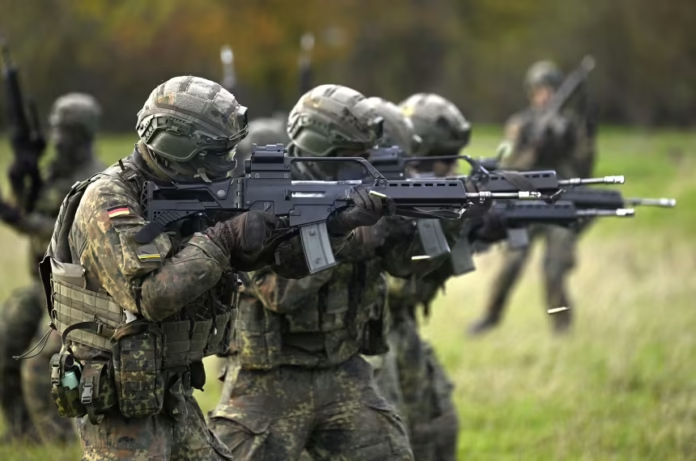
Germany is taking a historic step in strengthening its defense posture as lawmakers approve a sweeping plan aimed at increasing military manpower. The move marks one of the most significant shifts in German security policy in years and places the topic of Germany military recruitment reforms at the center of Europe’s broader response to Russia’s growing aggression.
The Bundestag vote delivered a clear majority in favor of the bill, with 323 lawmakers supporting it and 272 opposing it. The decision comes at a time when European governments are reassessing their military readiness and preparing for long-term security challenges.
Although the reform does not immediately reinstate full conscription, it lays the groundwork for what could eventually become a system of needs-based conscription if recruitment goals cannot be met. Under the plan, Germany hopes to boost its armed forces from around 180,000 active-duty soldiers to about 260,000 by 2035, with an additional 200,000 reservists.
Unlike traditional military drafts, the new system focuses on encouraging voluntary service. To make enlistment more appealing, the government will offer starting monthly pay of 2,600 euros, a noticeable increase from the current level.
Beginning next year, all 18-year-olds will receive a questionnaire asking about their willingness to serve. Only men are legally required to respond, reflecting existing constitutional language. From mid-2027, men will also undergo mandatory military examinations at age 18.
However, if voluntary numbers fall short, parliament could activate a needs-based conscription system after another separate vote. This flexibility is a central part of the Germany military recruitment reforms and reflects a cautious attempt to balance national security with public reservations about a return to mandatory service.
The debate has sparked strong reactions nationwide. More than 80 cities, including Berlin, Kassel, and Cologne, saw large youth-led demonstrations. Many young Germans argue that their future should not be tied to military demands or geopolitical tensions.
At a protest in Berlin, one participant captured the sentiment clearly. They said it was important that people be free to shape their own lives without being pushed toward military paths. For many, preparing for war feels like drifting closer to it.
These concerns highlight the complex balance German leaders must navigate between strengthening defense capabilities and addressing public skepticism rooted in Germany’s unique historical experience.
Germany is not acting alone. Several European nations have updated their military service rules in response to Russia’s invasion of Ukraine. Denmark has expanded service to include women, Latvia reinstated mandatory service for men, and France recently introduced a voluntary youth service program.
For decades, Germany kept defense spending low, maintaining little more than symbolic military readiness. The new reforms aim to reverse that trend and build a force suited for modern European security challenges.
The approval of the Germany military recruitment reforms marks a turning point in German defense policy. As Europe adapts to a new security reality shaped by Russia’s actions, Germany’s decision reflects both urgency and caution. Whether the reforms succeed will depend on public support and the country’s ability to convince young people that national defense is a shared responsibility.