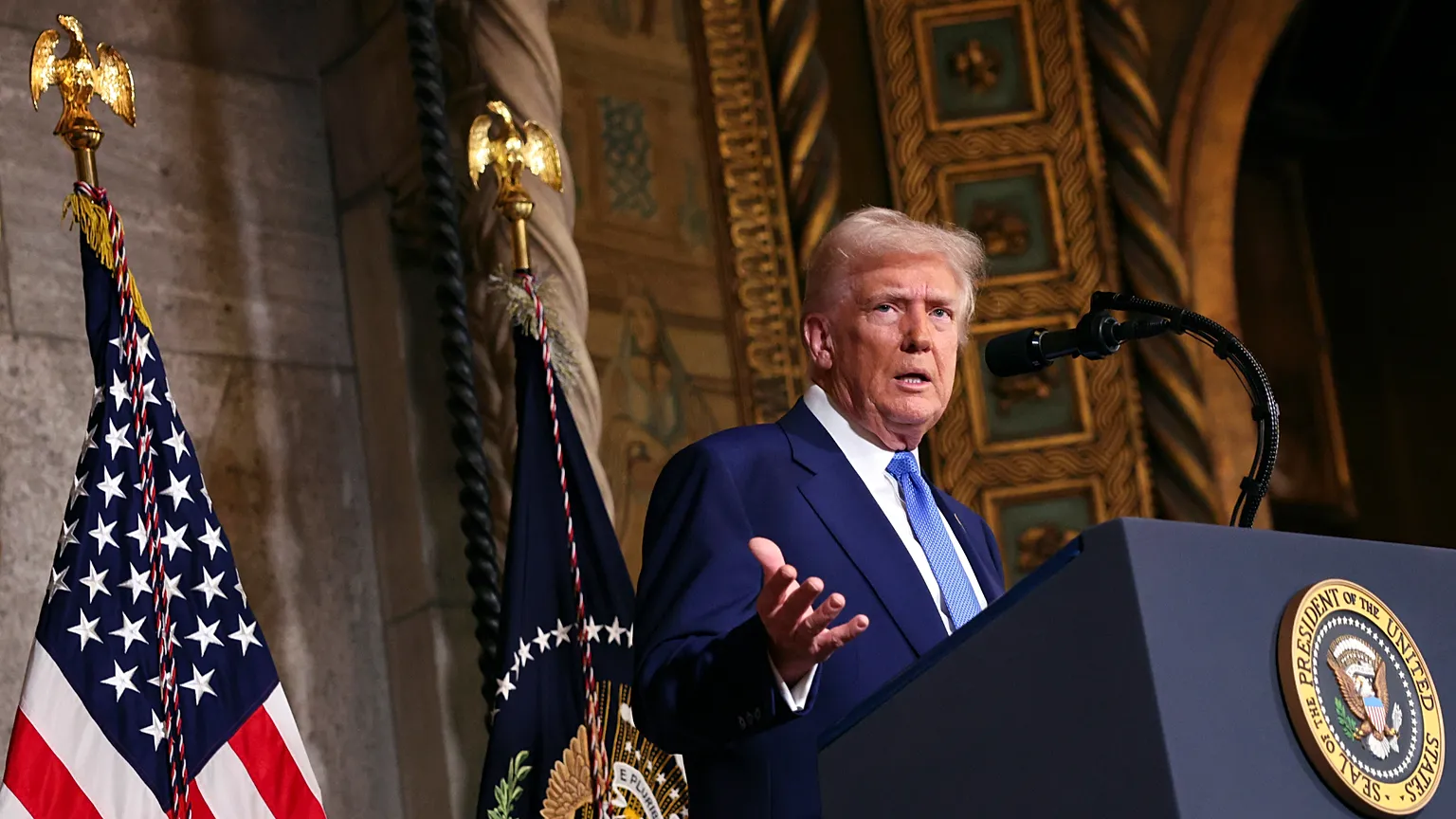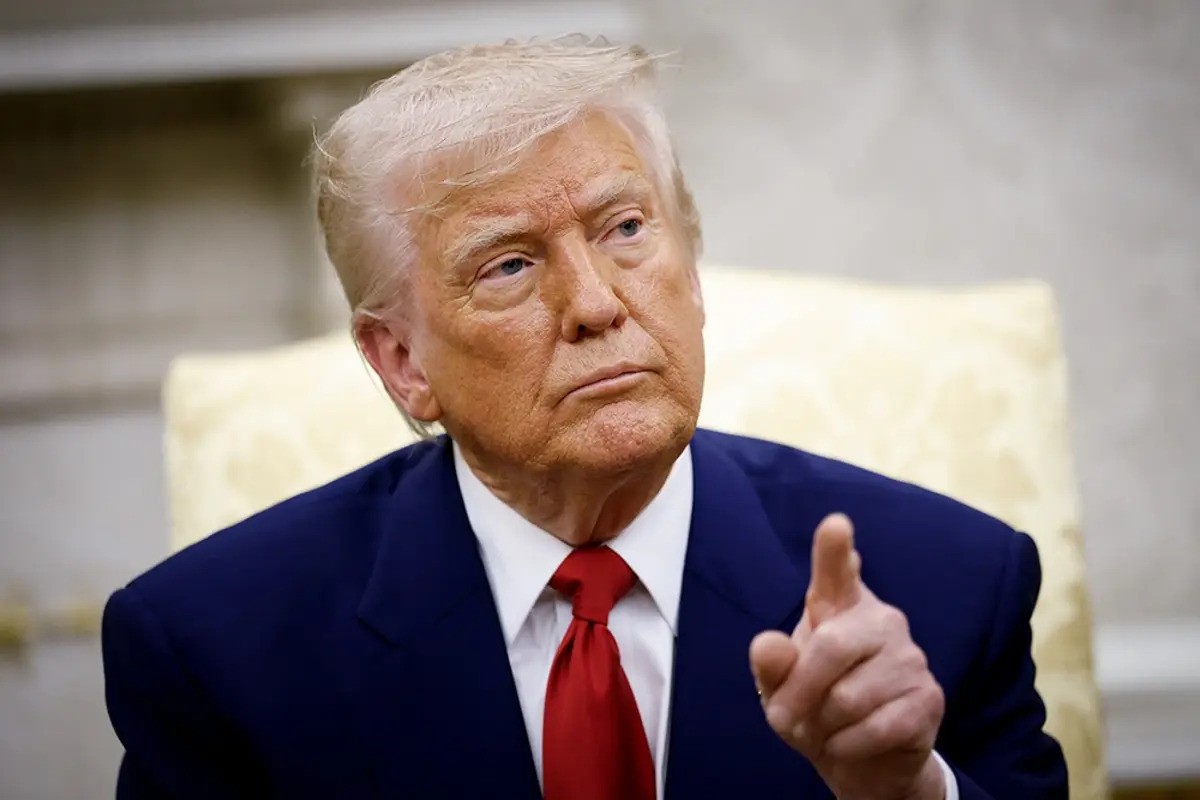
The Supreme Court has agreed to hear a historic case that will decide whether President Donald Trump has the power to end birthright citizenship through an executive order. The move instantly raises the stakes for immigration policy, constitutional law, and millions of families. As the nation watches closely, the debate over whether a president can end birthright citizenship has become one of the most important legal fights of this era.
At the start of his second term, Trump signed an executive order declaring that children born in the United States to parents without permanent legal status would no longer receive automatic citizenship at birth. The policy targets children of undocumented immigrants, tourists, students, and temporary workers. Instead of receiving citizenship automatically, their status would depend on their parents’ legal standing at the time of birth.
The administration argues that the Fourteenth Amendment has been misinterpreted for decades and that only children whose parents owe full allegiance to the United States should receive citizenship. This interpretation marks the sharpest challenge yet to a principle that has guided American identity for more than a century.
Lawsuits immediately poured in from civil rights groups, state governments, and immigrant families. Federal courts across the country quickly blocked the policy from going into effect, citing clear constitutional language.
The Fourteenth Amendment, adopted in 1868, states that all persons born in the United States and subject to its jurisdiction are citizens. For over a hundred years, courts have consistently interpreted this to include children born to immigrant parents, regardless of their legal status. One of the strongest precedents is an 1898 Supreme Court ruling that affirmed birthright citizenship for the American-born child of Chinese immigrants.
Legal scholars opposing the order stress that no president has the authority to reinterpret the Constitution unilaterally. Supporters of the policy argue that the phrase subject to the jurisdiction has been misunderstood and should exclude children of parents who are not permanent residents.
The Supreme Court will now decide which interpretation stands.
The Court’s decision to take up the case signals that the justices recognize the enormous national significance. A ruling in favor of Trump could allow the government to deny automatic citizenship to certain children, potentially reshaping immigration patterns, family rights, and social policy for decades. It could also result in thousands of American-born children lacking clear citizenship, creating legal and humanitarian challenges.
A ruling against the policy would reaffirm long-standing precedent and maintain the current understanding of the Fourteenth Amendment.
Ending birthright citizenship would affect far more than future arrivals. It would create uncertainty for mixed-status families already living in the U.S., forcing them to navigate new bureaucratic obstacles to prove their children’s right to citizenship. Hospitals, schools, and government agencies would be thrust into a complicated verification system.
The decision could also shift America’s global identity. The United States has long been seen as a nation where anyone born on its soil can claim a place in its future. Changing that principle would represent a major cultural and political turning point.
The Supreme Court’s willingness to hear this challenge brings the long-running debate over birthright citizenship to a defining moment. Whether the justices choose to uphold the traditional interpretation of the Fourteenth Amendment or allow a president to redefine who becomes an American at birth, the ruling will shape the nation for generations. As the Court considers the question, the issue of whether a president can end birthright citizenship remains one of the most consequential legal battles of our time.