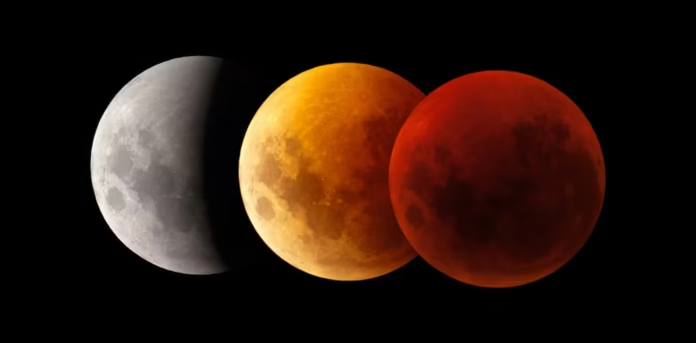
Skywatchers should keep their eyes on the heavens this week as December delivers the final supermoon of the year.
The full moon, known as the cold moon, will reach peak fullness at about 6:14 p.m. ET on Thursday, according to EarthSky. The moon will rise around sunset, appearing especially bright as it sits directly opposite the sun in the sky, NASA Artemis III project scientist Noah Petro explained. The moon will also appear full on Wednesday and Friday nights.
This event marks the third and final back-to-back supermoon of the year. A supermoon occurs when the moon reaches perigee, the closest point in its orbit to Earth, making it look larger and more luminous than usual.
The name cold moon reflects its timing near the winter solstice, which falls on December 21 and marks the shortest day of the year in the Northern Hemisphere. Many Indigenous communities have their own names for this moon. The Cherokee call it the snow moon, while the Abenaki refer to it as the winter maker moon.
Petro noted that winter supermoons can appear especially striking because bare trees allow more moonlight to reach the ground.
A Nod to Lunar History
December’s full moon also coincides with anniversaries of key moments in space exploration. Apollo 8, launched on December 21, 1968, carried three astronauts into lunar orbit and delivered a memorable Christmas Eve message to Earth. Apollo 17, launched on December 7, 1972, was the last mission to land humans on the moon.
Looking ahead, the full moon arrives just before Artemis II, expected between February and April 2026, which will send four astronauts on a 10-day journey around the moon.
Petro encouraged the public to pause and reflect while moon-gazing this week: to appreciate past Apollo missions and look forward to humanity’s return to lunar exploration.
Upcoming Meteor Showers
The final meteor showers of the year are also approaching, according to the American Meteor Society and EarthSky. Geminids: December 13–14 Ursids: December 21–22
Clear skies may offer multiple reasons to look up before the year ends.
Full Moon: A Brief Backstory
The full moon has been observed and tracked by humans for thousands of years, serving as one of the earliest ways to measure time. Ancient civilizations relied on the moon’s changing phases to mark months, guide agriculture, plan religious ceremonies, and navigate long distances at night.
A full moon occurs when the moon is positioned directly opposite the sun, allowing its entire face to be illuminated as seen from Earth. Across cultures, each full moon was given a name tied to seasonal changes, weather patterns, or animal behavior, transforming the night sky into a natural calendar long before modern clocks and calendars existed.
For centuries, full moons have been named to reflect the seasons, farming cycles, and natural events observed throughout the year. Many of the names commonly used today come from Indigenous tribes of North America, later recorded in farmer almanacs and passed down through oral tradition.
January’s Wolf Moon marked a time when wolves were often heard howling near villages during the deep winter. February’s Snow Moon reflected the harsh weather and heavy snowfall, while March’s Worm Moon signaled thawing ground and the return of earthworms, indicating the approach of spring.
April’s Pink Moon was named after the pink phlox flowers that begin to bloom, not the moon’s color. May’s Flower Moon celebrated widespread blossoms, and June’s Strawberry Moon coincided with the short fruit-harvesting season.
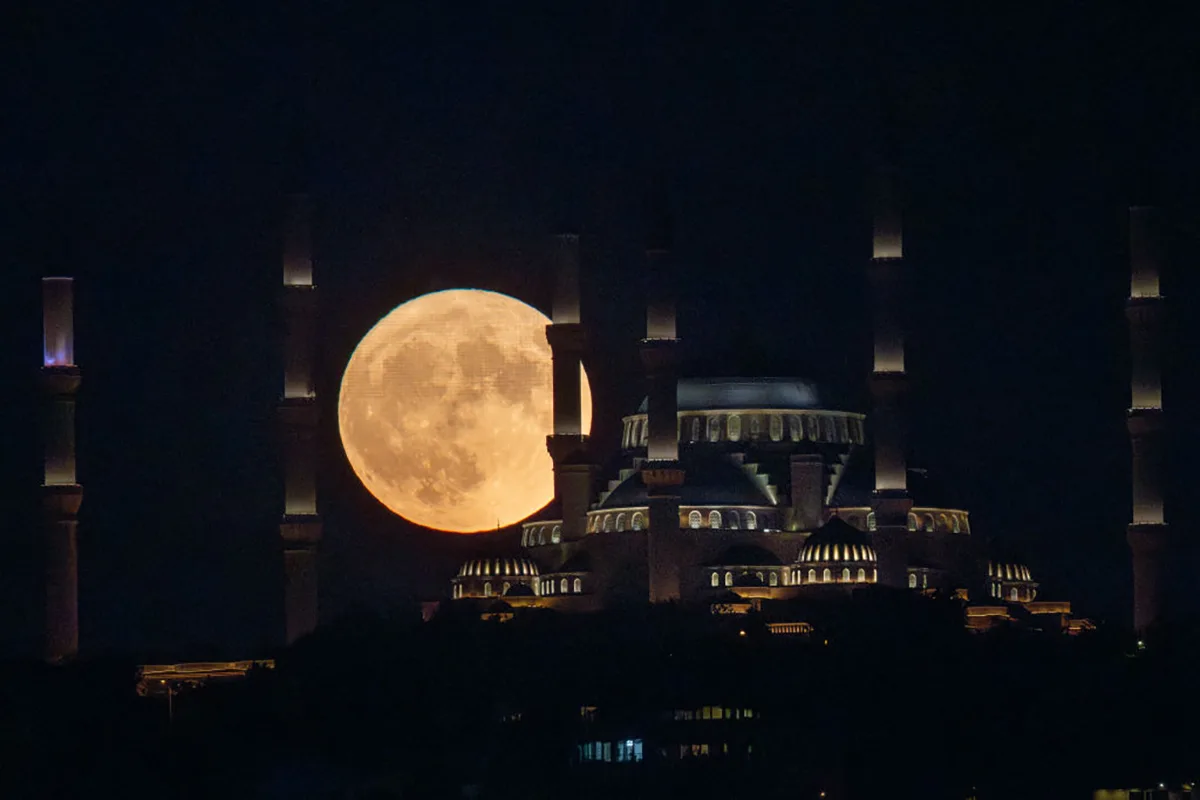
Summer full moons followed agricultural rhythms: July’s Buck Moon aligned with new antler growth on deer, while August’s Sturgeon Moon reflected the abundance of large fish in lakes and rivers. September’s Harvest Moon or October’s when it falls later earned its name for providing extra evening light to farmers gathering crops.
November’s Beaver Moon marked the time to set traps before waterways froze, and December’s Cold Moon brought the cycle full circle, reflecting long nights and the onset of winter.
Although modern astronomy now defines lunar phases with precision, these traditional moon names remain a cultural bridge between the night sky and how earlier societies understood time, nature, and survival.
This news was first published on CNN