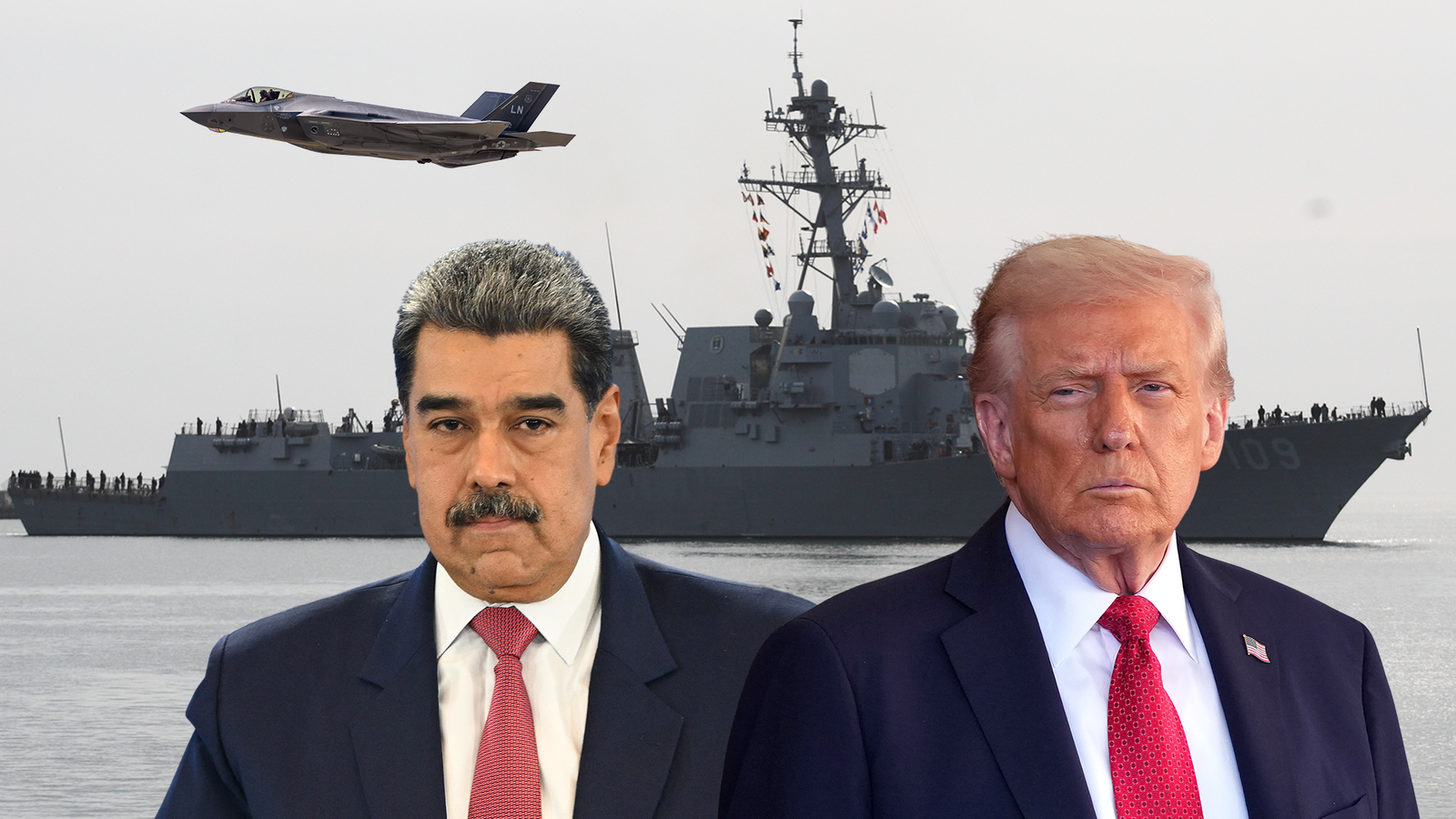
President Trump struggles with Venezuelan dilemma as his pressure campaign against Nicolás Maduro slides toward a crossroads. What began as a show of force and sanctions has morphed into a muddled strategy that now threatens to entangle the United States in a political, legal and military morass. With Maduro publicly defiant in Caracas and lawmakers at home crying foul over a controversial follow-up strike in the Caribbean, the White House faces hard choices that could have lasting consequences.
The administration piled on military assets in the region, including a carrier strike group and other warships, hoping to rattle the Venezuelan leadership into exile or induce a coup among its military officers. Instead, Maduro staged a mass rally and used the moment to burnish his domestic standing. That outcome underscores a familiar pattern in foreign policy: displays of force can backfire if they do not translate into a credible plan to change the political calculus inside the target country.
The central dilemma is blunt. The president can escalate militarily, risking casualties, civilian harm and a messy occupation scenario, or he can accept a stalemate that undercuts his own threats. Either path contains peril. An invasion is politically toxic and militarily costly. Continued pressure short of direct combat risks entrenching Maduro and handing him a propaganda victory.
Compounding the strategic problem is a follow-up strike on a vessel in early September that reportedly targeted survivors of an initial assault. Allegations that wounded people were killed in a second strike have inflamed lawmakers and legal experts. Critics argue that such an attack, if accurately described, could constitute a breach of the laws of armed conflict and potentially a war crime. That charge has energized Democrats and unsettled some Republicans, prompting calls for inquiries and hearings.
The administration has defended the operation on grounds of national self-defense and counter-narcotics authority, while refusing to provide full public disclosure of the legal basis. This secrecy has only deepened mistrust on Capitol Hill. Senior Republicans who normally support the president have privately warned that unanswered questions over the strike could force them to push for oversight, and some Democrats have suggested that senior officials, including the secretary of defense, may need to account for their decisions under oath.
The White House appears to be wrestling not only with Maduro but with its own personnel choices. The defense secretary’s background and approach have drawn scrutiny amid the controversy. Observers say that appointing aides with media profiles rather than deep institutional experience can complicate high-risk operations. If senior commanders are ignored or undermined, the credibility of the chain of command can suffer, with potential operational consequences in the field.
The president’s inner circle faces hard questions about objectives, rules of engagement and exit strategies. Is the goal regime change, the disruption of trafficking networks, or a political negotiation that results in exile for Maduro? Without clarity, ad hoc strikes and public threats risk producing strategic incoherence and legal exposure.
A heavy U.S. footprint in the Caribbean invites regional consequences. Venezuela has close ties with actors who can complicate the picture, and any misstep could spur diplomatic fallout with neighbors. Moreover, a drawn-out confrontation could provide geopolitical theater for rivals to cast Washington as an aggressor, even while U.S. officials insist the campaign targets criminal networks and protects American security.
Domestically, public opinion is another constraint. Polls show many Americans are wary of new military adventures abroad. That sentiment reduces political space for a large-scale operation and raises the political cost of any unforced mishap.
President Trump struggles with Venezuelan dilemma that threatens to entangle the United States in a complex tangle of strategy, law and politics. Maduro’s survival so far demonstrates the limits of pressure campaigns that lack a clear, achievable end state. Meanwhile, controversy over targeted strikes has opened legal and legislative flashpoints at home. The administration must pick a path: double down with risk of deeper conflict, or pivot toward diplomacy and carefully managed pressure that keeps legal and political exposure to a minimum. Either choice will define the next chapter of U.S. influence in Latin America.