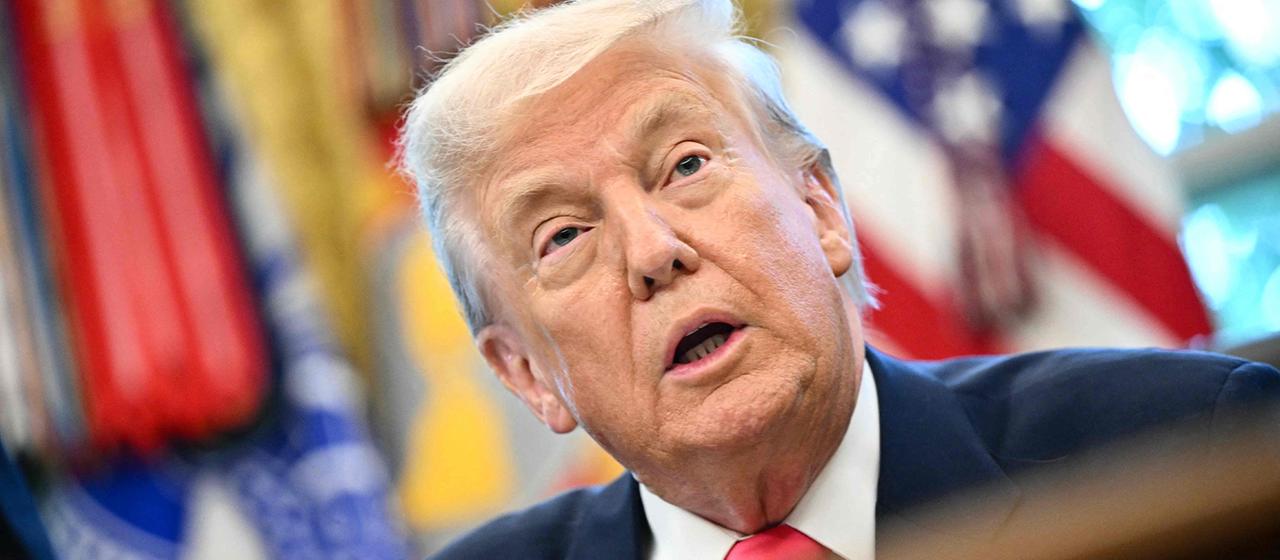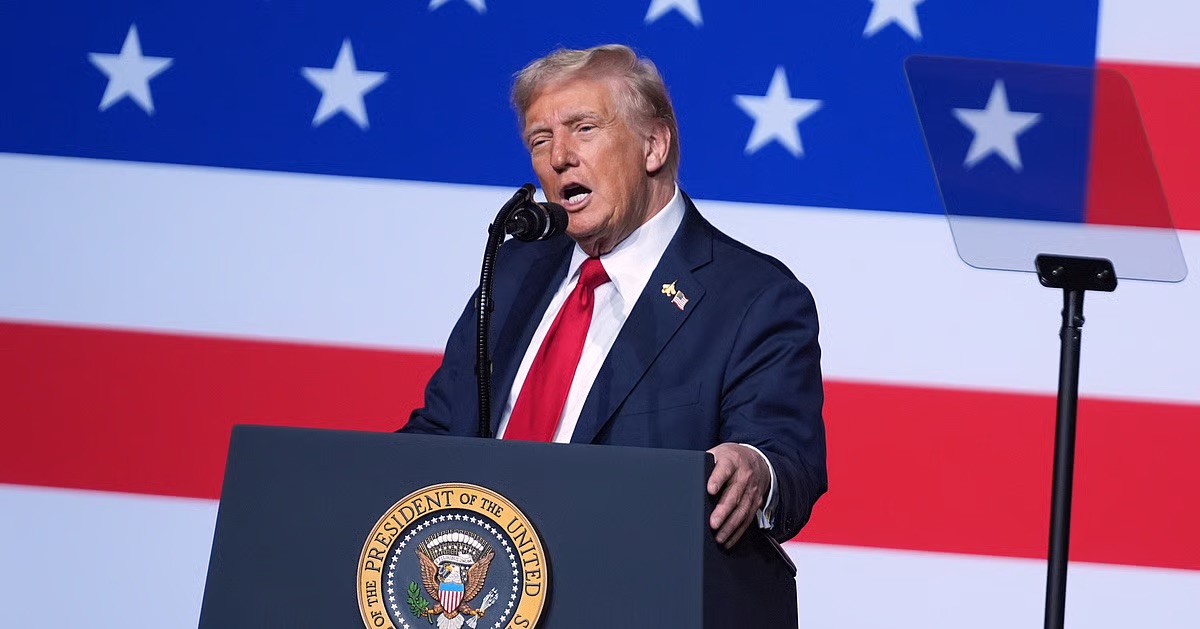
President Donald Trump has issued a stark ultimatum to Hamas: accept his 20-point peace proposal by Sunday evening or face unprecedented military retaliation. In a forceful social media statement, he warned that “all hell, like no one has ever seen before, will break out against Hamas” if the deal does not proceed. Washington time, the deadline is set at 6 p.m. Sunday.
The plan, which Israel has agreed to, includes a ceasefire, release of hostages, staged Israeli withdrawal, disarmament of Hamas, and a temporary international governance presence in Gaza. Trump’s warning escalates pressure on Hamas at a moment when the Gaza conflict has already devastated much of the territory, left humanitarian crisis in its wake, and tested regional stability.
This announcement reopens questions about the feasibility of such a deal, the risks of renewed escalation, and whether Hamas will accept terms that demand disarmament and exclusion from governance.
Key Demands in the Proposal
Under Trump’s framework, Hamas must:
Disarm and give up control over governance functions
Agree to release Israeli hostages (alive and deceased)
Withdraw from military engagements
Permit Israel to partially withdraw troops
Accept international oversight, including transitional governance
In return, Israel would cease large-scale operations, release many Palestinian detainees, and allow humanitarian flow and rebuilding efforts. The proposal also calls for a new governance board, which would include international figures and Palestinian technocrats.
Though Israel and several Arab states have expressed support, Hamas has not immediately accepted. Some mediators like Egypt and Qatar said the proposal requires further negotiation. Hamas previously rejected disarmament demands and insisted on a full ceasefire and Israeli withdrawal before releasing hostages.
By setting a strict deadline, Trump aims to corner Hamas politically and militarily. The “last chance” framing seeks to limit Hamas’s room for refusal or delay. It also appeals to Trump’s base by projecting firmness in foreign policy.
However, the pressure tactic carries risk. If Hamas refuses or offers counterproposals, the situation could escalate rapidly. Trump’s warning suggests imminent military action, which could intensify civilian suffering and complicate humanitarian access.
There is also legal and diplomatic exposure: imposing governance over Gaza—even temporarily—raises questions over Palestinian sovereignty, accountability, and international law. Critics say the plan resembles trusteeship or occupation rather than partnership.
Gaza already suffers from famine, massive displacement, health system collapse, and infrastructure ruin. Many civilians remain trapped in conflict zones with no safe corridors. Trump urged civilians to move southward to safer zones, though the U.N. warns that nowhere in Gaza is completely safe.
If hostilities resume at full scale, more casualties and dislocation may follow. Aid delivery, reconstruction, and international monitoring would also become more complex under renewed fighting.
Regionally, Arab states face a delicate balance. Some have backed Trump’s plan publicly, hoping to end the crisis. Others worry about inflaming domestic opinion or being seen as complicit. Egypt and Qatar remain key mediators, working behind the scenes to influence Hamas.
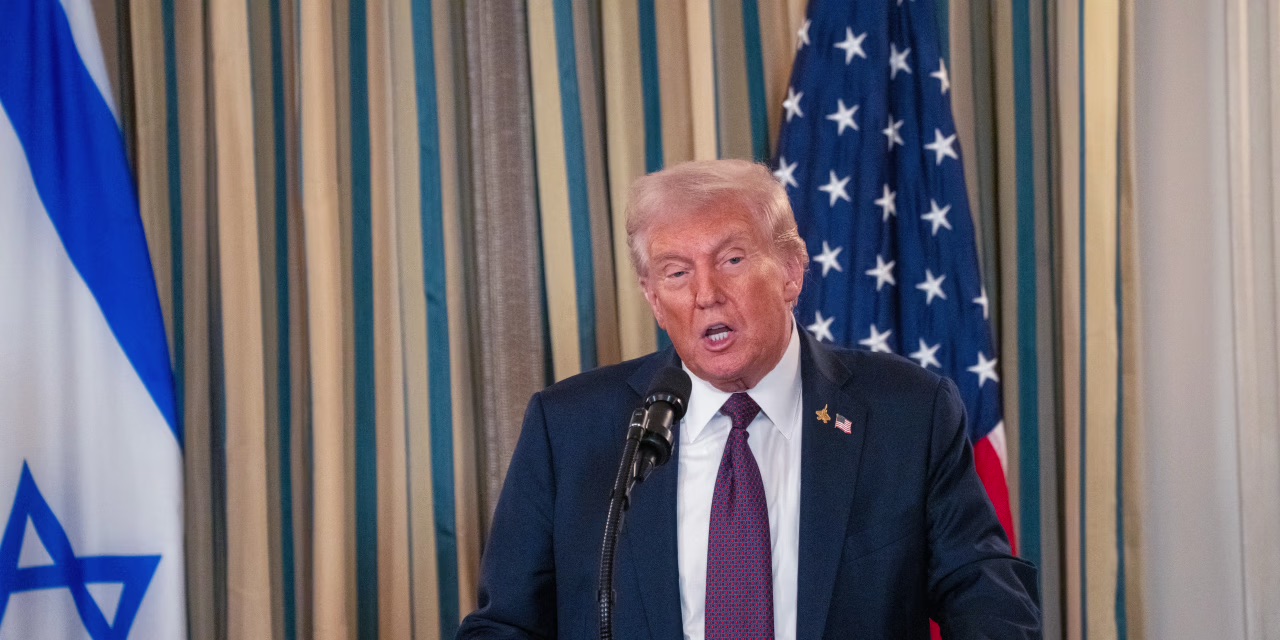
Hamas leaders will weigh the cost of disarmament and loss of political role against further military destruction and political isolation. Accepting may fracture internal support, while rejecting keeps resistance viable.
If they accept under duress, they risk backlash from their base. If they reject, Trump’s promised retaliation may follow swiftly. Their decision is at the heart of the outcome.
If Hamas rejects and violence resumes, Israel may intensify its operations, possibly to more aggressive levels. Conversely, if Hamas signals tentative agreement, temporary ceasefire or phased implementation might start. The success depends on trust, guarantees, and oversight.
International reaction will matter. If the U.N., major powers, or Arab states condemn aggressive retaliation, they may pressure limits on escalation. Human rights groups may file legal challenges. The imposition of transitional governance invites inspection over power, sovereignty, and legitimacy.
If successful, the plan could offer a path to stabilize Gaza temporarily, rebuild infrastructure, deliver aid, and prepare for future governance transfer. But failure risks deeper humanitarian trauma, regional spillover, and damaged credibility of U.S. diplomacy.
By setting a Sunday deadline for Hamas, Trump has made a high-stakes gamble. He demands that Hamas accept his peace plan or face consequences described in apocalyptic terms. The boldness of the move underscores how deeply the U.S. aims to shape Gaza’s future—and how limited time is for meaningful negotiation.
The outcome remains uncertain. Accepting means giving up control and military power. Rejecting means risking destruction. Navigating this moment will test not just Hamas, but the capacities of regional mediators, U.S. policy, and global norms.
If Hamas agrees, it could herald the beginning of Gaza’s recovery. If it refuses, the promise of “all hell” could replace hope with new cycles of ruin.