Taiwanese authorities announced that the death toll from Typhoon Ragasa had been revised to 14. Officials said 33 people remain missing as rescue teams continue to comb through damaged regions. Emergency services explained that the earlier figure included duplicate reports. They stressed that while the revision lowered the number, the humanitarian crisis remains severe.
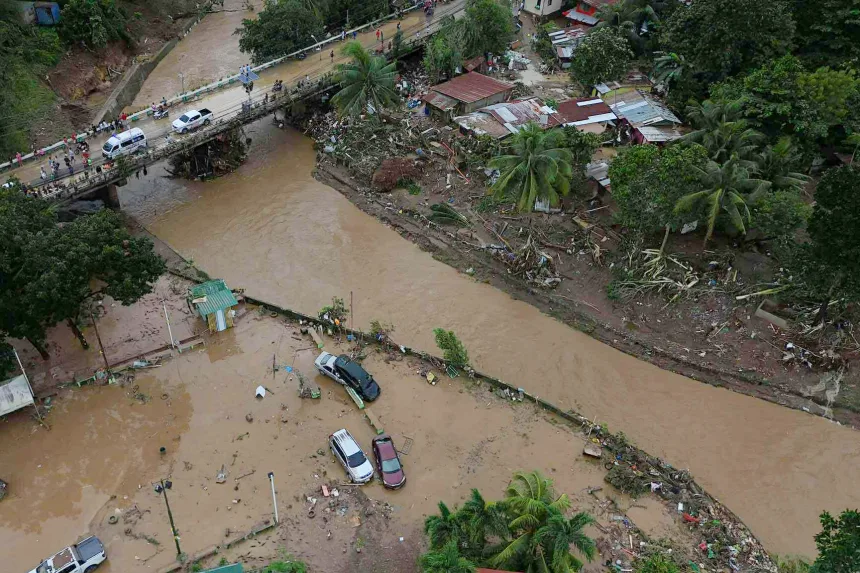
Rescue teams are working across Hualien, Yilan, and other storm-hit areas. Landslides blocked major highways, forcing helicopters and boats to deliver food, water, and medicine. Teams on the ground described the task as “urgent but dangerous.” They reported unstable slopes, soaked soil, and fresh rockslides that made progress slow.
Authorities confirmed that more than 2,000 people are now in temporary shelters. Survivors said conditions are harsh, with limited electricity and water. Relief workers explained that supplies such as mobile generators, blankets, and food packs are being distributed daily, though deliveries often face delays due to weather.
The government emphasized the search for the 33 missing people. Many were last seen in rural villages or near rivers swollen by the storm. Rescuers admitted that mountainous terrain and broken roads still limit access. To speed up efforts, military engineers joined local volunteers to clear debris and reopen routes. Heavy machinery has been deployed to restore bridges and power lines.
Officials believe better weather in the coming days will allow faster progress. They encouraged residents to remain patient, explaining that safety remains the top priority for both rescue teams and communities.


Beyond the loss of lives, Typhoon Ragasa has caused widespread destruction. The Ministry of Interior reported that thousands of homes collapsed or sustained severe damage. Power outages left hundreds of thousands in the dark, although most urban areas regained electricity within 48 hours. Rural communities remain the hardest hit.
The agricultural sector suffered heavy losses. Officials noted that rice fields and orchards were flooded, and livestock farms washed away. Early assessments suggest the damage could reach hundreds of millions of dollars. Farmers described Ragasa as “one of the most devastating storms” in recent memory.
Transport also took a severe hit. Rail services in several regions remain suspended, while airports operate with restricted schedules. Engineers warned that rebuilding bridges and repairing mountain highways could take months.
Environmental experts say Ragasa highlights Taiwan’s vulnerability to climate change. Warmer sea temperatures, they explained, create stronger storms with heavier rainfall. This pattern, they argued, makes future disasters more likely. They urged the government to improve flood defenses, invest in stronger housing, and expand early-warning systems.
Urban planners echoed these concerns. They called for stricter zoning laws to prevent construction in landslide-prone regions. Some pointed to repeated tragedies in rural areas as proof that better land-use policy is urgently needed.
Political analysts observed that the government’s quick revision of the death toll showed greater transparency than in past disasters. Still, citizens are demanding stronger protections before the next typhoon season. Public opinion now leans toward larger investments in preparedness rather than short-term relief alone.
Taiwan’s allies expressed solidarity. Neighboring countries offered humanitarian aid, while regional organizations urged stronger disaster-response partnerships. Analysts said Ragasa reinforced the need for East Asian nations to coordinate when extreme weather strikes.
Taiwan revised the Typhoon Ragasa death toll to 14, while 33 people remain missing. Rescue teams continue to search remote villages, facing landslides, collapsed roads, and dangerous terrain. At the same time, the nation confronts heavy economic losses, damaged infrastructure, and rising concerns about climate resilience.
Experts stressed that Ragasa should serve as a wake-up call. Taiwan, they argued, must not only rebuild but also prepare for a future where powerful storms will test both its people and its infrastructure again and again.