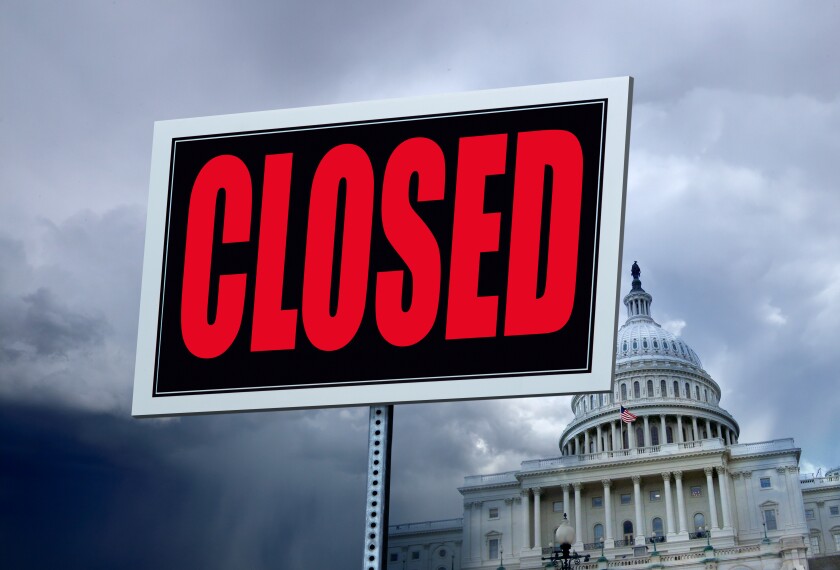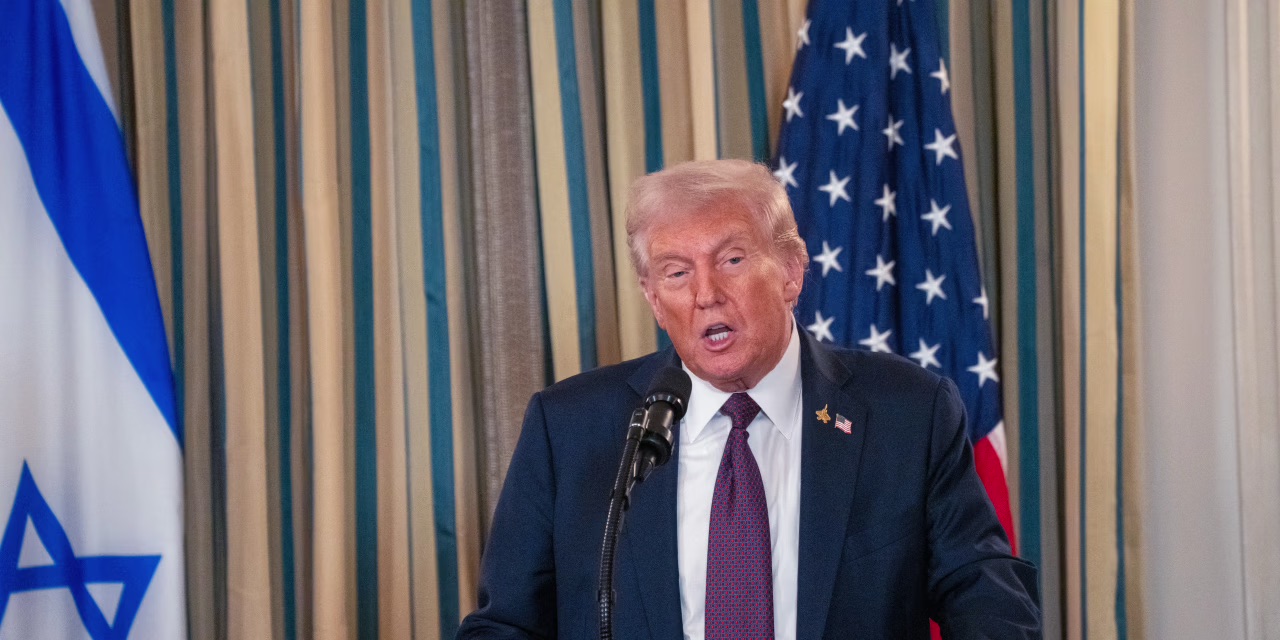
The Supreme Court of the United States has stepped into the funding dispute over Supplemental Nutrition Assistance Program (SNAP) by allowing the Donald Trump administration to pause full SNAP payments for now. With more than 40 million Americans enrolled, this move comes amid a larger stalemate tied to the federal government shutdown and raises questions about food-aid access at a critical moment.
Amid the federal government’s funding lapse, the Trump administration declared it did not have appropriate appropriations to fund full SNAP benefits for November. A coalition of states and nonprofits responded by suing, and a federal judge in Rhode Island ordered the administration to use a separate fund to make full payments. That order would have required tapping a portion of the $23 billion “Section 32” nutrition fund to cover the roughly $8–9 billion monthly cost.
In response, the administration appealed and asked for an immediate stay. Justice Ketanji Brown Jackson granted that stay, giving the U.S. Court of Appeals for the First Circuit time to decide whether to block the judge’s full-payment mandate.
SNAP serves roughly one in eight Americans and provides critical support to low-income households, including families with children, seniors and veterans. The full monthly payment formula is based on household size and income. If full payment is paused, many families may receive partial benefits or face delays, compounding hardship amid cost-of-living pressures and economic uncertainty.
Some states had already begun distributing full benefits after the federal court’s earlier order. With the pause in effect, states now face legal and logistical confusion: some may issue partial payments, while others await further direction.
Legally, the dispute raises fundamental separation-of-powers questions: Can a court order the executive branch to spend money not yet appropriated by Congress? The administration argues that the judge’s directive “makes a mockery of the separation of powers” and warned of “shutdown chaos” if expenditures are shifted without clear legislative backing.
Politically, the battle over SNAP benefits is deeply tied to the ongoing shutdown. With a budget impasse unresolved, other essential services also hang in limbo. The pause in full SNAP payments highlights the ripple effect the shutdown has on programs that millions rely on every day.
The First Circuit is expected to issue its ruling promptly. If the court allows the pause to stand, full SNAP benefits may be delayed or reduced for November. States may attempt to distribute partial payments, but uncertainty remains for millions of recipients.
If the court rules against the administration, the payment order would be reinstated. At that point the dispute would move back to questions of contingency funding, reimbursement mechanisms and how agencies navigate appropriation law in funding crises.
The decision to pause full SNAP payments has immediate human consequences. For households already struggling with food insecurity, reduced or delayed benefits can mean harder choices: skipping meals, cutting medication, or relying more heavily on food banks. In effect, the pause is not just a technical legal matter—it translates into real hardship for families.
Beyond immediate impact, the case sets a precedent for how social support programs function during shutdowns and raises the question of whether basic aid can be vulnerable to funding fights. It underscores that even widely supported entitlements depend on broader budget negotiations and court decisions.
By allowing the Trump administration to pause full SNAP payments, the Supreme Court has opened a moment of uncertainty for millions of Americans. The pause doesn’t resolve the dispute,it simply delays it while the courts weigh in. With the appeals process now in motion, the fate of food-assistance for November hinges on legal, political and fiscal dynamics. Meanwhile, families who rely on SNAP watch and wait at a time when stability matters more than ever.