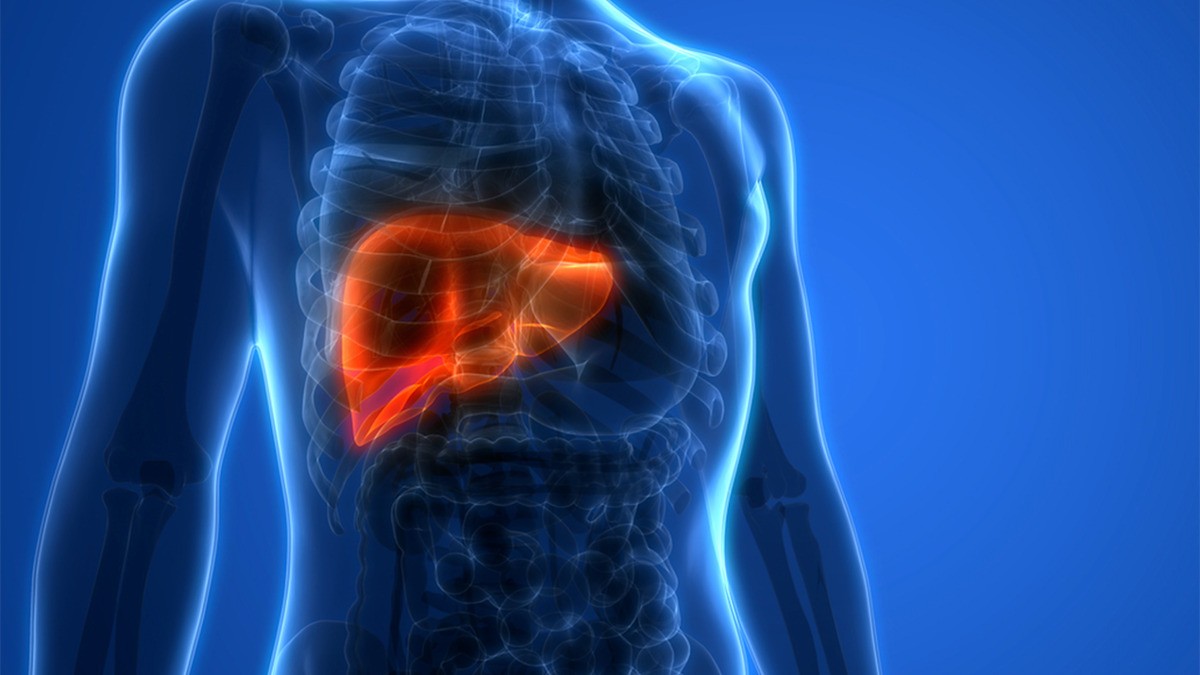
Scientists from the University of California, San Diego have reported promising results for a new drug designed to treat a serious and common liver disease known as metabolic dysfunction‐associated steatohepatitis (MASH), also called nonalcoholic steatohepatitis (NASH).

MASH is a dangerous illness. It often starts quietly, with fat building up in the liver. Over time, fat plus inflammation damage liver tissue, which can lead to cirrhosis, liver failure, or even cancer. It’s especially common in people with obesity or type 2 diabetes.
The experimental drug is called ION224. What makes it special is that it directly blocks an enzyme in the liver called DGAT2, which plays a key role in producing and storing fat. By stopping DGAT2, the drug aims to reduce both fat buildup and inflammation
Researchers tested ION224 in a Phase IIb clinical trial. They enrolled 160 adults who had MASH with early to moderate liver fibrosis. The trial lasted 51 weeks. Participants got monthly injections of either the drug (in various doses) or a placebo.
At the highest dose, about 60% of people treated with ION224 showed significant improvements in liver health compared to those who got the placebo. These improvements happened even when body weight did not change much, which is important, because many treatments rely on weight loss. Also, there were no serious side effects directly linked to the drug.
Scientists say this could be a pivotal advance in fighting MASH because it attacks the disease at its root: fat production and inflammation inside the liver.
The team cautions, however, that more work remains. A larger Phase III trial is needed to confirm safety and effectiveness before the treatment might become widely available.
If all goes well, ION224 may offer new hope for millions of people with fatty liver disease. Early therapy that stops liver damage before it becomes severe could change lives and ease pressure on health care systems.