The geopolitical balance of power is shifting rapidly as Putin and Russia’s allies—including China, India, Iran, and North Korea—present a united front against the West.
This week’s events in China, where Russian President Vladimir Putin stood alongside Xi Jinping, Narendra Modi, Masoud Pezeshkian, and Kim Jong Un, sent a clear signal: Moscow is not isolated.
Instead, it is backed by powerful friends who are reshaping the international order and fueling Russia’s war in Ukraine.
Russia’s War Effort Backed by Powerful Allies
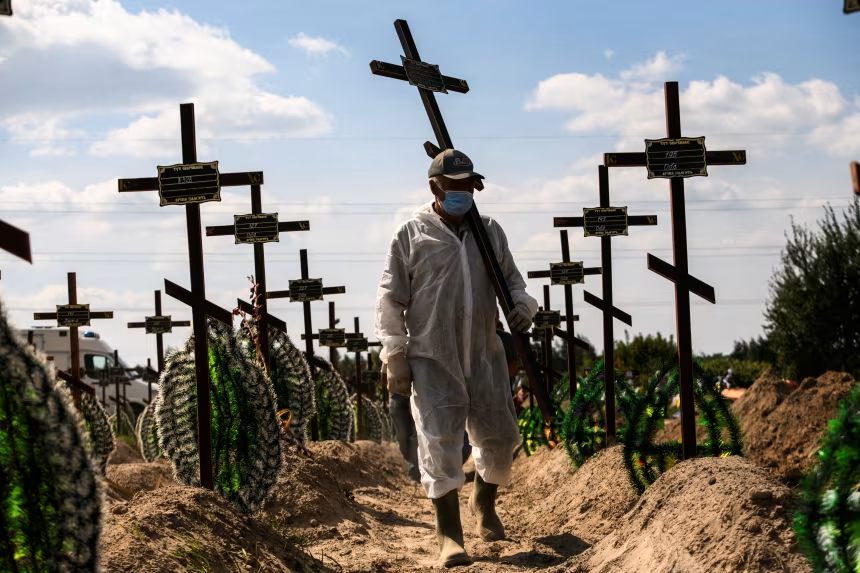
More than three years into the war in Ukraine, Russia’s survival hinges on external support.
China and India provide critical financial lifelines by purchasing discounted Russian oil and coal.
Iran supplies military hardware, including the Shahed drones that changed the battlefield.
North Korea contributes manpower, with the political space to send troops despite heavy casualties.
This combination of money, weapons, and strategic partnerships has allowed Russia to sustain a war effort many expected to collapse under sanctions.
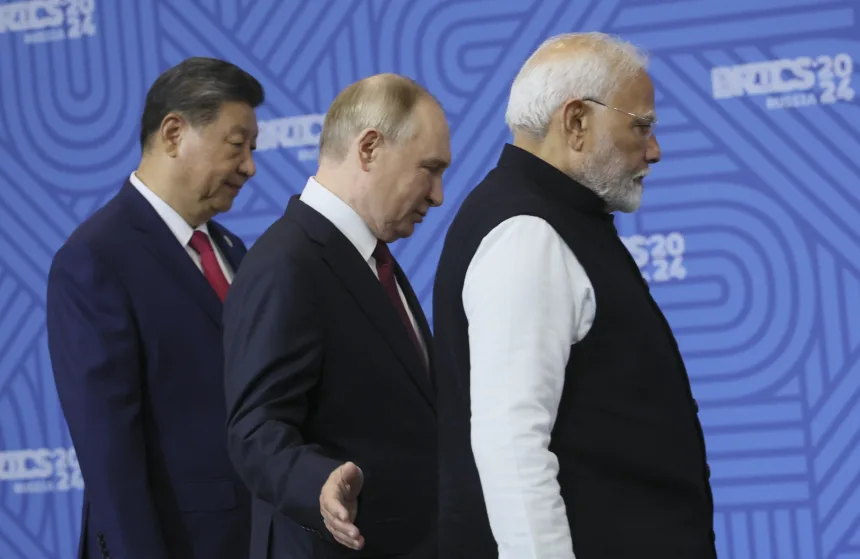
The summit in China went beyond Ukraine. Leaders from Russia, China, India, Iran, and North Korea showcased a shared ambition: to challenge Western dominance.
For Europe and the United States, the message was alarming. The international order established after the Cold War is unraveling, with new power blocs emerging. The West now faces the possibility of a multipolar world where its influence is diminished.
While China and India claim neutrality, their actions tell a different story:
They buy massive quantities of Russian oil, keeping Moscow’s economy afloat.
They supply dual-use technologies, from chips to telecom equipment, that Russia cannot get elsewhere.
Their cooperation reflects both economic interests and a desire to reduce Western influence.
Despite differences, both Beijing and New Delhi see opportunity in Russia’s push for a multipolar global order.
Iran and North Korea: Isolated but Loyal
Unlike China and India, Iran and North Korea stand firmly aligned with Russia for survival reasons.
Iran provided early support by sharing sanctions expertise and delivering crucial drones.
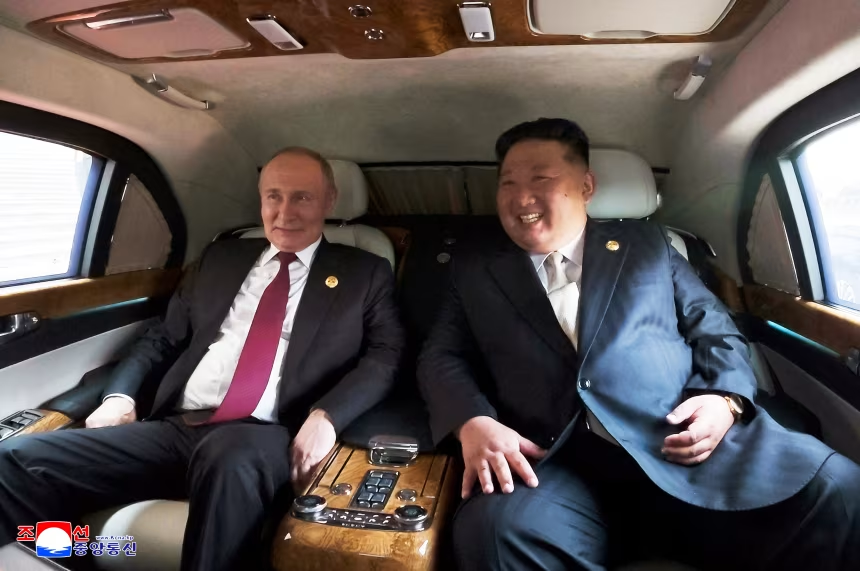
North Korea benefits from transactional deals, offering manpower in exchange for resources and political backing.
Both countries, heavily sanctioned themselves, have little to lose by standing with Moscow.
The show of unity in China forced Europe to reconsider its security future. Once reliant on U.S. protection, Europe now faces:
Rising defense spending, with Germany rewriting its constitution to boost its military.
New NATO members, with Sweden and Finland abandoning neutrality.
A broader rethink of how to handle Russia, China, and their global partners.
These developments mark a historic turning point in European security policy.
A Fragile Alliance of Interests
Despite the warm handshakes and photo ops, the partnerships Putin showcased are rooted in pragmatism, not deep trust. Each ally has its own interests:
China wants cheap energy and influence.
India seeks recognition as a global power.
Iran and North Korea need survival strategies.
This alliance is functional, not emotional. Its strength will depend on whether these shared interests continue to align in the years ahead.
The summit in China symbolized a new world order in the making. While Europe and the U.S. grapple with internal challenges, Putin and Russia’s allies are using economic power, military cooperation, and shared ambition to reshape global geopolitics.
This alliance may not be permanent, but it demonstrates a powerful reality: Western dominance is no longer guaranteed. The coming years will reveal whether this fragile coalition of interests can truly redefine the international stage.