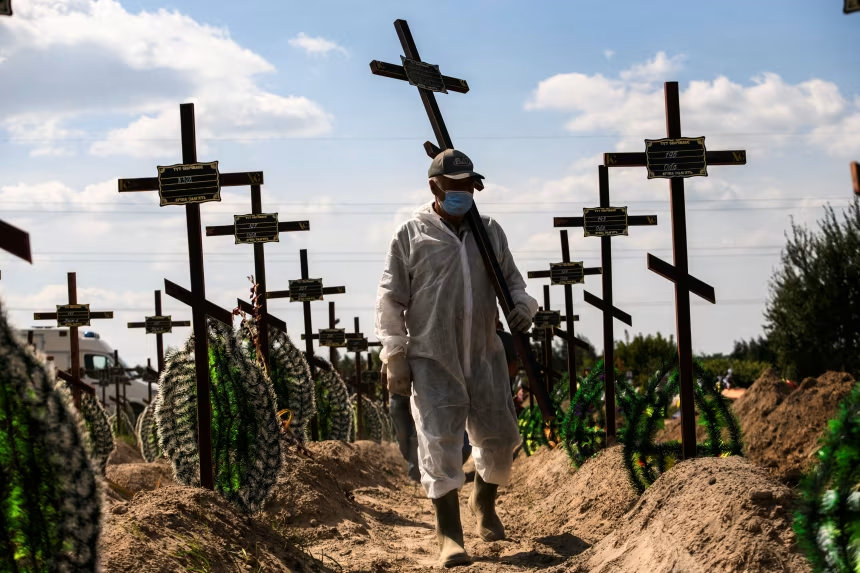
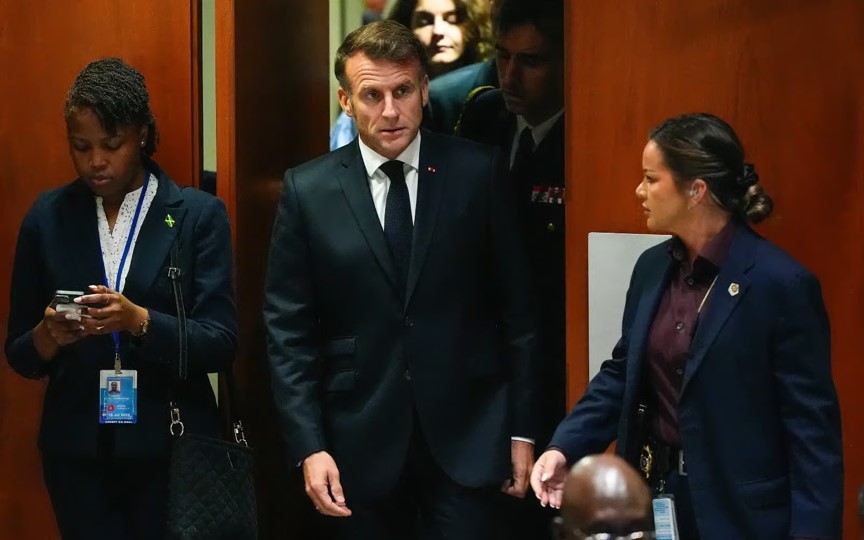
Russian Foreign Minister Sergey Lavrov issued a sharp warning during his address to the United Nations General Assembly on Saturday. He declared that Moscow would deliver a decisive response to the West if provoked, reinforcing Russia’s combative tone amid one of the most strained periods in global relations since the Cold War.
Lavrov accused Western governments of pushing Russia into a corner through sanctions, military support for Ukraine, and what he described as ongoing political hostility. His words underscore the growing tension between Moscow and NATO countries, with the conflict in Ukraine continuing to serve as the epicenter of global division. The warning also adds fresh weight to fears of escalation at a time when diplomacy remains fragile and trust between global powers is at a historic low.
Speaking at the UN General Assembly in New York, Lavrov claimed that Western nations were undermining international stability by supplying weapons to Ukraine and imposing sanctions designed to cripple Russia’s economy. He argued that these policies leave Moscow with no choice but to prepare for strong retaliation.
Lavrov insisted that Russia is not seeking conflict for its own sake but emphasized that the government in Moscow views Western actions as direct threats to its security and sovereignty. His phrase, “a decisive response,” drew particular attention from diplomats and analysts, suggesting that Russia may escalate militarily or politically if it perceives further aggression.
The speech marked another chapter in Russia’s consistent messaging: portraying itself as a nation under siege by hostile powers while framing its actions as defensive rather than aggressive. This rhetoric has been central to the Kremlin’s narrative since the start of the war in Ukraine in February 2022.
UN observers noted the firm tone of Lavrov’s message, which comes at a time when the global body is struggling to mediate solutions in Ukraine, Gaza, and other conflict zones. Several Western representatives walked out during his speech, a symbolic gesture that highlighted the deep divisions within the international community.
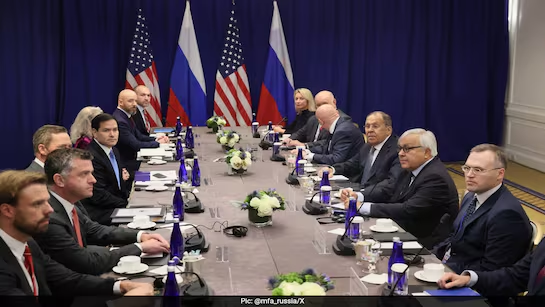

Lavrov’s statement drew mixed reactions worldwide. Western governments dismissed his claims as propaganda designed to justify Russia’s war in Ukraine. The U.S. State Department reiterated that Western nations are acting in defense of international law and Ukraine’s sovereignty, accusing Moscow of attempting to shift blame for its own aggression. European leaders echoed this sentiment, warning that Russia’s threats only serve to deepen mistrust and instability.
Meanwhile, countries in the Global South listened more carefully, with some expressing concern that the hardening rhetoric could derail peace efforts. Nations such as India, Brazil, and South Africa have called for dialogue rather than escalation, highlighting their desire to remain neutral while urging both Russia and the West to avoid dangerous confrontations.
Analysts believe Lavrov’s comments signal Moscow’s intent to maintain pressure on NATO and its allies. By threatening a decisive response to the West, Russia aims to deter further military support for Ukraine and create hesitation among countries that might increase sanctions or send advanced weaponry.
Military experts also note that Russia’s definition of a “decisive response” is intentionally vague, leaving room for both conventional and unconventional forms of retaliation. This ambiguity itself functions as a strategic tool, creating uncertainty in Western capitals about how far Moscow is willing to go.
Economically, Russia remains under heavy sanctions, with its energy exports restricted in European markets and its financial systems cut off from major Western institutions. Yet Moscow has sought to pivot toward Asia, building deeper trade links with China, India, and Middle Eastern partners. Lavrov’s remarks reflect this broader strategy of resisting Western pressure while positioning Russia as a leader of an alternative global order.
The warning by Lavrov that Russia will deliver a decisive response to the West if provoked underscores the deepening divide between Moscow and Western capitals. While some view the statement as posturing intended to discourage additional military aid to Ukraine, others see it as a genuine signal that Russia is prepared to escalate in unpredictable ways.
The speech at the UN General Assembly reflects not only Russia’s frustration with sanctions and isolation but also its determination to reframe the global narrative around the conflict. Whether the West heeds the warning or pushes forward with more aggressive measures, Lavrov’s remarks make one reality clear: the standoff between Russia and the West remains a defining challenge for international peace and security