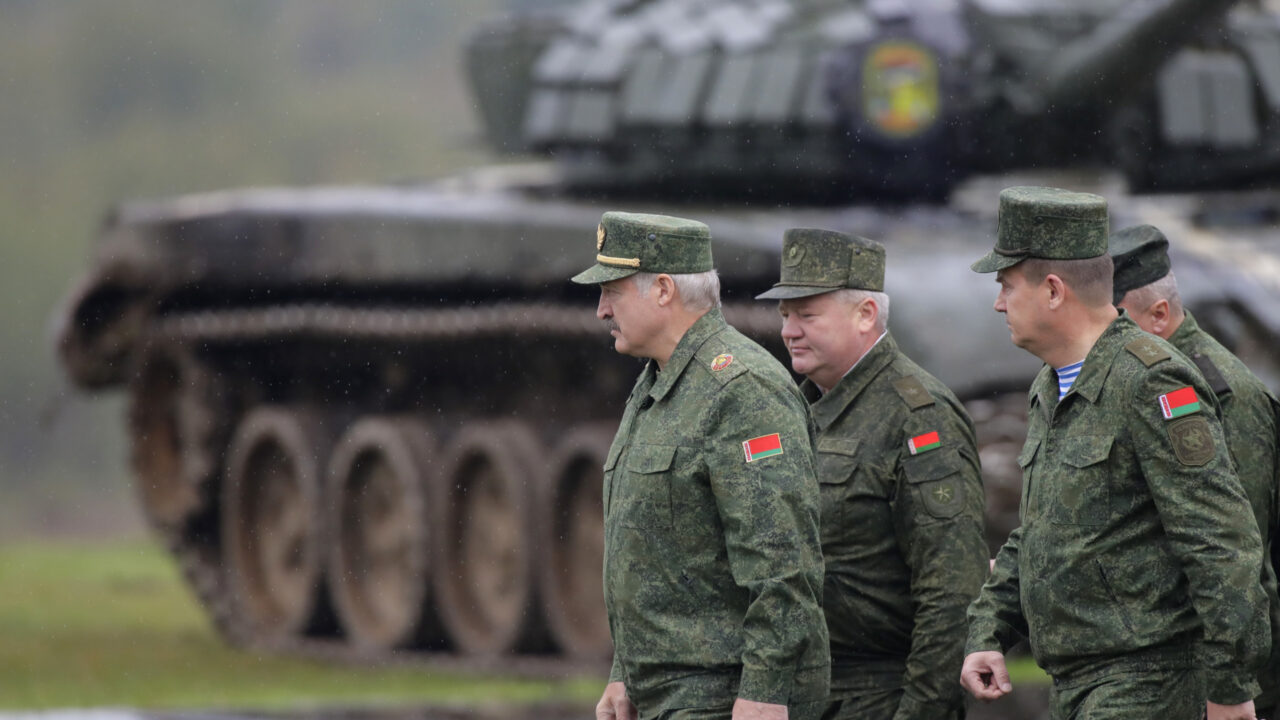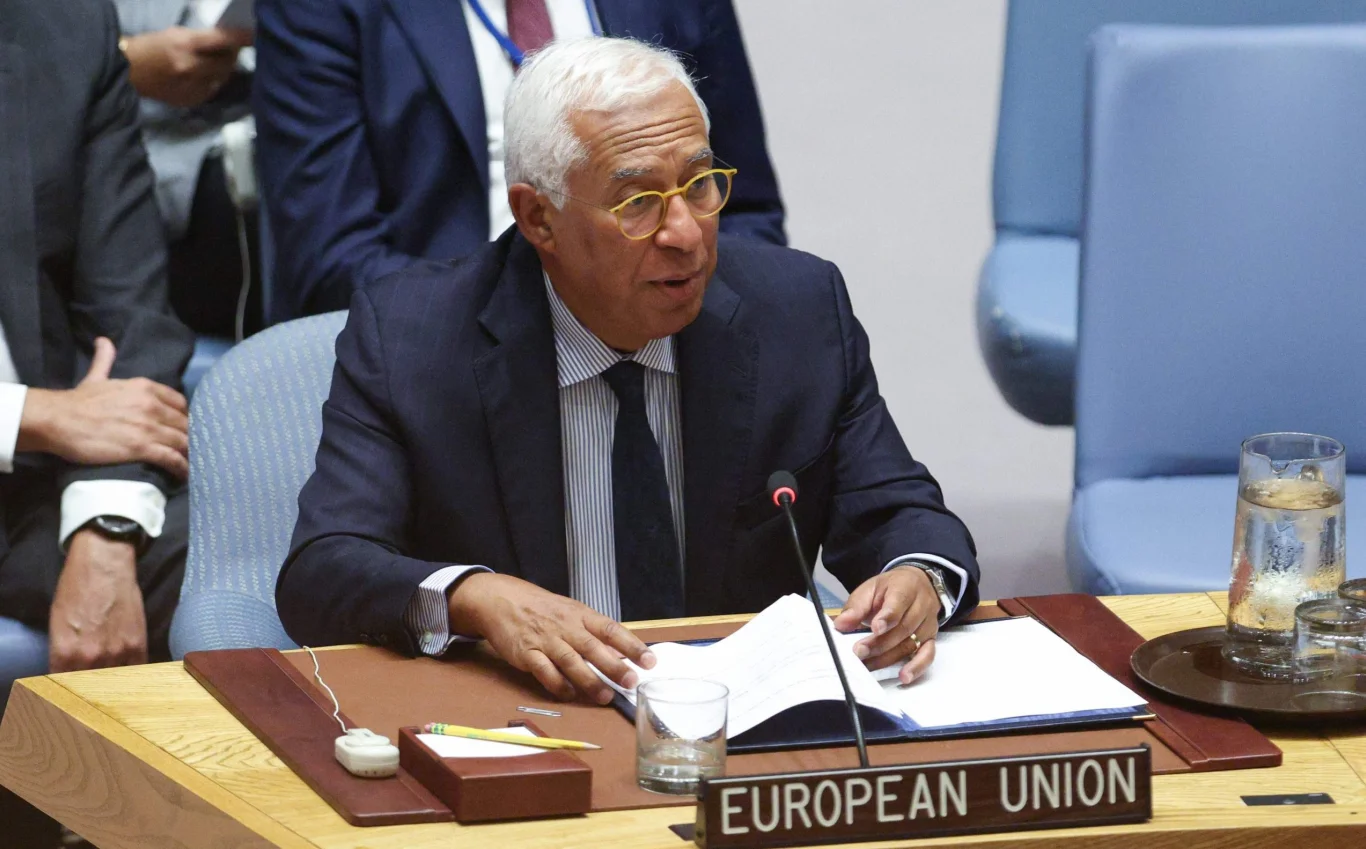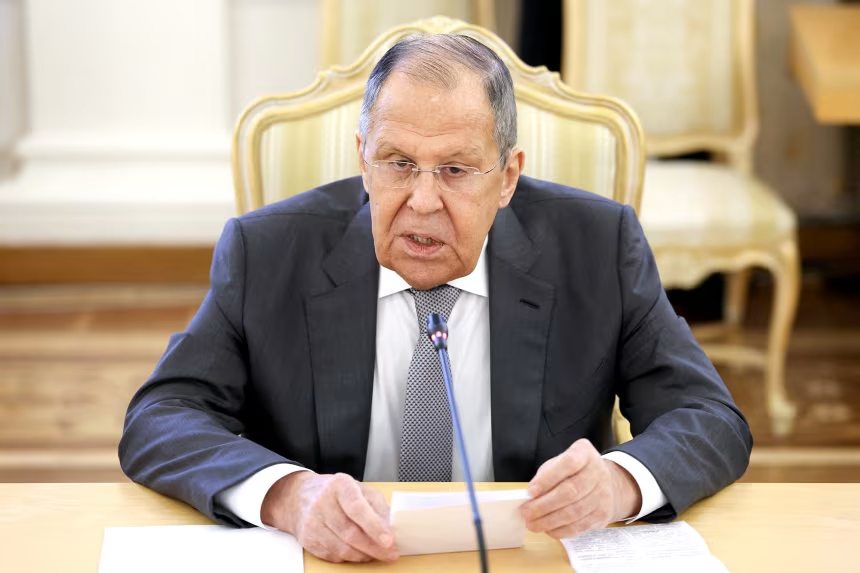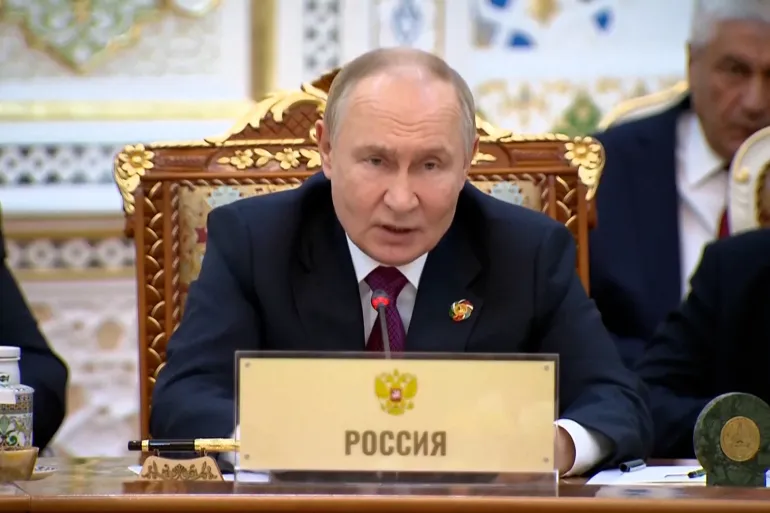
War rarely offers clarity, but a recent leaked document has stirred global attention: it alleges 90,000 troops killed in 2025 among Russian forces. Meanwhile, battlefield reports suggest Russia has made incremental gains. These two threads, heavy losses and territorial advances—could reshape how we understand the conflict this year. This article delves into the leak, compares it with other estimates, examines the advances claimed, and explores its implications.
The claim of 90,000 troops killed in 2025 comes from a leaked military document that was cited in media coverage. The report states that Russia’s losses include about 86,744 confirmed dead, and an additional ~34,000 missing, possibly dead, bringing a total near 90,000. That figure emerges from what’s described as internal Russian casualty tallies now partially exposed.
The same sources suggest that in 2025 alone, Russian forces have recaptured thousands of square kilometers of Ukrainian territory. Russian President Vladimir Putin asserted that Moscow retains the “strategic initiative” and claimed to have captured nearly 5,000 square kilometers of land so far this year. Independent analysts, however, estimate the real figure is closer to 3,400 square kilometers.
It’s important to emphasize: the leaked document is not independently verified. Neither Russia nor Ukraine has acknowledged the full accuracy of the 90,000-death claim. The leak’s publication raises questions about internal dissent, morale, or attempts at managing narratives.
The 90,000 figure, if true, would reflect just a single year’s death toll or at least confirmed deaths. That alone makes it a dramatic claim compared to public estimates so far. Many independent sources estimate Russia’s total war losses (killed, wounded, missing) over the full duration of the war to date are far higher. For example, Ukraine and Western analysts have suggested that total Russian casualties could be in the high hundreds of thousands or more.
Some outlets suggest 220,000 Russian troops may have been killed over the entire conflict thus far, though those figures combine different kinds of casualties and depend heavily on calculations using media reports, statistical modeling, and sometimes incomplete public records.
Given that scale, 90,000 deaths in 2025 alone is plausible in the realm of aggressive estimates, but it remains unverified and possibly inflated by either errors in record-keeping or strategic messaging.
While heavy losses often come hand in hand with stalled or costly gains in war, Russia claims it has made meaningful advances in 2025. Putin said nearly 5,000 square kilometers have been retaken, although independent analysts suggest those claims are likely overstated, placing actual gains closer to 3,400 square kilometers.
The report also asserts Russia has seized multiple localities. But Ukrainian officials counter these assertions, saying Russia’s advances have been limited to smaller settlements rather than major urban centers.
Thus, the situation appears paradoxical: heavy Russian losses paired with claimed advances. In warfare, attrition can sometimes yield gains if one side commits overwhelming force or tactics—but over time, such a strategy may erode capacity and morale.
Leaks are sometimes intentional tools. A leaked high casualty figure could serve internal aims: to emphasize resilience despite losses, prepare public opinion, or influence military leadership. It might also reflect divisions within the Russian war machine, where different factions push competing narratives.
The difference between “killed,” “wounded,” “missing,” and “captured” often causes divergence in numbers. The 90,000 figure might be counting confirmed deaths only
or it could include missing presumed dead. The lack of public methodology makes it hard to compare with more transparent statistics.
Military gains often require committing manpower. If Russia has indeed made advances, those advances likely came at high cost. In conflict, it is not unusual for an army to seize territory but sustain heavy losses in doing so. The reported casualty numbers may reflect offensives in heavily defended zones.
Both Russia and Ukraine tightly control casualty reporting. Russia rarely confirms specific death tolls; Ukraine’s own figures sometimes exclude enemy claims or missing persons. Leaks may partially fill in gaps, but they remain subject to double-checking.
Sustaining 90,000 deaths in one year in addition to wounded and missing would place severe strain on Russia’s military manpower. Replenishing those ranks demands recruitment, conscription, or reliance on foreign fighters. This could degrade training standards, unit cohesion, or reserve depth.
In Russia, where official casualty disclosures are limited, such a leak could erode public confidence. Families of soldiers may demand more transparency or accountability. Dissent or protest risk could rise if large losses become undeniable.
Heavy losses might force Russia to slow offensives or adopt more defensive tactics. A transition from offensive to attritional warfare is possible, particularly if fresh offensives become too costly in personnel.
If Western allies or neutral observers believe the leaked numbers, pressure may grow to support Ukraine more strongly. The narrative of a war of attrition could influence foreign aid decisions, arms supplies, or diplomatic maneuvering.
The article phrase “Russia inches ahead in Ukraine” captures the image of small, persistent gains rather than sweeping victories. That mode of advance is plausible. Russia’s forces seem to be taking incremental ground in key areas, especially in contested eastern zones like Donetsk or Kharkiv.
Advantages could include concentrated firepower, superior logistics in certain sectors, or exploiting weak points in Ukrainian defense lines. Even with heavy casualties, small territorial gains over time can shift frontlines, influence supply corridors, or exert psychological pressure.
The term “inching ahead” also recognizes that advances are often local, temporary, and reversible. Gains in one village may be lost elsewhere.
The 90,000 figure is a leak, not an independently verified statistic. Treat it as a data point, not a definitive fact.
Russian claims of territory gained must be compared to independent assessments, as both sides use exaggeration in warfare.
Casualty counts in war zones rarely align; missing persons, double-counting, and delayed reporting blur real numbers.
The leaked report claiming 90,000 troops killed in 2025 makes a bold statement. If true, it represents one of the fiercest years of Russian casualties in the Ukraine war. Yet it comes alongside claims that Russia is making territorial advances, offering a complex and paradoxical picture.
While the figure is plausible as a high-end estimate, lack of transparent methodology means it cannot be accepted without caution. What seems clear is that Russia is pushing forward in some sectors, even as the human cost mounts.
This moment could mark a turning point where the sustainability of Russia’s campaign faces serious scrutiny. For now, the war’s trajectory hangs in a delicate balance between attrition, incremental gains, and resource constraints.