Russia and Belarus have begun the main phase of Zapad-2025, a joint military drill that alarms NATO allies. The exercise started Friday, just days after Russian drones crossed into Poland and triggered a NATO Article 4 meeting.
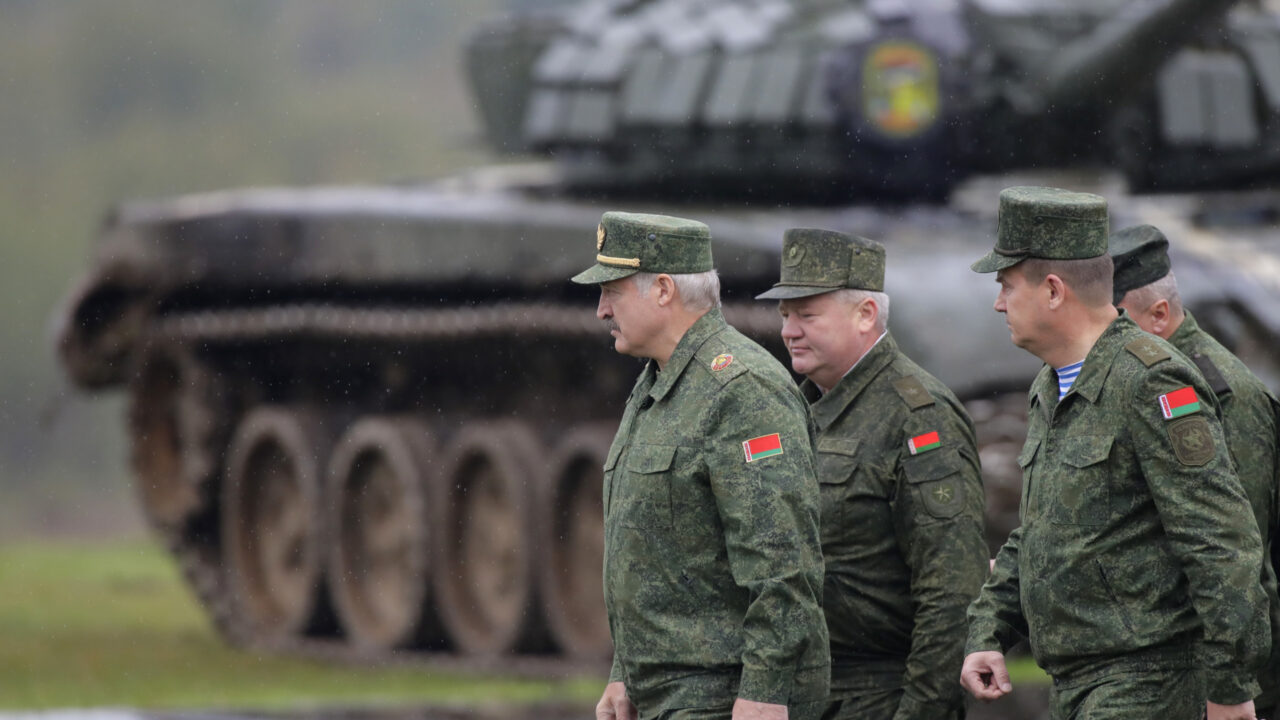
The Russian Defense Ministry calls Zapad a defensive test of the “Union State,” the alliance of Moscow and Minsk. Exercises are happening in Russia, Belarus, and the Baltic and Barents Seas.
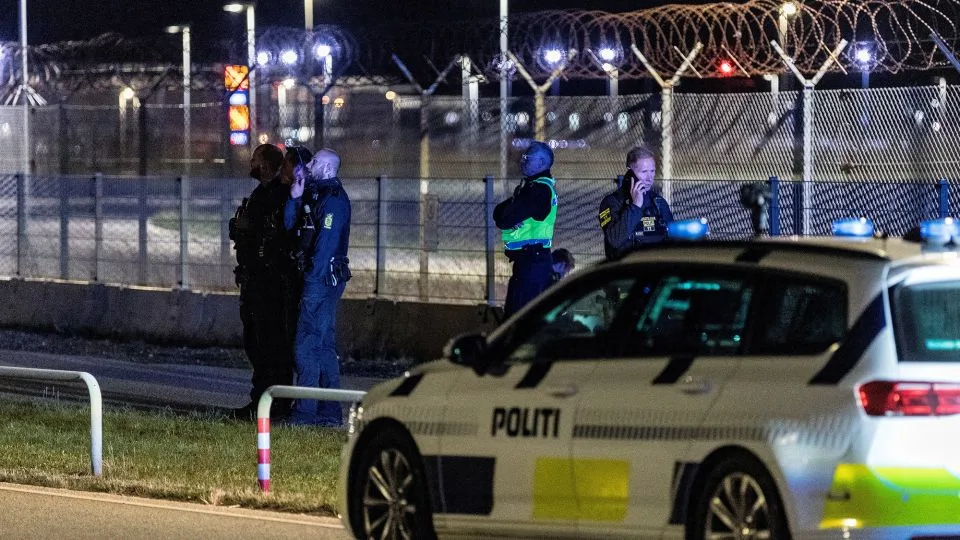
But neighbors remain uneasy. Polish Prime Minister Donald Tusk said many drones that entered Poland came from Belarus. At the border crossing in Terespol-Brest, Poland shut traffic with Belarus and set up barriers.
Interior Minister Marcin Kierwinski linked the closure directly to Zapad. “The Russian and Belarusian armies are practicing aggressive scenarios against our country,” he warned.


Memories of Zapad-2021
Moscow claims Zapad is defensive. Russian spokeswoman Maria Zakharova called Poland’s response “confrontational.” NATO, however, recalls the last Zapad drills in 2021, which covered a buildup before Russia’s invasion of Ukraine.
That exercise mobilized 200,000 troops, hundreds of tanks, and dozens of aircraft. Lithuania now says Zapad-2025 is smaller, with 30,000 troops in total. Only 8,000 are in Belarus, including 2,000 Russians.
The smaller scale reflects Russia’s war in Ukraine. Much of its combat power remains stuck in the Donbas. Still, Poland and its NATO partners see danger in any large Russian drill near their borders.
US President Donald Trump struck a softer tone. He suggested Russia’s drone incursion into Poland “could have been a mistake.” Polish leaders disagreed. “We would also wish it was a mistake,” Tusk said. “But it wasn’t.” Foreign Minister Radoslaw Sikorski was more direct: “No, it wasn’t.”
Belarus Tries a Balancing Act
Belarus, often seen as Russia’s junior partner, has tried to soften tensions. After the drone incident, its generals said they warned Poland and Lithuania. President Alexander Lukashenko also downplayed the risk.
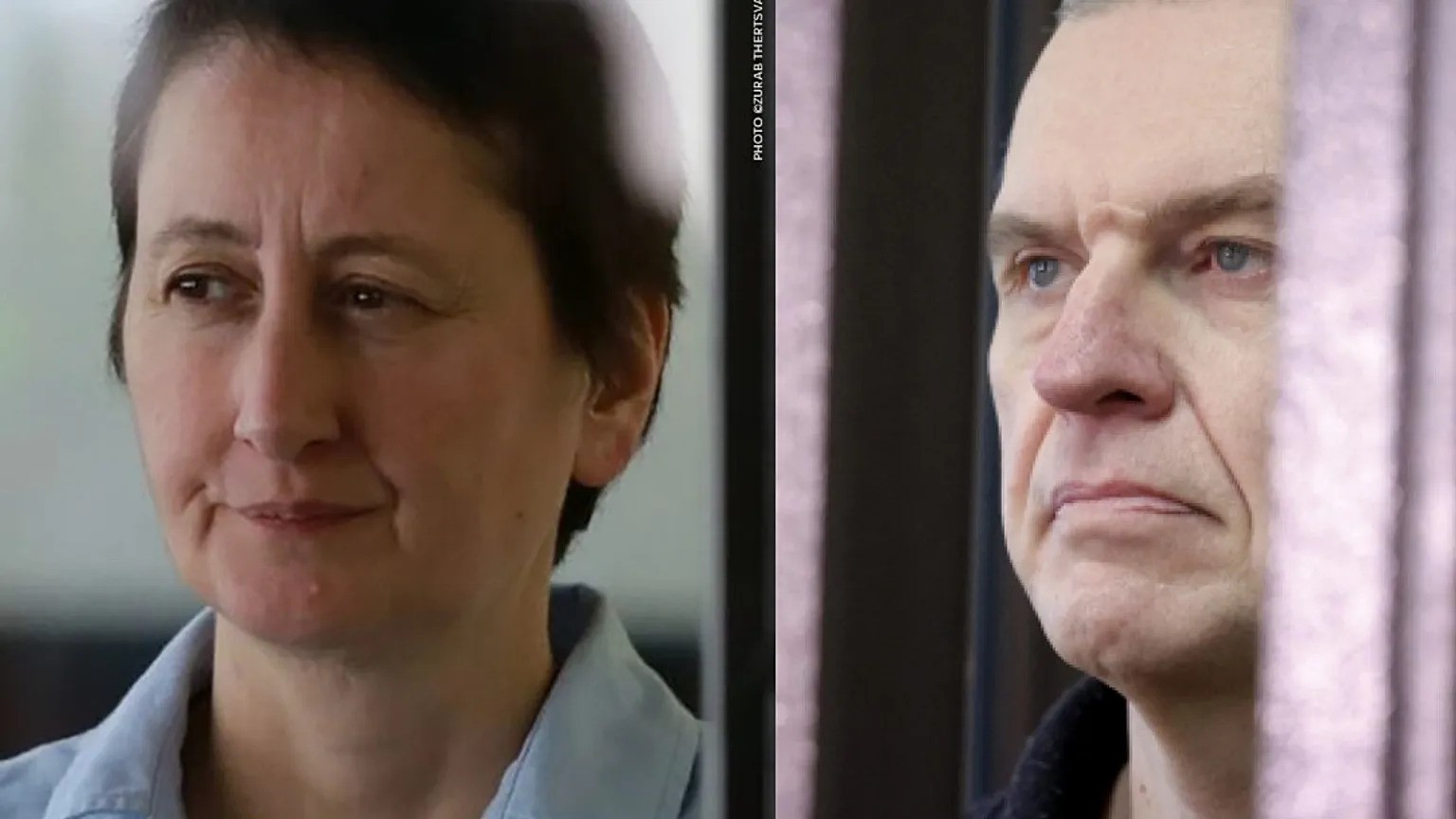
“We don’t want wars or conflicts,” he said. “But if forced, we will react.” On Thursday, Belarus pardoned 52 political prisoners and released them into Lithuania. The move suggested Lukashenko may seek fewer sanctions and more independence from Moscow.
Yet, Belarus remains tied to Russia through Zapad. NATO allies view Lukashenko’s gestures as tactical, not real breaks with Moscow. For them, the Russia-Belarus alliance still looks like a threat on Europe’s eastern edge.
The shadow of 2021 lingers. Then, Zapad served as cover for war. Now, NATO is watching closely, determined not to be caught off guard again.