A reform-minded mayor is preparing to take the reins of New York City at a moment when the nation’s largest police department is experiencing an unusual period of stability, buoyed by falling gun violence and a rare continuity in leadership after years of turmoil.
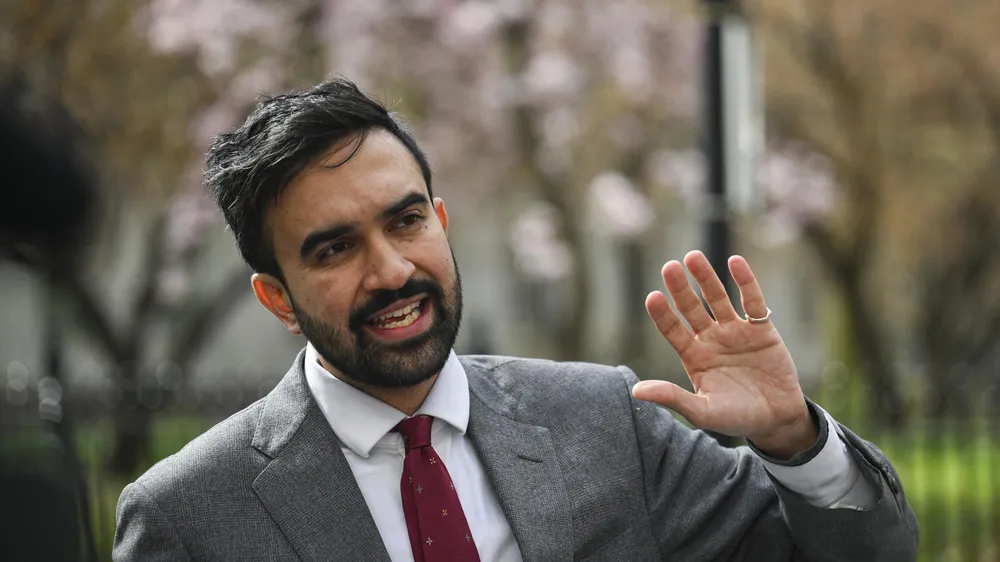
The decision by Mayor-elect Zohran Mamdani to retain New York Police Department Commissioner Jessica Tisch has surprised critics on both the left and the right, but it has also reassured business leaders, law enforcement officials and political insiders who feared another period of upheaval inside the NYPD.
For nearly four years, the department has been rocked by scandals, leadership churn and political infighting under the outgoing Adams administration. Commissioners came and went, senior executives were shuffled or forced out, and investigations into corruption at the highest levels cast a long shadow over rank-and-file officers.
Tisch, who became the fourth police commissioner under Eric Adams, arrived with a mandate to stabilize a department whose credibility and morale had been badly shaken.
Now, as Mamdani prepares to assume office, Tisch’s decision to stay on provides nearly 35,000 uniformed officers with something they have not had in years, sustained leadership at the top.
Since taking over, Tisch has halted questionable promotions and transfers, brought back former NYPD executives with solid reputations, and restructured the department’s command staff to emphasize experience and institutional memory.
Those moves have been credited internally with restoring a sense of professionalism after a period many officers describe as chaotic.
Yet the stability comes with unanswered questions. Major operational tools remain under review, including the future of the Strategic Response Group, a specialized unit deployed for crowd control, protests and major incidents, and the long-criticized gang database, which civil liberties groups argue has disproportionately targeted communities of color.
How those issues are resolved will help define the relationship between the progressive mayor and a police department historically resistant to sweeping reform.
A cautious partnership takes shape
Behind the scenes, Tisch and her leadership team have been briefing Mamdani and his transition staff on the department’s operations, strategies and recent crime trends. Those briefings have focused heavily on the steep drop in shootings and homicides, including in the city’s subway system, which in recent years has been the site of several high-profile murders and assaults that fueled public anxiety.
“I’ve had a number of great conversations, both with the mayor-elect and his team,” Tisch said at a December briefing on subway safety. “What I can tell you is that both the mayor-elect and his team are committed to public safety and are very pleased with the results that they’re seeing, both below ground in the subway and above ground as well.”
Publicly, Mamdani has echoed that sentiment, striking a markedly different tone from his earlier rhetoric as a state lawmaker and activist. Once among the NYPD’s most outspoken critics, Mamdani built his political profile during the 2020 racial justice protests, when he called the department “racist,” “anti-queer,” and “wicked,” and openly supported defunding the police. His decision to keep Tisch, a commissioner not ideologically aligned with him—signals a pragmatic shift as he prepares to govern a city of more than eight million people.
In a statement announcing that Tisch would remain commissioner, Mamdani praised her efforts to root out corruption and reduce violent crime.
“I have admired her work cracking down on corruption in the upper echelons of the police department, driving down crime in New York City, and standing up for New Yorkers in the face of authoritarianism,” he said. He added that both would work together to ensure police resources are focused on serious and violent crime, while building a city where “rank-and-file police officers and the communities they serve alike are safe, represented, and proud to call New York their home.”
One of Mamdani’s signature proposals is the creation of a new Department of Community Safety, a civilian-led agency aimed at addressing homelessness, mental illness and other quality-of-life issues through prevention rather than enforcement.
How that agency would interact with the NYPD and whether it would reduce the department’s footprint in certain areas, remains a source of debate.
Crime trends and the numbers behind them
The political détente comes amid crime statistics that Tisch and her deputies point to as evidence the department is on the right track. As of Christmas Eve, the NYPD had recorded roughly 1,000 fewer shootings than it did four years ago, Tisch noted in a post on X, calling the reduction “unprecedented.”
According to NYPD statistics, as of December 21 there were 674 shooting incidents citywide this year, down nearly 24 percent from 886 during the same period last year. The number of shooting victims also fell sharply, from 1,077 to 841, a decline of almost 22 percent. Police say the first 11 months of the year represent the lowest number of shooting incidents and victims since the department began systematically tracking such data, surpassing previous lows set in 2018.
Homicides have followed a similar trajectory. Through late December, the city recorded 297 homicides, down nearly 21 percent from 375 during the same period the year before. Other major crime categories including robbery, burglary, grand larceny and grand larceny auto—have also declined year over year.
Not all trends are positive. Rape reports are up nearly 16 percent, with 1,999 incidents reported this year compared to 1,728 last year, and felony assault has risen slightly. Police officials caution that changes in reporting practices, public awareness and willingness to come forward can affect those figures, but acknowledge the increases remain a concern.
Precision policing and deployment strategies
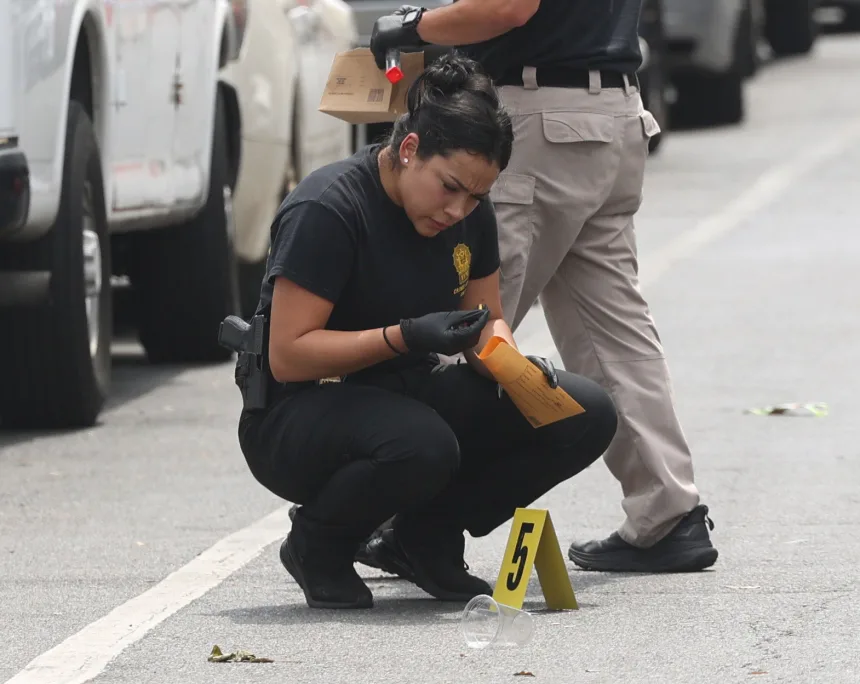
At the operational level, NYPD executives credit a data-driven approach to violence reduction. Chief of Department Michael LiPetri says the department has leaned heavily on sophisticated analytics that identify clusters of violent crime with increasing precision.
“What has really affected our overall violent street crime is a data-mining tool that looks at density-based clustering of violent incidents in New York City,” LiPetri said. The system analyzes where homicides, shootings, assaults and robberies are occurring, allowing different units—such as narcotics and gun violence suppression—to share intelligence and coordinate their responses.
That information drives deployment decisions, particularly on weekends, when violent crime historically spikes. “We now have about 2,000 officers on foot during those days,” LiPetri said, roughly double the number deployed in the past. During the summer, the department’s violence reduction plan sent as many as 2,300 uniformed officers to 72 zones across 59 communities, including public housing developments and transit hubs.
Critics, however, see echoes of “broken windows” policing, the controversial strategy popularized in the 1990s that emphasized strict enforcement of low-level offenses. LiPetri rejects that characterization. “They are there to respond to calls for service from the community,” he said. “When it takes two hours to respond to a call about a large disorderly group drinking and throwing dice, that’s a problem. Now, we’ve done so much better.”
Staffing, morale and the battle for officers
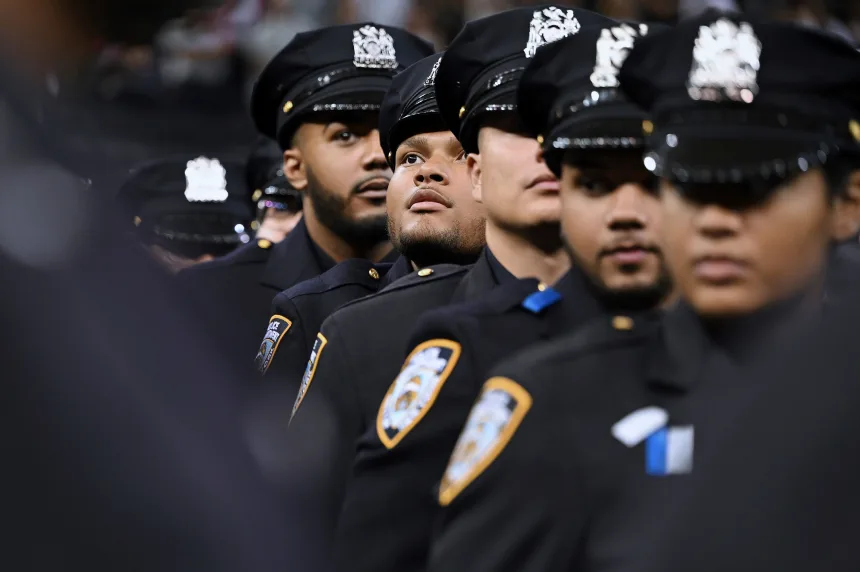
Even as crime declines, the NYPD faces persistent staffing challenges. In 2025, the department hired more than 4,000 new officers, the largest influx in its history bringing total headcount to roughly 34,700.
But the gains have been partially offset by retirements and resignations. According to the Police Benevolent Association, which represents rank-and-file officers, more than 3,400 members have retired or quit over the past 12 months.
That attrition has drawn the attention of law enforcement agencies across the country, some of which are openly trying to recruit NYPD officers by invoking fears about Mamdani’s political views. Police unions and departments from Texas to Florida have circulated recruitment messages portraying New York under Mamdani as hostile territory for law enforcement.
Houston Police Officers’ Union President Douglas Griffith has been among the most vocal. “He called the NYPD racist, anti-queer, corrupt and said he would defund them,” Griffith said of Mamdani. “You don’t want to work for somebody that doesn’t respect you.”
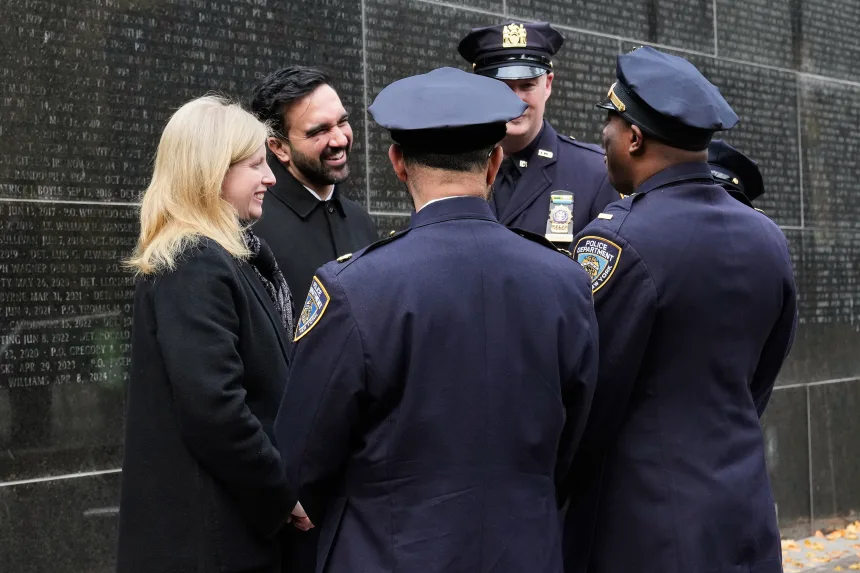
During the campaign, Mamdani distanced himself from his most incendiary past statements, including a 2020 post calling to defund the NYPD. Since winning the election, he has emphasized support for law enforcement and visited the police memorial in lower Manhattan shortly after announcing Tisch would stay.
“If you believe everything he’s posted in his public career, it’s kind of hard to believe defunding the police isn’t going to happen,” Chitwood said. He added that parents of NYPD officers have called him, urging him to talk to their children about leaving New York, though so far few have taken the bait.
Immigration and Customs Enforcement has also made a high-profile effort to recruit NYPD officers, posting messages urging them to “work for a President and a Secretary who support and defend law enforcement.” Mamdani, a vocal critic of ICE, has said he would not allow the NYPD to cooperate with the agency on civil immigration enforcement, further inflaming tensions.
Fear, politics and reform debates
Some experts see the recruitment campaigns as fear-mongering. Kirk Burkhalter, a retired NYPD detective and professor at New York Law School, says departments have always recruited from New York because of the caliber of training officers receive.
“You’re getting a product that’s already proven,” Burkhalter said. He also criticized what he called an undercurrent of Islamophobia in attacks on Mamdani, who would be the city’s first Muslim mayor. “Law enforcement serves the public,” he said. “To imply that an officer can’t do their duty because of who the mayor is only deepens an us-versus-them mentality.”
Within the department, Tisch’s continued leadership has eased some anxieties but not eliminated deeper morale issues. PBA President Patrick Hendry said officers are still wary of oversight bodies like the Civilian Complaint Review Board and the scrutiny that comes with policing in New York.
In December, Tisch reached out directly to rank-and-file officers, asking for feedback on how to modernize the department. Her message promised focus groups and surveys to examine everything “from police work to paperwork,” signaling an effort to involve officers in shaping reforms rather than imposing them from above.
“The commissioner staying has helped, but morale is still not high,” Hendry said. “A lot of decisions officers make about staying or leaving have more to do with quality of life, pay, and the grind of the job than with who the mayor is.”
For Mamdani, the challenge will be balancing reform promises with the realities of governing a city that still demands safety and order.
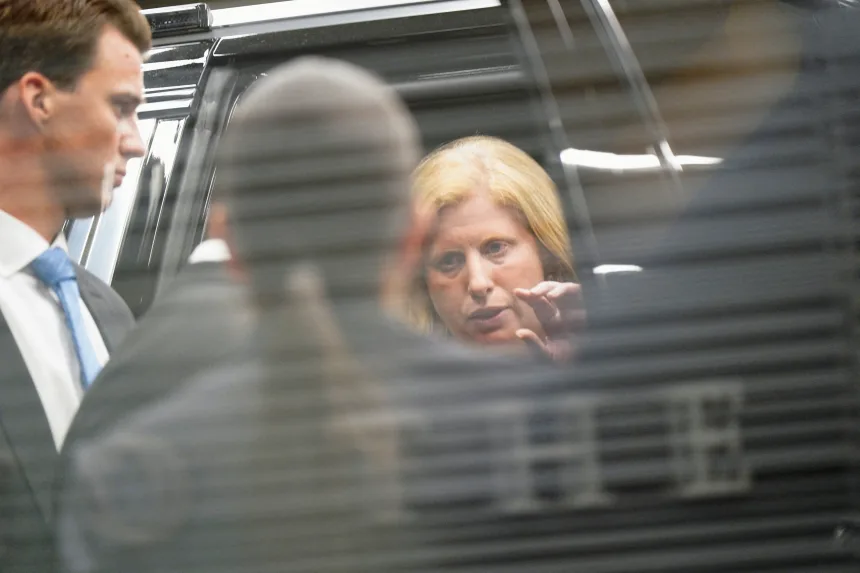
For now, as crime falls and leadership remains steady, the NYPD finds itself in a rare moment of calm, one that both supporters and skeptics are watching closely to see whether it endures.
This article was first published on CNN