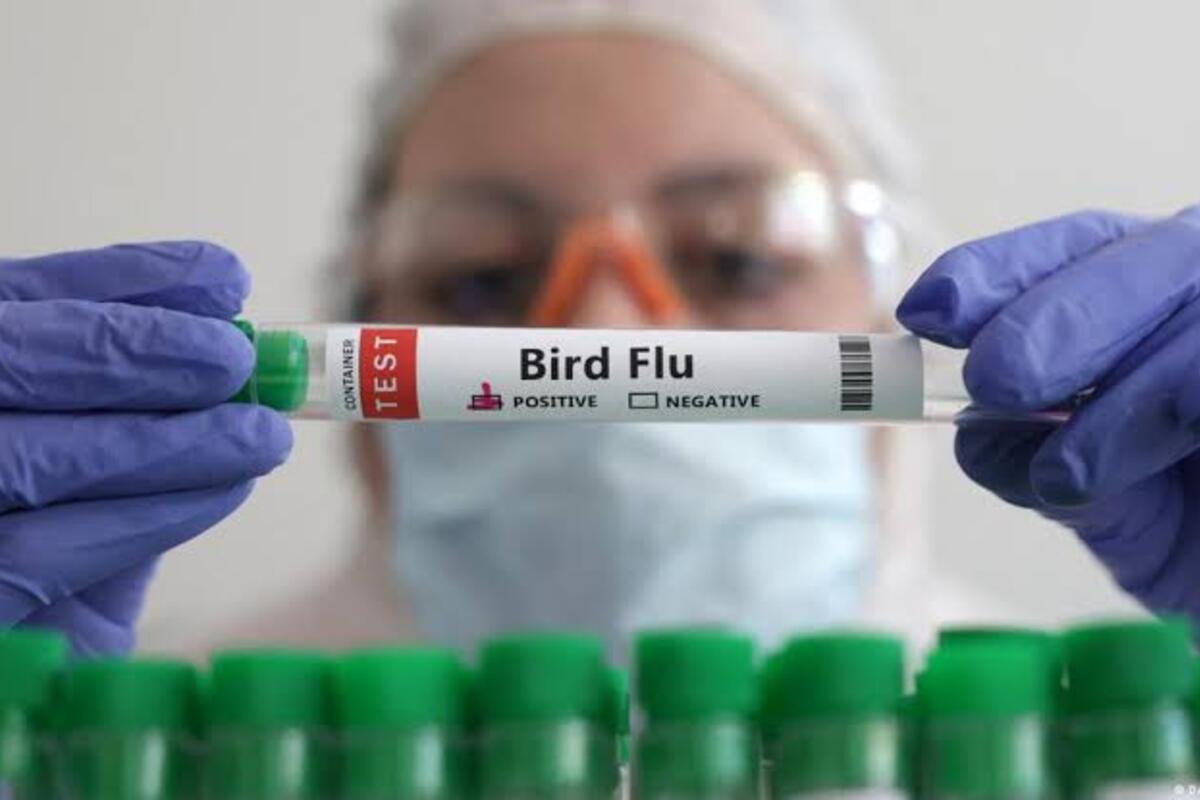
In the United States, getting a flu shot this fall has become relatively easy for people, as they are now readily available at many pharmacies, hospitals, and clinics around the country. The vaccine is the most effective way to get protection against severe illness and death from flu. According to reports, it was estimated that about 1.3 million Americans were hospitalized with the flu in the last flu season, and up to 130,000 people died from the disease. Hence, the reason why getting the flu shot is very important. So, if you are preparing for your flu shot this year, here’s what you need to know about it;

Who is eligible for the flu shot this year?
According to the Centers for Disease Control and Prevention (CDC), it is recommended that everyone older than 6 months get an annual flu shot with rare exceptions. Although changes were made to COVID vaccine eligibility this year, the recommendations don’t apply to flu vaccines. It is expected that the agency’s advisory panel is scheduled to meet in late September to discuss routine vaccines against COVID and other diseases, but not the flu vaccine.
When is the best time to get a flu shot?
Flu cases usually start around October and peak in February, though that varies by year and region. Ideally, it’s wise to get your flu shot sooner rather than later to ensure you’re protected when flu emerges in your community.
According to the CDC, it’s recommended that you get the flu shot even if you haven’t gotten one by the end of October. It’s worthwhile to know that flu circulates in most places until April, and it’s helpful to be protected through the winter and early spring.
Are there side effects associated with the flu vaccine?
According to medical experts, flu vaccines are very safe. They have been given millions of times over the past decades, and the most common side effects are local soreness or a little redness for about 24 hours, which is temporary. If you have experienced significant allergic reactions in the past, you should talk to a health care provider before getting the shot. Otherwise, the vaccine is relatively safe for everyone who gets the shot.