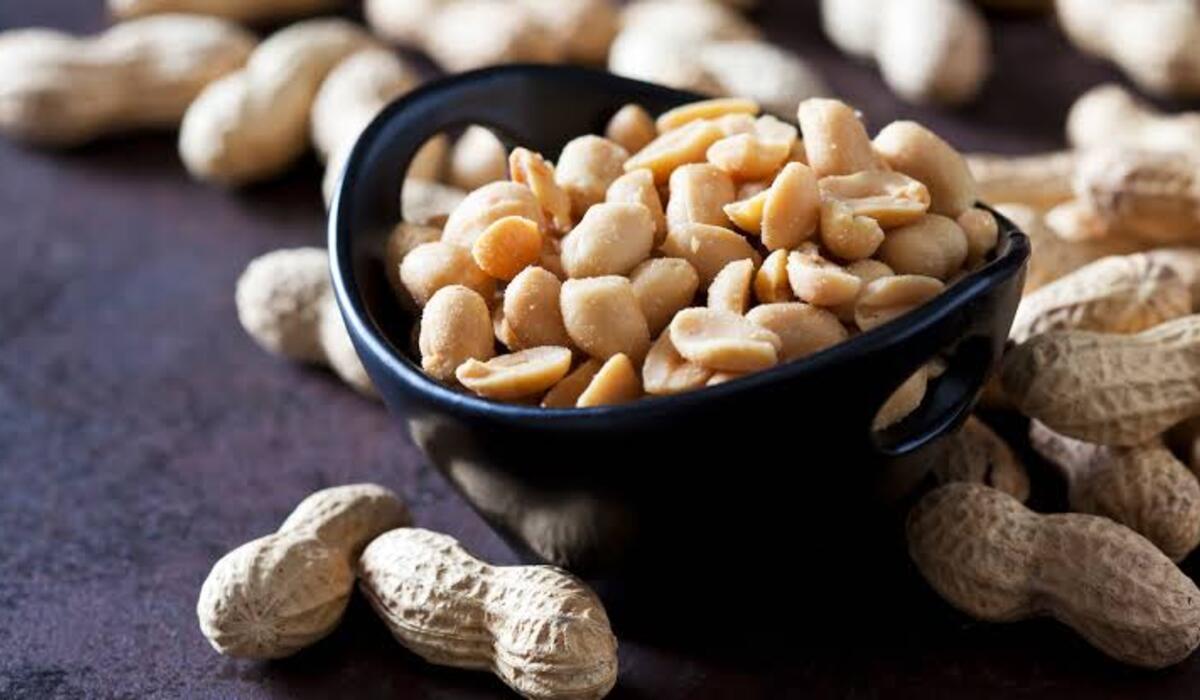
A new study has found that food allergies in children have dropped significantly in the past few years after new guidelines encouraged parents to introduce infants to peanuts.
Over the decades, food allergies have been a major challenge soaring high in some regions. Due to that, experts recommended that parents avoid exposing their infants to common allergens. However, a randomized trial conducted in 2015 found that feeding peanuts to babies could reduce their chances of developing an allergy by over 80%.

In response to these findings, many food allergy guidelines now recommend introducing allergenic foods, like peanuts, early in infancy to help prevent allergies.
According to the new study published in the journal Pediatrics, the researchers found that food allergy rates in children under 3 years fell after those guidelines were put into place. Based on statistics, they dropped to 0.93% between 2017 and 2020, from 1.46% between 2012 and 2015. That amounts to a total of 36% reduction in all food allergies, driven largely by a 43% drop in peanut allergies.
The study also revealed that eggs overtook peanuts as the leading food allergen in young children. However, the study did not examine what infants ate, so it does not prove that the guidelines caused the decline.
In a statement made by Dr. Edith Bracho-Sanchez, a pediatrician at Columbia University Irving Medical Center in New York, who was not involved with the study, she affirmed that the results derived from the study is a real world data of how a public health recommendation can change children’s health.
While most scientists don’t fully understand what causes food allergies, some believe that higher rates of C-section deliveries, early childhood exposure to antibiotics and our increasingly sanitized environments may play an integral role.
However, scientists have clear idea of how allergies might develop. Allergens first encountered through the skin, especially broken or inflamed skin, can prompt the immune system to mistake them for threats. But when food allergens are introduced through the gut, it can build tolerance.